Traveling to Bali is an unforgettable experience, offering breathtaking beaches, rich cultural traditions, and a diverse culinary scene that attracts visitors from around the world. From scenic coastlines to vibrant local markets, the island provides countless memorable moments for travelers seeking both relaxation and adventure.
However, alongside these highlights, many visitors experience an unfortunate condition known as Bali Belly, a common term for traveler’s diarrhea caused by unfamiliar bacteria in food or water. If you’re planning your trip or already dealing with symptoms, one key concern often arises: how long does Bali belly last?

How Long Does Bali Belly Last?
The duration of Bali Belly can vary depending on the severity of the infection and how quickly treatment begins.
Typical Duration
- Mild cases: 1–3 days
- Moderate cases: 3–5 days
- Severe cases: 5–10 days or longer
Most travelers recover within 2 to 5 days, especially if they stay hydrated and rest. However, without proper care, symptoms can persist and even worsen.
Factors That Affect Recovery Time
Here’s a clearer, more detailed explanation for each factor:
The type of pathogen (bacteria, virus, or parasite)
The cause of the infection plays a major role in how long symptoms last. Bacterial infections are the most common and usually resolve within a few days, while viral infections may pass quickly but feel intense. Parasitic infections tend to last longer and often require specific medication to fully recover.
Your immune system strength
A strong immune system can fight off infections more efficiently, leading to a shorter duration of illness. Travelers who are fatigued, stressed, or have underlying health conditions may experience longer and more severe symptoms.
Hydration levels
Staying well-hydrated is essential for recovery. Dehydration can worsen symptoms like fatigue, dizziness, and weakness, and may prolong the illness. Proper fluid intake helps your body flush out toxins and supports faster healing.
Speed of treatment
Early intervention can significantly reduce how long Bali Belly lasts. Taking oral rehydration solutions, adjusting your diet, or seeking medical care quickly can prevent the condition from becoming more severe or prolonged.
Diet during illness
What you eat while recovering has a direct impact on your digestive system. Consuming bland, easy-to-digest foods helps soothe the gut, while spicy, fatty, or heavy foods can irritate it further and delay recovery.
If symptoms last longer than a week or continue to worsen over time, it is strongly recommended to seek medical attention to avoid complications and ensure proper treatment.
If symptoms last longer than a week or worsen over time, medical attention is strongly recommended.
Common Symptoms of Bali Belly
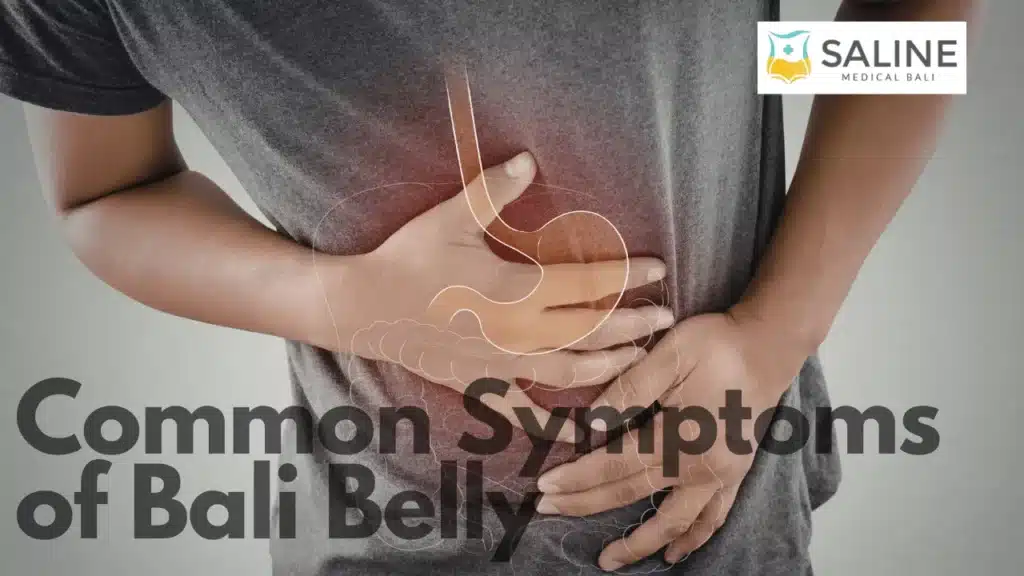
Recognizing the symptoms early can help you manage the condition effectively. Typical symptoms include:
- Frequent diarrhea (often watery)
- Abdominal cramps and bloating
- Nausea and vomiting
- Fever
- Fatigue and weakness
- Dehydration
In more severe cases, symptoms may include:
- Blood in stool
- Persistent vomiting
- High fever
These signs indicate that you should seek medical help immediately.
What Is Bali Belly?

Bali Belly is not an official medical diagnosis but a widely used term to describe traveler’s diarrhea, a digestive condition often caused by consuming contaminated food or water. The illness is most commonly associated with bacteria such as E. coli, which can enter the body through improperly handled meals, undercooked dishes, or unsafe drinking water. In some cases, viruses or parasites may also be responsible, which can lead to more persistent or severe symptoms that require specific treatment.
Travelers are especially susceptible because their bodies are not used to the local microorganisms found in a new environment. Even small exposures can trigger symptoms, including something as seemingly harmless as ice cubes made from unfiltered water, raw vegetables that have not been properly washed, or food prepared without strict hygiene practices. Since the digestive system has not built up resistance to these bacteria, it reacts quickly, making prevention and awareness essential when visiting destinations like Bali.
What Causes Bali Belly?

Bali Belly is primarily caused by ingesting harmful microorganisms. The most common sources include:
Contaminated Food
Food contamination is one of the most common causes of Bali Belly, especially when meals are prepared in environments with inconsistent hygiene standards. Street food, while often delicious and authentic, can sometimes be exposed to bacteria through improper storage, undercooking, or cross-contamination between raw and cooked ingredients. Even in restaurants, food that has been left out too long or handled without proper sanitation can increase the risk of infection.
Unsafe Drinking Water
Tap water in Bali is generally not considered safe for direct consumption due to the presence of microorganisms that may not affect locals but can cause illness in travelers. Using tap water for drinking, brushing teeth, or even rinsing your mouth can introduce harmful bacteria into your system. This is why bottled or properly filtered water is strongly recommended at all times.
Ice Cubes
Ice cubes are often overlooked as a source of contamination. If they are made from untreated or tap water, they can carry the same bacteria that cause digestive issues. While many established restaurants use filtered ice, smaller vendors or less regulated establishments may not, making it important to be cautious when ordering drinks with ice.
Poor Hygiene Practices
Hygiene plays a critical role in preventing the spread of bacteria. Unwashed hands, dirty utensils, or contaminated surfaces can easily transfer harmful microorganisms to food and drinks. This risk increases in busy environments where proper handwashing or sanitation may be overlooked. Simple habits like washing hands regularly or using hand sanitizer can significantly reduce the chance of infection.
Advanced Treatment: IV Drip Therapy for Bali Belly

For moderate to severe cases of Bali Belly, especially when dehydration becomes serious, IV (intravenous) therapy can be a very effective treatment option. Instead of relying on drinking fluids, which can be difficult when you feel nauseous or keep vomiting, IV therapy helps your body recover more quickly and comfortably.
What Is IV Drip Therapy?
IV drip therapy is a medical treatment that delivers fluids, electrolytes, and medications directly into your bloodstream through a vein. Because it bypasses the digestive system, your body can absorb everything immediately. This means you get hydrated faster, nutrients are delivered more efficiently, and symptoms such as weakness or dizziness can improve more quickly.
Benefits of IV Therapy for Bali Belly
Rapid rehydration
IV fluids quickly replace the water your body has lost due to diarrhea and vomiting, helping you feel better sooner.
Restoration of electrolyte balance
Important minerals like sodium and potassium are replenished, which helps your body function normally again and prevents complications.
Reduced nausea and vomiting
Medications included in the IV can help calm your stomach, making it easier for you to rest and recover.
Improved energy levels
With proper hydration and nutrients restored, your energy levels can increase significantly, reducing fatigue and weakness.
Faster overall recovery
Because your body gets what it needs quickly, the healing process is often much faster compared to relying on oral intake alone.
This type of treatment is especially helpful for travelers who are unable to keep fluids down or who want to recover quickly so they can continue enjoying their trip.
IV Drip for Travel Diarrhea and Food Intolerance

IV therapy is not only helpful for Bali Belly, but also works well for other digestive problems that travelers often experience. This includes general traveler’s diarrhea, reactions to certain foods, and cases where frequent vomiting leads to serious dehydration. When your body loses too much fluid and nutrients, IV treatment can help restore balance quickly.
Most IV drips are specially formulated to support recovery and ease symptoms. They usually contain electrolytes to rehydrate the body, anti-nausea medication to calm the stomach, and vitamins like Vitamin C and B complex to boost energy and immunity. Some treatments also include zinc, which helps strengthen the immune system. Together, these ingredients help address the root cause of the problem and speed up the healing process.
Bali Belly Care at Saline Clinic Bali
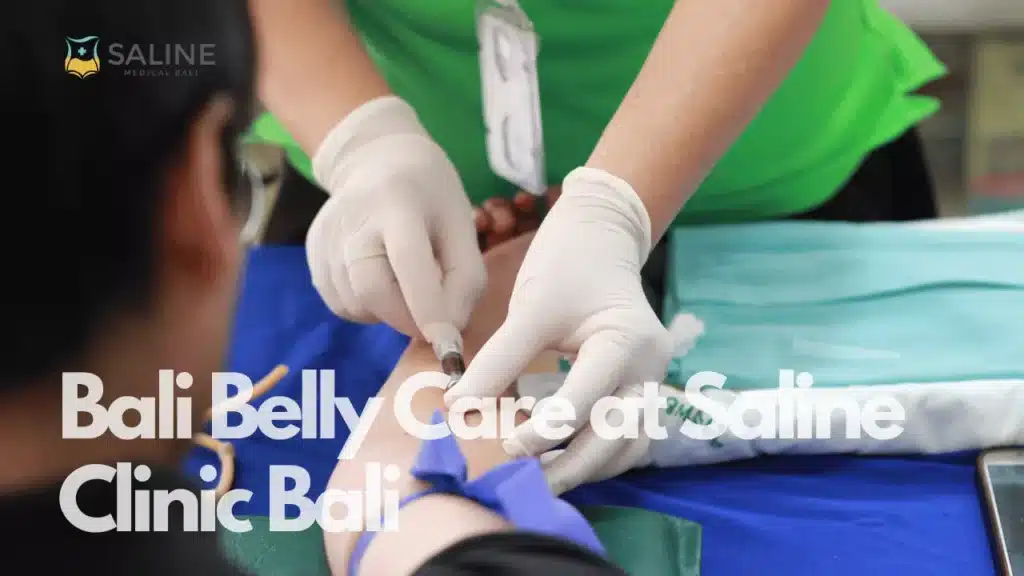
If you are in Bali and need professional care, one trusted option is Saline Clinic Bali. The clinic provides specialized IV treatments designed specifically for Bali Belly, helping patients recover quickly and safely with medical support.
Why Choose Saline Clinic Bali?
Saline Clinic offers Bali Belly Care IV treatments that focus on fast and effective recovery. These treatments help rehydrate your body, restore lost nutrients, and relieve symptoms such as nausea, and dehydration. The goal is to help you feel better as quickly as possible so you can get back to enjoying your trip.
With on-demand service, you can receive treatment directly at your hotel, villa, or residence, making the entire process highly convenient. All treatments are handled by a professional medical team with experience in managing travel-related illnesses, ensuring safe and reliable care. Each IV drip is tailored to your specific condition, so you receive the right combination of nutrients and medications. Most importantly, you can rest and recover comfortably without needing to travel while feeling unwell.
This level of care is especially helpful for travelers who prefer to recover without leaving their accommodation.
How Long Does Recovery Take With IV Therapy?
One of the biggest advantages of IV therapy is how quickly it works, with many patients starting to feel improvement within just a few hours after treatment. In many cases, significant recovery can be seen within 24 hours, and the overall duration of illness may be shortened to around 1 to 3 days. While results can vary depending on the individual and severity of symptoms, IV therapy is widely known to help reduce both the length and intensity of Bali Belly.
Recommended Treatment Option in Bali
If you’re experiencing symptoms and want a fast and reliable recovery, Saline Clinic Bali is a highly recommended option. The clinic is known for providing professional care tailored to travelers, especially those dealing with Bali Belly and other digestive issues. With a focus on quick response and effective treatment, patients can receive medical attention without the stress of visiting a clinic while feeling unwell.
Their Bali Belly Care IV service is specifically designed to help restore hydration, replenish essential nutrients, and relieve symptoms efficiently. One of the biggest advantages is the mobile service, where medical professionals come directly to your hotel or villa, allowing you to recover in comfort. This convenience, combined with targeted IV therapy, makes it one of the most practical and effective solutions for managing Bali Belly during your vacation.
Tips to Prevent Bali Belly
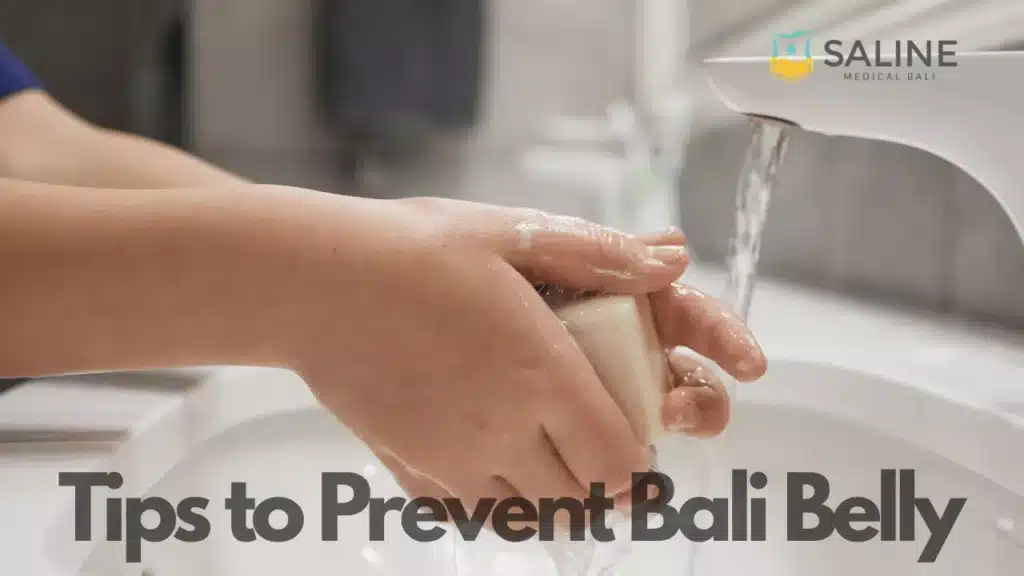
Prevention is always better than cure. Here are practical tips to reduce your risk:
1. Drink Bottled Water Only
Always choose bottled water and check that the seal is intact before opening it. This ensures the water has not been tampered with or refilled from unsafe sources. Using bottled water for brushing your teeth is also a safer option.
2. Avoid Ice in Drinks
Ice may look harmless, but it can be made from untreated tap water. Unless you are certain the ice comes from filtered or purified water, it is best to skip it. This simple precaution can significantly reduce your risk of infection.
3. Eat at Reputable Restaurants
Choose restaurants that appear clean, busy, and well-reviewed, as high turnover usually means fresher food. Establishments with good hygiene standards are more likely to follow safe food handling practices. This reduces the chance of consuming contaminated meals.
4. Wash Hands Frequently
Regular handwashing helps prevent bacteria from entering your body, especially before eating. If soap and water are not available, use hand sanitizer as an alternative. Keeping your hands clean is one of the easiest and most effective ways to stay healthy.
5. Avoid Raw or Unwashed Produce
Raw vegetables and fruits can carry bacteria if they are not properly washed with clean water. It is safer to eat fruits that you can peel yourself, such as bananas or oranges. Avoid salads or uncooked dishes unless you trust the source.
6. Be Careful With Street Food
Street food can be delicious, but hygiene standards may vary between vendors. Choose stalls that cook food fresh in front of you and have a high customer turnover. This increases the likelihood that the food is freshly prepared and safer to eat.
Bali Belly is a common but manageable condition that most travelers may experience at some point during their trip. By understanding how long Bali Belly lasts, recognizing the symptoms early, and taking the right steps for treatment and prevention, you can recover more quickly and avoid complications. Whether through proper hydration, mindful eating habits, or advanced treatments like IV therapy when needed, being prepared allows you to handle the situation with confidence and get back to enjoying your time in Bali.
FAQ

How long does Bali Belly usually last?
Bali Belly typically lasts between 1 to 5 days in most cases. Mild symptoms may resolve within 24–48 hours, while more severe cases can take up to a week or longer if not treated properly.
Can Bali Belly go away on its own?
Yes, many mild cases resolve on their own with proper rest and hydration. However, if symptoms persist or worsen, medical treatment may be necessary to prevent complications.
When should I see a doctor for Bali Belly?
You should seek medical help if symptoms last more than 5–7 days, or if you experience severe dehydration, high fever, or blood in your stool. Early treatment can help speed up recovery and avoid serious issues.
Does IV therapy help Bali Belly recovery?
Yes, IV therapy can significantly speed up recovery by rehydrating your body and restoring essential nutrients. It is especially helpful for moderate to severe cases or when you cannot keep fluids down.
How can I prevent Bali Belly while traveling?
You can reduce your risk by drinking bottled water, avoiding ice, eating at reputable places, and maintaining good hygiene. Being cautious with food and water is the best way to prevent infection.