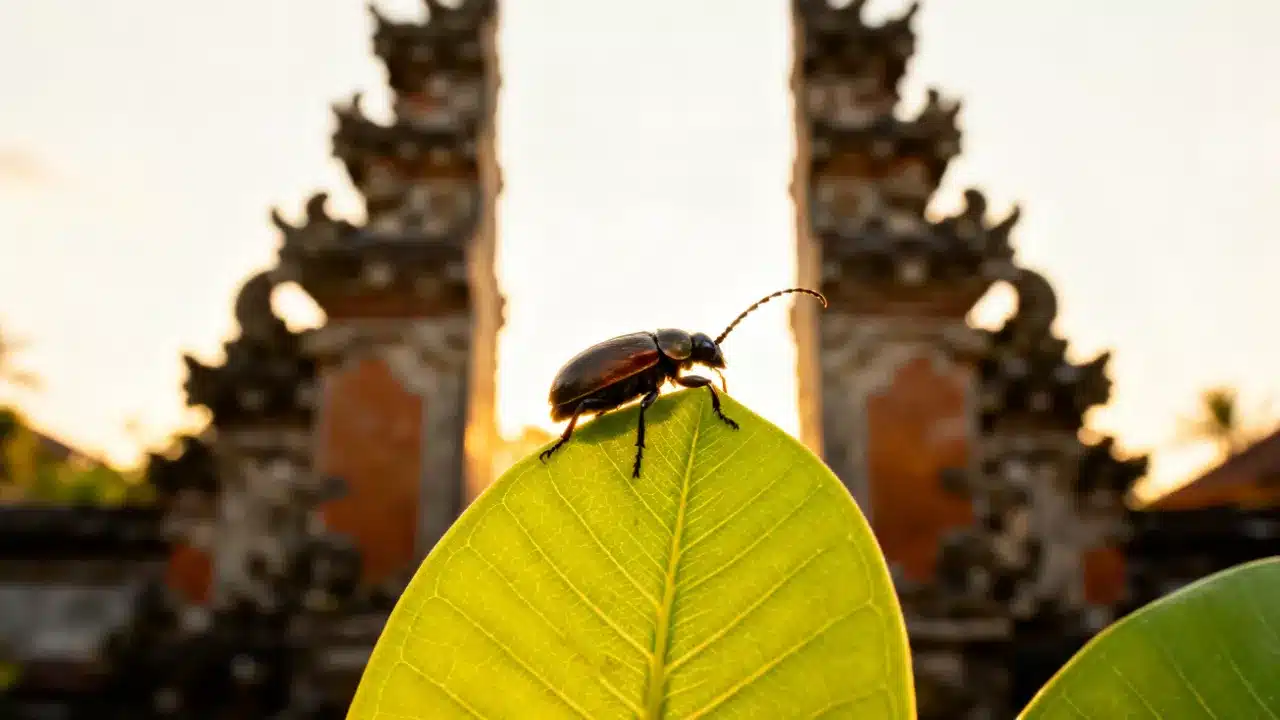
Bali is one of the world’s most popular tropical destinations, attracting millions of travelers each year with its beaches, lush rice fields, and vibrant culture. However, like many tropical regions, Bali is also home to various insects and bugs that thrive in warm and humid environments. Many visitors casually refer to these as the “Bali bug.” While some insects are harmless, others can cause skin irritation or transmit diseases that require medical attention.
Understanding the most common Bali bug risks can help travelers stay safe and enjoy their stay without unnecessary health concerns. Among these insects are the Tomcat (rove beetle), disease-carrying mosquitoes such as Aedes aegypti, and other tropical pests that can trigger allergic reactions or infections. One of the most significant health concerns linked to insects in Bali is dengue fever, a mosquito-borne disease that continues to affect many regions of Indonesia.
Understanding the “Bali Bug” Phenomenon
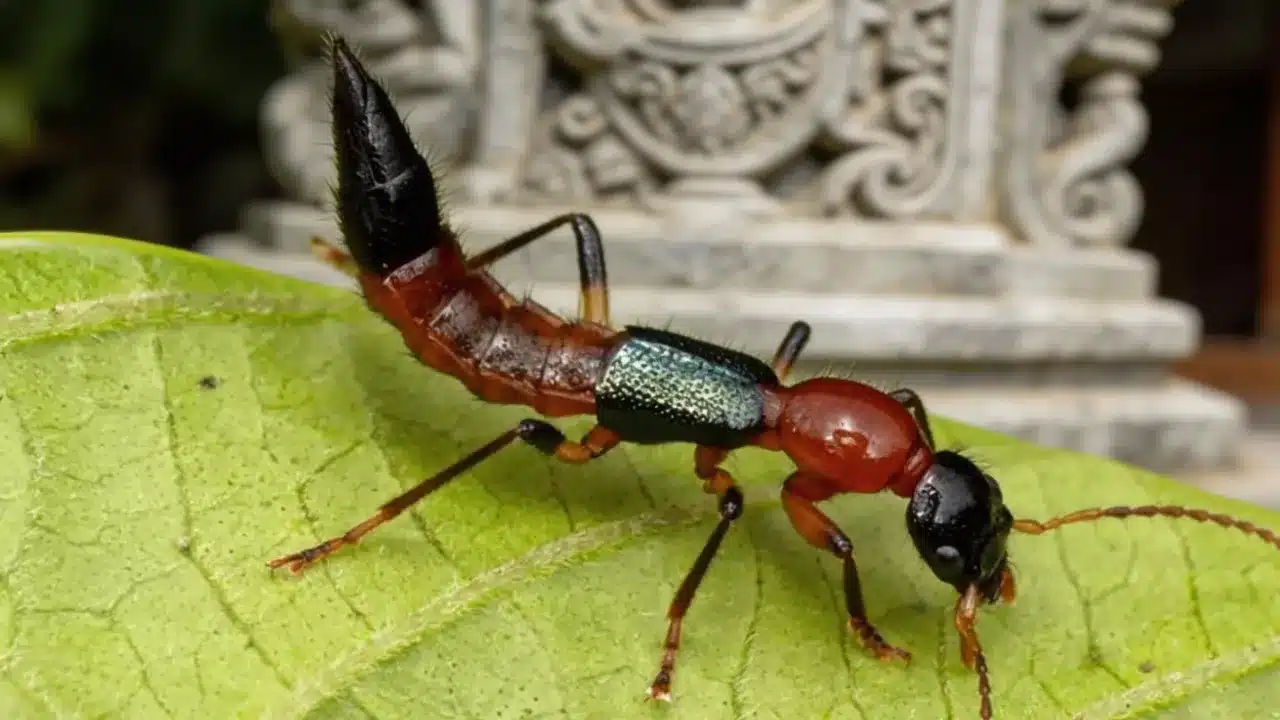
The term “Bali bug” is commonly used by travelers to describe insect-related skin problems, bites, or illnesses experienced while visiting tropical destinations. In reality, there is no single insect called the Bali bug. Instead, the phrase refers to a variety of insects that are naturally present in tropical ecosystems.
Warm temperatures, frequent rainfall, and lush vegetation create ideal breeding environments for many insects. Rice fields, gardens, stagnant water, and humid climates allow mosquitoes and other bugs to reproduce quickly. Because of these conditions, visitors may encounter insects more often than they would in cooler climates.
Most insect encounters are harmless and result only in minor irritation. However, some species carry pathogens that can cause illnesses such as dengue fever, chikungunya, or Zika virus. According to health authorities, mosquito-borne diseases remain a major concern in Indonesia and other tropical regions.
Tomcat (Rove Beetle): The Skin Irritation “Bali Bug”
One of the most widely discussed insects among travelers is the Tomcat, a small beetle belonging to the rove beetle family. Unlike mosquitoes, Tomcat insects do not bite or sting. However, they release a toxic substance called pederin when crushed against the skin.
Why Tomcat Causes Skin Problems
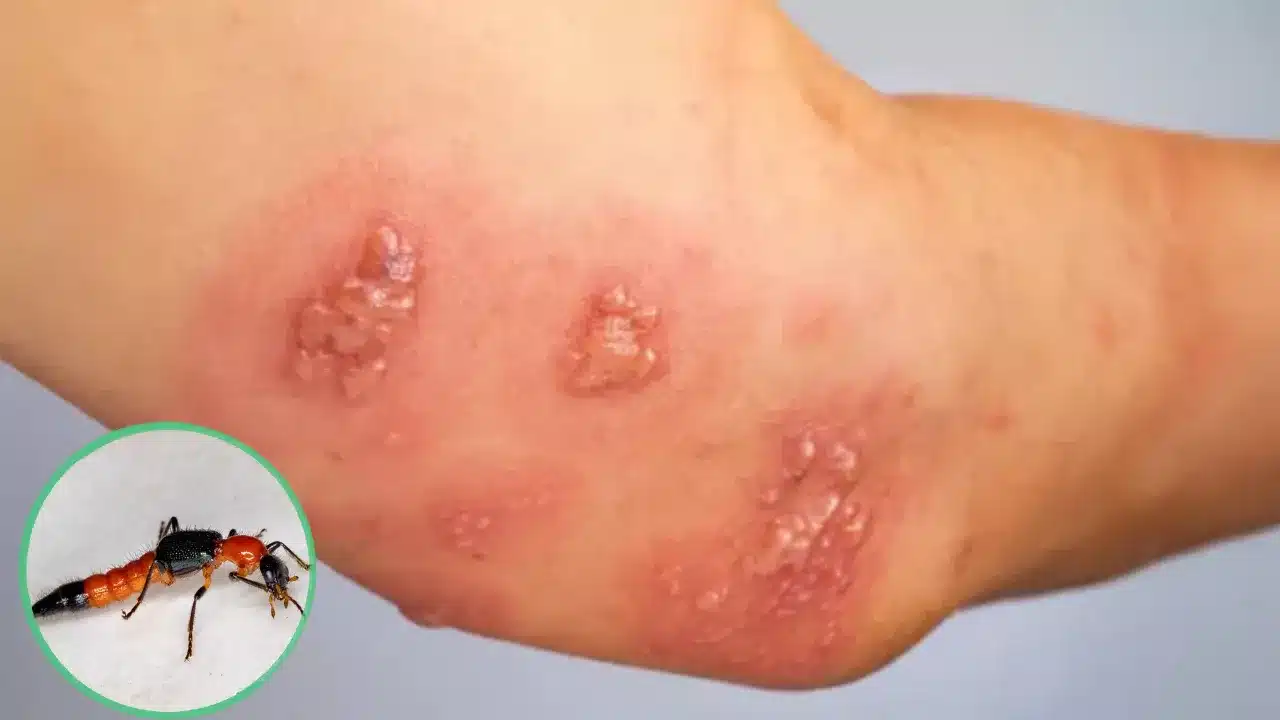
When the insect is accidentally brushed or crushed on the skin, the toxin can cause a reaction known as Paederus dermatitis. Symptoms often appear within hours and may include:
- Redness and burning sensation
- Painful skin irritation
- Blisters or pustules
- Itching or swelling
In more severe cases, the rash may last for several days and can resemble chemical burns. Initial symptoms usually include redness and burning that may progress to blisters if untreated.
What to Do If You Encounter a Tomcat
If you see a Tomcat beetle on your skin, avoid crushing it. Instead, gently blow it away or brush it off carefully. If contact occurs:
- Wash the affected skin immediately with soap and water.
- Apply a cold compress to reduce inflammation.
- Seek medical advice if the irritation worsens.
Medical treatment may involve topical creams or anti-inflammatory medication to prevent infection and reduce discomfort.
Mosquitoes: The Most Important “Bali Bug”
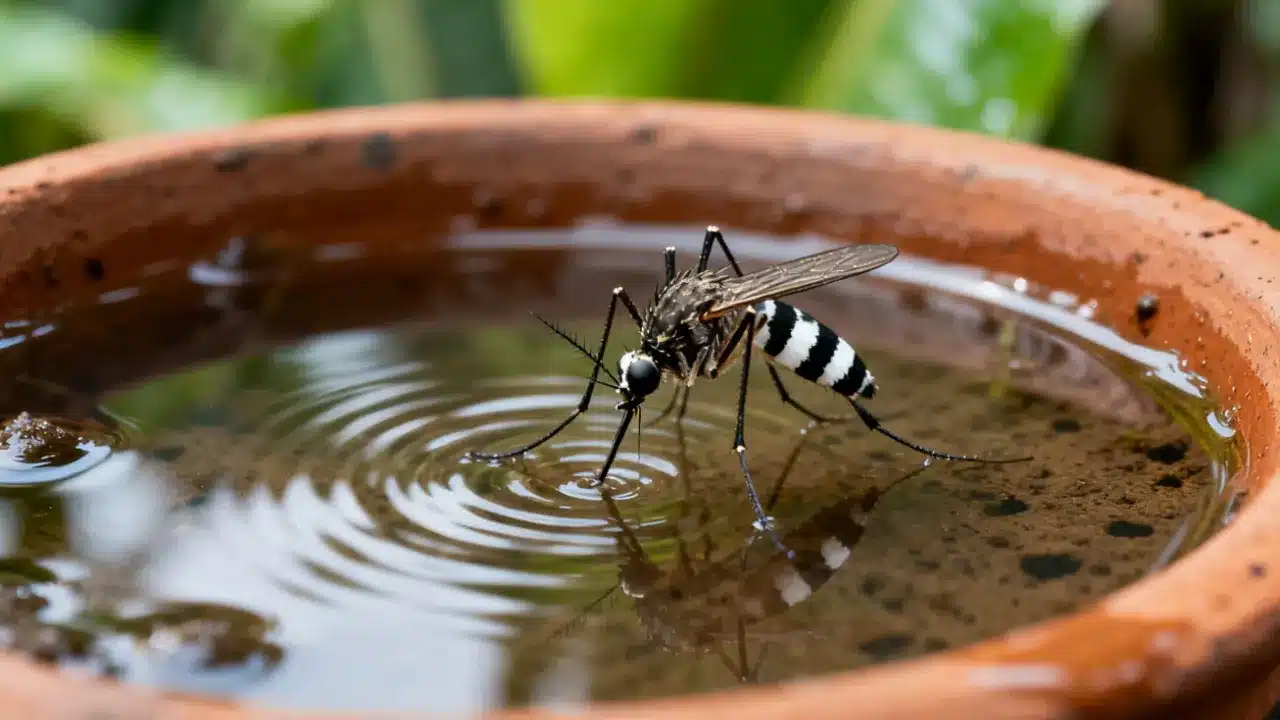
While Tomcat insects can cause skin irritation, mosquitoes are the most medically significant bugs in Bali because they can transmit infectious diseases.
Several mosquito species exist in Indonesia, but the most concerning are those that act as vectors for viral infections.
Aedes aegypti
The Aedes aegypti mosquito is the primary carrier of dengue fever, one of the most common mosquito-borne diseases in tropical regions. This species is recognizable by its black body with distinctive white markings.
Unlike many mosquitoes that bite at night, Aedes aegypti is most active during the daytime, especially in the early morning and late afternoon.
When infected mosquitoes bite humans, they can transmit viruses responsible for:
- Dengue fever
- Zika virus
- Chikungunya
- Yellow fever
Health authorities note that dengue fever remains a serious public health problem in Indonesia, with thousands of cases reported each year.
Aedes albopictus
Another mosquito species found in Indonesia is Aedes albopictus, commonly known as the Asian tiger mosquito. This species also carries viruses that can cause dengue, chikungunya, and other illnesses.
Aedes albopictus is highly adaptable and can breed in small containers of water such as:
- Flower pots
- Buckets
- Discarded bottles
- Rainwater puddles
Because these mosquitoes breed close to human settlements, prevention efforts often focus on eliminating standing water around homes and accommodations.
Dengue Fever: The Biggest Health Concern Linked to Bali Bugs

Among all insect-related diseases in Bali, dengue fever is the most significant risk for both residents and travelers.
What Is Dengue Fever?
Dengue fever is a viral infection transmitted through the bite of an infected Aedes mosquito. Once the virus enters the bloodstream, symptoms may appear within 4–10 days.
Common symptoms include:
- Sudden high fever
- Severe headache
- Muscle and joint pain
- Nausea and vomiting
- Skin rash
- Mild bleeding (such as nosebleeds or gum bleeding)
In severe cases, dengue can progress into dengue hemorrhagic fever, which may cause internal bleeding, organ damage, or life-threatening complications.
Dengue in Bali
Indonesia is among the countries with the highest dengue burden in Southeast Asia. Large outbreaks have occurred in multiple years, including thousands of hospitalizations during major epidemics.
Because Bali attracts millions of international visitors, awareness and early diagnosis are essential to prevent severe illness.
Dengue Testing in Bali

Early diagnosis is critical for proper treatment and monitoring of dengue infection. Laboratory testing can confirm whether symptoms are caused by dengue or another viral illness.
Tests commonly used include:
- Dengue NS1 antigen test
- Dengue IgM and IgG antibody tests
- Complete blood count to monitor platelet levels
Travelers experiencing symptoms such as fever, severe headache, or unusual fatigue after mosquito bites should seek medical evaluation immediately.
Trusted Medical Care in Seminyak: Saline Bali Clinic
For travelers staying in Seminyak or nearby areas, Saline Bali Clinic is a trusted healthcare provider offering professional medical services for both residents and international visitors.
The clinic provides a range of laboratory services, including dengue testing, to help diagnose infections quickly and accurately. Early testing is essential because dengue symptoms can resemble flu or other viral illnesses during the early stages.
Saline Bali Clinic is known for its experienced medical staff, modern diagnostic equipment, and patient-focused care. Whether you need a health consultation, laboratory test, or treatment for insect-related conditions, the clinic offers reliable medical support in Bali.
Other Common Insects in Bali
In addition to Tomcat beetles and mosquitoes, several other insects are commonly encountered in Bali’s tropical environment.
Ants
Ants are extremely common in tropical climates and are usually harmless. However, some species may bite if disturbed, causing mild irritation or itching.
Flies
Flies are often found in outdoor dining areas, markets, and near waste disposal sites. While they can be annoying, they are generally not dangerous if proper hygiene practices are followed.
Caterpillars and Moths
Some caterpillars in tropical regions possess tiny hairs that can irritate the skin if touched. Contact with these insects may cause itching or mild allergic reactions.
Preventing Bali Bug Problems
The best way to avoid insect-related health problems in Bali is through simple preventive measures.
Use Insect Repellent
Apply mosquito repellent containing ingredients such as:
- DEET
- Picaridin
- IR3535
Repellent is especially important during outdoor activities or evening hours.
Wear Protective Clothing
Lightweight long-sleeved shirts and pants can reduce exposure to mosquito bites and other insects.
Avoid Standing Water
Mosquitoes breed in stagnant water. Ensure that buckets, containers, or plant pots around accommodations do not collect rainwater.
Keep Windows and Doors Protected
Using mosquito nets or window screens can help prevent insects from entering rooms at night.
Check Bedding and Clothing
Before sleeping, quickly inspect bedsheets and pillows for insects such as Tomcat beetles.
When to Seek Medical Attention
Most insect bites resolve on their own. However, travelers should seek medical care if they experience:
- Persistent fever
- Severe headaches or muscle pain
- Spreading skin rash or blisters
- Signs of infection around insect bites
- Extreme fatigue or bleeding symptoms
These signs may indicate dengue fever or another infection that requires professional medical evaluation.
Clinics like Saline Bali Clinic in Seminyak provide convenient medical consultation and diagnostic testing for travelers who need prompt care.
How to Protect Yourself from Bali Bugs While Traveling

The term “Bali bug” often refers to the various insects that thrive in Bali’s tropical climate. While most encounters with insects are harmless, certain species can cause health problems ranging from skin irritation to serious illnesses.
Tomcat beetles may cause painful skin reactions if crushed, while mosquitoes such as Aedes aegypti can transmit diseases like dengue fever. Because dengue remains a significant public health concern in Bali and other tropical regions, prevention and early diagnosis are extremely important.
Travelers can reduce their risk by using insect repellent, wearing protective clothing, and avoiding mosquito breeding areas. If symptoms such as fever, severe headaches, or unusual fatigue appear, medical evaluation should not be delayed. Reliable healthcare providers such as Saline Bali Clinic in Seminyak offer laboratory testing and medical care for insect-related illnesses, including dengue fever. With proper awareness and preventive measures, visitors can safely enjoy everything Bali has to offer while minimizing the risks associated with tropical insects.
Frequently Asked Questions

What is the Bali bug?
The term “Bali bug” is not a specific insect species. Travelers commonly use it to describe various insects found in Bali’s tropical environment that may cause skin irritation, bites, or illnesses. These can include Tomcat beetles, mosquitoes such as Aedes aegypti, ants, and other tropical insects commonly found in humid climates.
Can Bali bugs cause serious health problems?
Most insect encounters in Bali are harmless and only cause minor itching or skin irritation. However, some insects can pose health risks. Mosquitoes such as Aedes aegypti can transmit diseases like dengue fever, while Tomcat beetles may cause skin inflammation if crushed on the skin. Prompt medical attention is recommended if symptoms such as fever, severe headache, or unusual fatigue occur.
What are the symptoms of dengue fever from mosquito bites in Bali?
Dengue fever symptoms usually appear 4–10 days after being bitten by an infected mosquito. Common symptoms include high fever, severe headache, muscle and joint pain, nausea, skin rash, and fatigue. In more serious cases, dengue may lead to bleeding symptoms or low platelet levels, which require immediate medical care.
How can travelers prevent Bali bug bites?
Travelers can reduce the risk of insect bites by using mosquito repellent, wearing lightweight long-sleeved clothing, and avoiding areas with standing water where mosquitoes breed. Staying in accommodations with window screens or mosquito nets and keeping doors closed at night can also help minimize insect exposure.
Where can I get tested for dengue fever in Bali?
If you experience symptoms such as fever, severe headache, or fatigue after mosquito bites, it is important to seek medical evaluation. Clinics such as Saline Bali Clinic in Seminyak provide professional consultations and laboratory testing, including dengue diagnostic tests, to help detect infections early and ensure proper treatment.