
Dehydration occurs when the body loses more fluids than it takes in, disrupting the delicate balance necessary for normal bodily function. Water plays a crucial role in regulating body temperature, maintaining blood circulation, supporting organ performance, and enabling cells to function properly. Even mild dehydration can lead to fatigue, headaches, and decreased concentration. However, when fluid loss becomes significant, it can escalate into a dangerous medical condition.
In hot and humid climates, dehydration can progress quickly. The body relies on sweating to cool itself, and excessive sweating without adequate fluid replacement can cause a rapid drop in blood volume. When blood volume decreases, the heart must work harder to pump oxygen and nutrients throughout the body. In severe cases, this strain may contribute to life-threatening complications such as heat exhaustion or heat stroke — and in some vulnerable individuals, it may even increase the risk of cardiac events.
Why Bali Dehydration Is Common Among Tourists

Every year, millions of travelers visit Bali to enjoy its beaches, tropical weather, and outdoor activities. However, many visitors arrive from countries with cooler or drier climates. The sudden exposure to Bali’s high temperatures and humidity can shock the body’s natural cooling system.
This phenomenon, often referred to as “Bali Dehydration,” is common among tourists who underestimate how much fluid their body needs in a tropical environment. Activities such as surfing, hiking, temple visits, beach lounging, and motorbike touring increase fluid loss through sweat. Add alcohol consumption, jet lag, and long flights into the mix, and the risk of dehydration rises significantly.
Humidity also plays a crucial role. When humidity levels are high, sweat does not evaporate efficiently. This makes the body less effective at cooling itself, increasing the likelihood of overheating. Without proper hydration, the body may struggle to regulate temperature, potentially leading to heat exhaustion and, in severe cases, heat stroke.
From Dehydration to Heat Stroke: How It Happens

Heat stroke is a severe, life-threatening condition that occurs when the body’s temperature rises rapidly and can no longer cool itself. According to health authorities, heat stroke can develop when heat exhaustion is left untreated. Severe dehydration is one of the key contributing factors.
When fluid levels drop too low:
- Blood circulation becomes less efficient
- Sweating decreases or stops
- Body temperature rises uncontrollably
- Organs begin to suffer from reduced oxygen supply
As body temperature climbs above 40°C (104°F), the risk of organ damage increases. The brain is particularly vulnerable. Confusion, disorientation, and loss of consciousness may occur. In extreme cases, heat stroke can trigger seizures, cardiovascular collapse, or even heart complications due to the stress placed on the circulatory system.
While not everyone with dehydration will experience heart-related issues, severe heat stroke can put immense strain on the heart. The heart must pump faster to compensate for low blood volume, and in individuals with underlying conditions, this may increase the risk of serious cardiac events.
Who Is Most at Risk?
Certain individuals are more vulnerable to Bali Dehydration and heat-related illness:
- Tourists unaccustomed to tropical climates
- Elderly individuals
- Children
- People with heart disease or high blood pressure
- Individuals consuming excessive alcohol
- Those engaging in intense outdoor activities
- People experiencing vomiting or diarrhea (such as Bali Belly)
Travelers who push themselves physically during the hottest hours of the day without adequate hydration are particularly at risk.
Early Signs of Dehydration
Recognizing the early symptoms of dehydration can prevent serious complications. Common signs include:
- Increased thirst
- Dry mouth and lips
- Dark yellow urine
- Reduced urination
- Fatigue
- Headache
- Dizziness
At this stage, increasing fluid intake and resting in a cool environment may be enough to reverse the condition.

Warning Signs of Severe Dehydration and Heat Stroke
If dehydration worsens, symptoms may escalate rapidly. Seek medical attention immediately if any of the following occur:
- High body temperature (above 39–40°C)
- Rapid heartbeat
- Rapid breathing
- Confusion or disorientation
- Fainting or loss of consciousness
- Seizures
- Hot, flushed, or dry skin
- Minimal or no urination
These signs indicate a medical emergency. Heat stroke requires immediate treatment to prevent organ damage or fatal outcomes.
When Should You Go to a Clinic or Hospital?
It is crucial not to wait until symptoms become extreme. You should seek medical evaluation if:
- You are unable to keep fluids down due to vomiting
- Diarrhea persists and causes weakness
- You feel extremely dizzy when standing
- You have not urinated for 8 hours or more
- Your symptoms worsen despite drinking water
- You experience confusion or unusual behavior
In Bali, access to prompt medical care can make a significant difference. Early intervention helps prevent complications and speeds up recovery.
Why Drinking Water Alone May Not Be Enough

Many people believe that drinking plain water is always enough to fix dehydration. While this is true for mild cases, it may not be sufficient when dehydration becomes moderate or severe. In more serious situations, the body has already lost not only water but also essential electrolytes through excessive sweating, vomiting, diarrhea, or prolonged exposure to heat. Simply drinking water may dilute remaining electrolyte levels further, and the digestive system may absorb fluids too slowly to keep up with the body’s urgent needs—especially if nausea or weakness is present.
Electrolytes such as sodium and potassium play a vital role in maintaining heart rhythm, regulating blood pressure, supporting nerve communication, and enabling proper muscle contractions. When these levels drop significantly, symptoms can worsen quickly and may include dizziness, irregular heartbeat, confusion, and extreme fatigue. In these cases, intravenous (IV) therapy becomes a valuable medical solution. By delivering fluids and electrolytes directly into the bloodstream, IV therapy allows for rapid rehydration, quicker stabilization of vital functions, and more efficient recovery compared to oral hydration alone.
IV Therapy: Rapid Rehydration for Severe Bali Dehydration
Intravenous (IV) hydration delivers fluids, electrolytes, and essential nutrients directly into the bloodstream. This method bypasses the digestive system, allowing the body to absorb fluids immediately and efficiently.
For patients experiencing:
- Severe dehydration
- Heat exhaustion
- Heat stroke
- Persistent vomiting or diarrhea
- Weakness due to fluid loss
IV therapy can quickly restore fluid balance, stabilize circulation, and support organ function.
Medical professionals assess the patient’s condition, vital signs, and hydration status before administering IV treatment. In some cases, additional medications or monitoring may be required, especially if heat stroke or heart complications are suspected.
Preventing Heat Stroke During Your Bali Vacation
Prevention remains the best strategy. Visitors can reduce the risk of Bali Dehydration by:
- Drinking water regularly, even before feeling thirsty
- Avoiding excessive alcohol in hot weather
- Wearing light, breathable clothing
- Taking breaks in shaded or air-conditioned spaces
- Avoiding intense activities between 11 AM and 3 PM
- Consuming electrolyte-rich drinks
- Monitoring urine color as a hydration indicator
Listening to your body is essential. If you feel unwell, rest immediately and hydrate.
Professional IV Hydration at Saline Bali Clinic
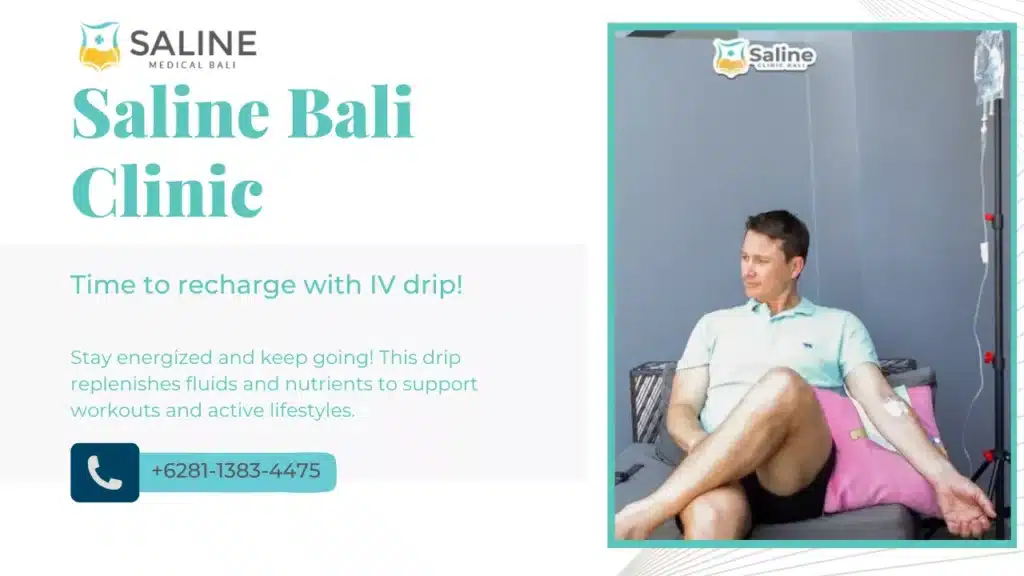
For travelers experiencing moderate to severe Bali Dehydration, seeking professional medical care is critical. Saline Bali Clinic provides IV hydration therapy administered by trained medical professionals in a safe clinical environment.
Their medical team evaluates each patient individually to determine the appropriate fluid and electrolyte balance. Treatments are performed under professional supervision to ensure safety and effectiveness.
Saline Bali Clinic offers:
- IV hydration therapy
- Treatment for heat exhaustion and dehydration
- Care for travelers experiencing Bali Belly
- In-clinic and homecare services (depending on availability)
By delivering fluids directly into the bloodstream, IV therapy can help patients recover faster, restore energy levels, and reduce the risk of complications related to severe dehydration.
Why Professional Care Matters
Dehydration and heat stroke are not conditions to self-diagnose or treat casually, especially in a tropical climate. Misjudging the severity of symptoms can delay necessary care.
Professional assessment ensures:
- Accurate diagnosis
- Proper monitoring of vital signs
- Correct electrolyte balance
- Safe administration of IV fluids
- Identification of potential complications
Prompt treatment significantly reduces the risk of long-term organ damage or serious cardiovascular strain.
Take Bali Dehydration Seriously
Bali’s tropical beauty attracts millions of visitors each year, but the climate demands respect. Bali Dehydration is more common than many travelers realize, and when ignored, it can escalate into heat exhaustion or heat stroke — potentially placing dangerous stress on the heart and other vital organs.
The key is awareness. Stay hydrated, recognize early symptoms, and do not hesitate to seek medical care if warning signs appear. Severe dehydration is not simply about feeling thirsty — it is a condition that can become life-threatening if left untreated.
If you or someone you know experiences symptoms of severe dehydration while in Bali, seeking professional IV hydration therapy at a trusted medical provider such as Saline Bali Clinic can provide rapid and effective support.
Your health is essential to enjoying your time in paradise. Hydrate wisely, act quickly when symptoms arise, and prioritize professional medical care when needed.
Frequently Asked Questions

What is Bali Dehydration?
Bali Dehydration refers to dehydration commonly experienced by travelers in Bali due to high temperatures, humidity, increased outdoor activities, alcohol consumption, or sudden climate changes from their home country. The tropical environment can cause excessive sweating and rapid fluid loss, especially for visitors who are not used to hot weather.
Can dehydration really lead to heat stroke?
Yes. Severe dehydration reduces the body’s ability to regulate temperature through sweating. When the body can no longer cool itself effectively, core temperature can rise dangerously high, leading to heat exhaustion and potentially heat stroke. Heat stroke is a medical emergency that requires immediate treatment.
What are the warning signs that I need medical attention?
You should seek medical care if you experience high body temperature, confusion, fainting, rapid heartbeat, minimal urination, severe dizziness, or persistent vomiting. These symptoms may indicate severe dehydration or heat stroke and require urgent evaluation at a clinic or hospital.
Is drinking water enough to treat severe dehydration?
Drinking water can help in mild cases, but moderate to severe dehydration often requires more intensive treatment. When the body has lost significant fluids and electrolytes, oral hydration may not be absorbed quickly enough. In such cases, intravenous (IV) therapy can restore fluids and electrolytes more effectively and rapidly.
How does IV therapy help with Bali Dehydration?
IV therapy delivers fluids and essential electrolytes directly into the bloodstream, allowing for faster rehydration and recovery. It is especially helpful for individuals experiencing severe fluid loss, heat exhaustion, or symptoms that do not improve with oral hydration alone.