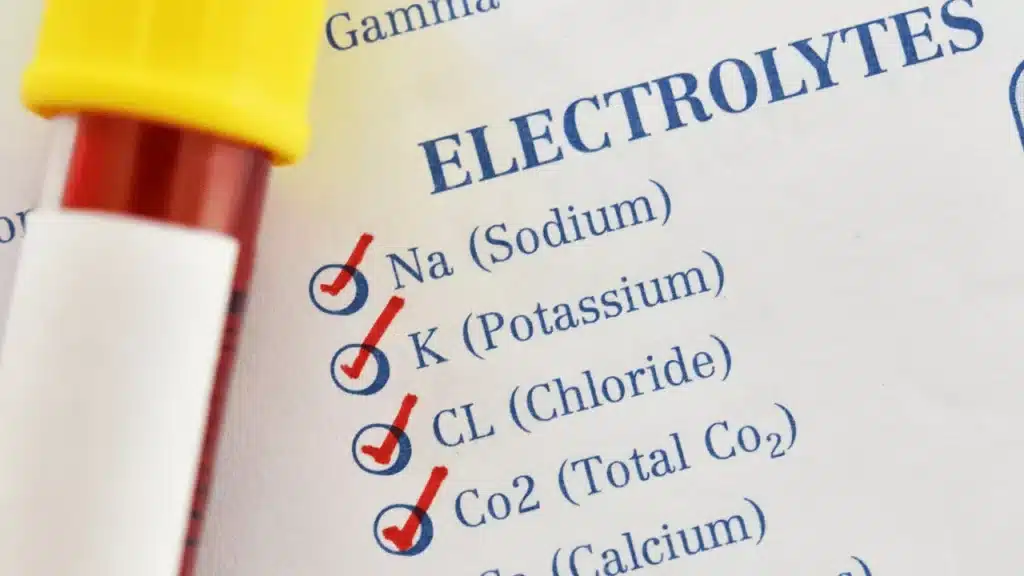
A Blood Electrolyte Test is a common medical examination used to measure essential minerals in the blood that play a critical role in maintaining the body’s normal physiological functions. These electrolytes include substances such as sodium, potassium, chloride, calcium, magnesium, and phosphorus, which are responsible for regulating hydration levels, supporting nerve signal transmission, enabling proper muscle contraction, stabilizing heart rhythm, and maintaining healthy blood pressure. In addition, electrolytes are essential for preserving the body’s acid–base balance, which ensures that cells, tissues, and organs function efficiently. Even small imbalances in these mineral levels can disrupt normal body processes and lead to noticeable symptoms or health risks.
Because electrolyte imbalances can affect many organ systems and cause symptoms ranging from fatigue and muscle cramps to irregular heartbeat, confusion, and dehydration, this test is an important tool in both routine health monitoring and clinical diagnosis. A Blood Electrolyte Test helps healthcare providers detect early signs of underlying conditions such as kidney disorders, hormonal imbalances, heart problems, or metabolic disturbances before they become serious. Understanding what a Blood Electrolyte Test measures and why it matters allows individuals to take a more proactive role in managing their health, make informed lifestyle or treatment decisions, and seek medical attention early when imbalances are detected.
What Is a Blood Electrolyte Test?
A Blood Electrolyte Test is a laboratory test that measures the levels of key electrolytes in the bloodstream, providing a clear picture of the body’s internal chemical balance. Electrolytes are minerals that carry an electric charge when dissolved in body fluids, and they are essential for regulating vital physiological processes such as nerve impulse transmission, muscle contraction, heart rhythm, and fluid movement between cells and tissues. Because these minerals must remain within a narrow range to support normal function, the Blood Electrolyte Test plays an important role in monitoring overall health and detecting early signs of imbalance.
The test evaluates whether electrolyte levels are within the normal range, too high, or too low, helping healthcare providers understand how well the body is maintaining its internal stability. Any imbalance may indicate dehydration or overhydration, kidney dysfunction, hormonal disorders such as adrenal or thyroid problems, metabolic conditions, or side effects from certain medications like diuretics or blood pressure drugs. By identifying these abnormalities early, a Blood Electrolyte Test supports accurate diagnosis, timely treatment, and better long-term health management.
5 Functions of a Blood Electrolyte Test

The main function of a Blood Electrolyte Test is to assess the balance of minerals in the blood that control vital body functions such as heartbeat regulation, muscle contraction, nerve signal transmission, and the movement of fluids in and out of cells. These electrolytes work together to keep the body’s internal environment stable, which is essential for maintaining normal organ function and overall health. Even minor disturbances in electrolyte levels can disrupt this balance and lead to symptoms that affect daily activities and physical well-being.
Healthcare providers rely on the Blood Electrolyte Test as a valuable diagnostic and monitoring tool in many clinical situations. It is commonly used to:
1. Detect electrolyte imbalances early, allowing intervention before complications develop.
2. Monitor kidney and heart function, as these organs play a key role in regulating electrolyte levels and are sensitive to changes in mineral balance.
3. Evaluate dehydration or overhydration, which can occur due to illness, intense physical activity, or fluid loss from vomiting or diarrhea.
4. Monitor patients with chronic illnesses such as kidney disease, heart disease, or diabetes, as well as those taking medications that affect electrolyte levels, including diuretics and blood pressure drugs.
5. Support the diagnosis of metabolic and hormonal disorders, such as adrenal or thyroid conditions that can influence mineral regulation.
By identifying abnormalities early through a Blood Electrolyte Test, doctors can recommend appropriate treatments such as fluid management, dietary adjustments, medication changes, or further investigations, helping prevent symptoms from becoming severe and reducing the risk of long-term complications.
Benefits of Taking a Blood Electrolyte Test

There are several important advantages to performing a Blood Electrolyte Test, as it provides essential information about the body’s mineral balance and overall physiological stability. This test supports both preventive healthcare and medical treatment by helping doctors understand how well key systems in the body are functioning and how effectively the body is maintaining its internal environment.
Some of the main benefits of a Blood Electrolyte Test include:
- Early detection of health issues, such as kidney disease, heart rhythm abnormalities, or endocrine disorders, allowing treatment to begin before these conditions progress or cause serious complications.
- Monitoring chronic conditions like hypertension, diabetes, and kidney disease, where electrolyte balance plays a crucial role in disease management and long-term health outcomes.
- Preventing complications associated with severe electrolyte imbalances, such as cardiac arrhythmias, muscle weakness, seizures, or confusion, which can be dangerous if left untreated.
- Supporting recovery during periods of illness, dehydration, or after surgery by helping healthcare providers assess whether fluid and mineral levels are being restored properly.
- Guiding proper hydration and nutrition strategies, ensuring that patients receive the right balance of fluids, salts, and nutrients based on their individual needs and health status.
Overall, the Blood Electrolyte Test provides valuable insight into the body’s internal balance and helps guide safe, effective, and personalized medical care. By using this test as part of routine check-ups or medical evaluations, both patients and healthcare providers can make more informed decisions that promote better health, faster recovery, and long-term well-being.
Blood Electrolyte Tests Available at Saline Bali Clinic
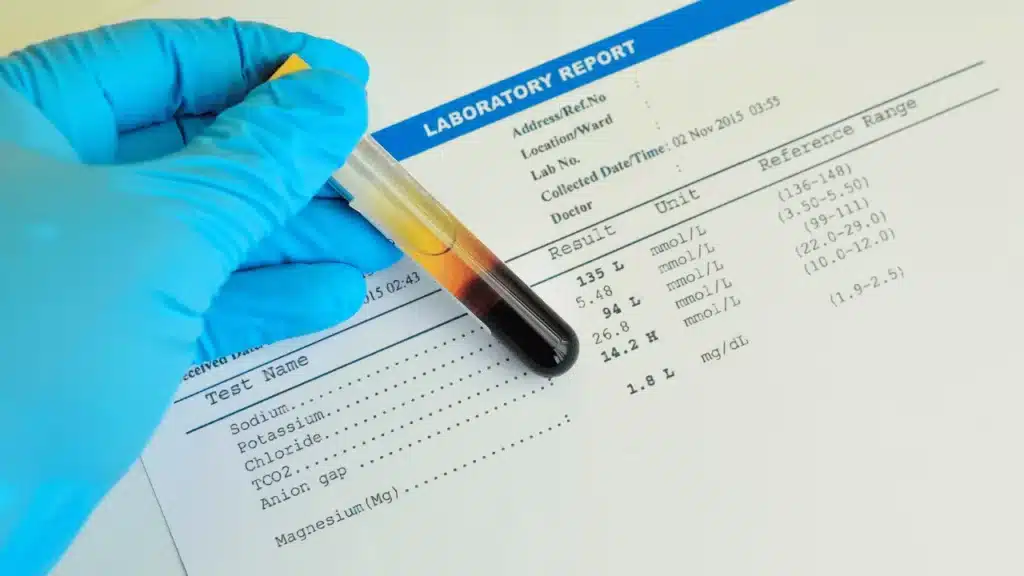
Saline Bali Clinic offers professional Blood Electrolyte Test services using reliable laboratory standards and experienced medical staff. The clinic provides a safe, comfortable, and efficient testing environment for both residents and travelers in Bali.
At Saline Bali Clinic, the Blood Electrolyte Test includes the following measurements:
Sodium (Na)
Plays a central role in regulating the body’s fluid balance by controlling how much water is retained inside and outside of cells. It is also essential for transmitting nerve impulses and enabling proper muscle contraction. When sodium levels are too high or too low, it can lead to symptoms such as fatigue, confusion, headaches, muscle weakness, or swelling. Maintaining normal sodium levels is especially important for hydration, blood pressure regulation, and overall cellular function.
Potassium (K)
Essential for maintaining a normal heart rhythm and supporting healthy muscle contractions throughout the body. It helps regulate electrical signals in the heart and nerves, ensuring that the heart beats regularly and muscles respond properly to stimulation. Abnormal potassium levels can cause serious problems such as irregular heartbeat, muscle cramps, weakness, or even cardiac arrest in severe cases, making potassium balance a critical component of cardiovascular and muscular health.
Chloride (Cl)
Works closely with sodium to maintain proper fluid balance and support the body’s acid–base equilibrium, which is necessary for normal cellular activity. It also plays a role in digestion as part of stomach acid (hydrochloric acid). Imbalances in chloride can affect breathing, blood pH, and hydration status, and may be linked to kidney disease, dehydration, or metabolic disorders.
Calcium (Ca)
Best known for its role in building and maintaining strong bones and teeth, but it is also vital for muscle contraction, nerve signal transmission, and proper blood clotting. Calcium enables muscles, including the heart, to contract and relax normally, and it supports communication between nerves and cells. Low or high calcium levels can cause muscle spasms, tingling sensations, bone problems, or heart rhythm disturbances.
Phosphorus (P)
Supports bone health by working together with calcium to strengthen bones and teeth, but it is also crucial for energy production at the cellular level. It is a key component of ATP, the molecule that stores and transfers energy in cells, and it plays a role in cell growth, repair, and maintenance. Imbalances in phosphorus can affect bone strength, muscle function, and overall metabolic health.
Magnesium (Mg)
plays an important role in muscle and nerve function, helping regulate muscle relaxation and nerve signal transmission. It also supports a stable heart rhythm and is involved in hundreds of biochemical reactions related to metabolism, energy production, and protein synthesis. Low magnesium levels can lead to muscle cramps, fatigue, irritability, and heart rhythm problems, while adequate magnesium supports overall neurological, muscular, and cardiovascular health.
Each of these electrolytes is vital, and even small imbalances can lead to noticeable symptoms or health risks.
When Is the Right Time to Take a Blood Electrolyte Test?

A Blood Electrolyte Test is recommended when someone experiences symptoms such as fatigue, weakness, muscle cramps, irregular heartbeat, nausea, confusion, or dehydration.
It is also commonly performed:
- During routine health check-ups
- Before or after surgery
- When monitoring kidney, heart, or hormonal disorders
- During treatment with diuretics or other medications that affect electrolytes
- After prolonged vomiting, diarrhea, or intense physical activity
Regular testing helps ensure that electrolyte levels remain within a healthy range.
Why Choose Saline Bali Clinic for Your Blood Electrolyte Test?
Saline Bali Clinic combines professional medical care with a strong focus on patient comfort, safety, and clear communication. The clinic uses reliable laboratory standards and modern diagnostic equipment to ensure accurate Blood Electrolyte Test results, while experienced medical staff perform sample collection gently and efficiently to minimize discomfort. Patients are guided through the testing process, from preparation to sample collection and result delivery, making the experience smooth and reassuring. This patient-centered approach helps reduce anxiety and ensures that every individual feels informed and supported throughout their visit.
Choosing Saline Bali Clinic for your Blood Electrolyte Test means receiving not only precise laboratory results but also professional interpretation and medical guidance tailored to your health needs. Healthcare professionals take the time to explain what your results mean, how they relate to your symptoms or condition, and what steps may be recommended next. This supportive healthcare experience helps patients understand their bodies better, make informed decisions about treatment or lifestyle adjustments, and take proactive steps toward maintaining long-term health and well-being.
The Blood Electrolyte Test is an essential tool for evaluating mineral balance and overall body function. Whether for routine monitoring or medical diagnosis, this test provides important insights into hydration, organ health, and metabolic stability. With professional services from Saline Bali Clinic, individuals can access accurate testing and expert care to support long-term wellness and early disease prevention.
Frequently Asked Questions about Blood Electrolyte Test

What is a Blood Electrolyte Test used for?
A Blood Electrolyte Test is used to measure the levels of important minerals in the blood, such as sodium, potassium, chloride, calcium, magnesium, and phosphorus. These electrolytes are essential for maintaining fluid balance, heart rhythm, muscle function, nerve signaling, and acid–base balance. The test helps detect imbalances that may indicate dehydration, kidney disease, heart problems, hormonal disorders, or metabolic conditions.
Do I need to fast before a Blood Electrolyte Test?
In most cases, fasting is not required for a Blood Electrolyte Test. However, your doctor may give specific instructions depending on whether the test is part of a broader health panel or combined with other blood tests. It is always best to follow your healthcare provider’s guidance before testing.
What symptoms might indicate I need a Blood Electrolyte Test?
Symptoms such as fatigue, muscle cramps, weakness, irregular heartbeat, nausea, confusion, dizziness, or signs of dehydration (dry mouth, dark urine, low urine output) may suggest an electrolyte imbalance. In these cases, a Blood Electrolyte Test can help identify the cause and guide appropriate treatment.
How long does it take to get results from a Blood Electrolyte Test?
Results from a Blood Electrolyte Test are usually available within the same day or within 24 hours, depending on the laboratory and clinic. At Saline Bali Clinic, patients typically receive prompt results along with professional interpretation from healthcare staff.
How often should I take a Blood Electrolyte Test?
The frequency of a Blood Electrolyte Test depends on your health condition. Healthy individuals may only need it as part of routine check-ups, while patients with kidney disease, heart conditions, hormonal disorders, or those taking certain medications may need more frequent monitoring as recommended by their doctor.