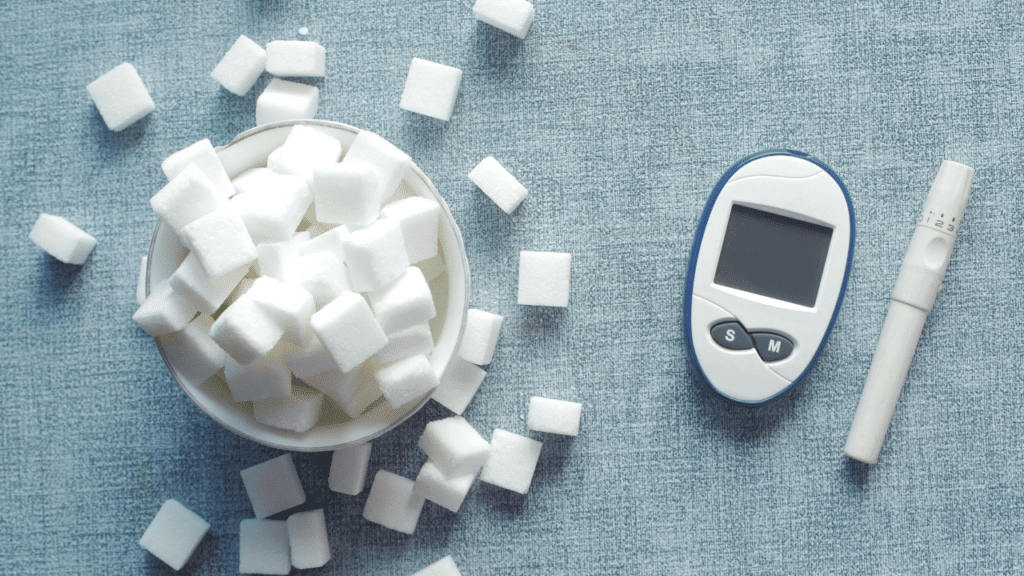
Diabetes has quietly become one of the world’s fastest-growing health concerns. Many people live with elevated blood sugar levels for years without realizing it. Because early symptoms are often mild or mistaken for everyday fatigue or stress, countless individuals only discover their condition once complications have already developed. This is why a Blood Sugar Test is essential—not only for those with risk factors, but for anyone who wants to take control of their long-term health.
Rising Diabetes Cases and the Importance of Early Testing
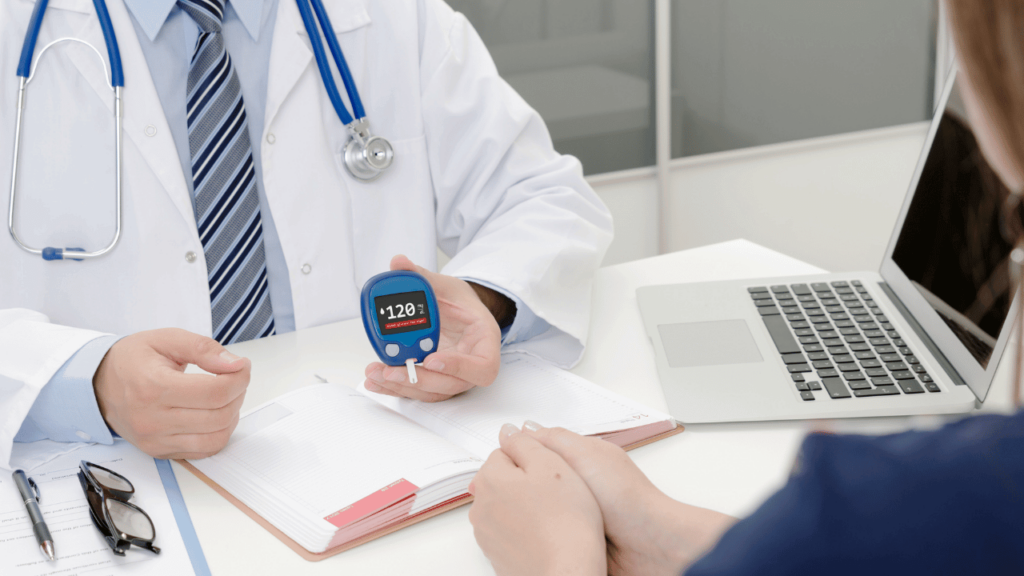
Around the world, diabetes affects hundreds of millions of people, and the number continues to rise. Lifestyle habits such as sedentary work, high-sugar diets, stress, and lack of routine medical check-ups contribute significantly to this trend. Many individuals only consider taking a Blood Sugar Test after experiencing alarming symptoms—but by then, high blood sugar may have already caused silent damage to nerves, blood vessels, and internal organs.
Type 2 diabetes—the most common form—develops gradually. In its early stages, blood glucose levels increase slowly, causing vague symptoms or none at all. Because these early signs can be easily ignored, health experts emphasize the need for a Blood Sugar Test even in people who feel “perfectly fine.” Testing allows early intervention, lifestyle corrections, and treatment strategies that prevent complications such as kidney damage, vision problems, heart disease, or severe infections.
In Indonesia and many other countries, diabetes is often discovered late due to limited awareness. This makes public education and accessible clinical testing—such as a professional Blood Sugar Test offered at Saline Bali Clinic—more important than ever.
Hidden Symptoms That Often Go Unnoticed
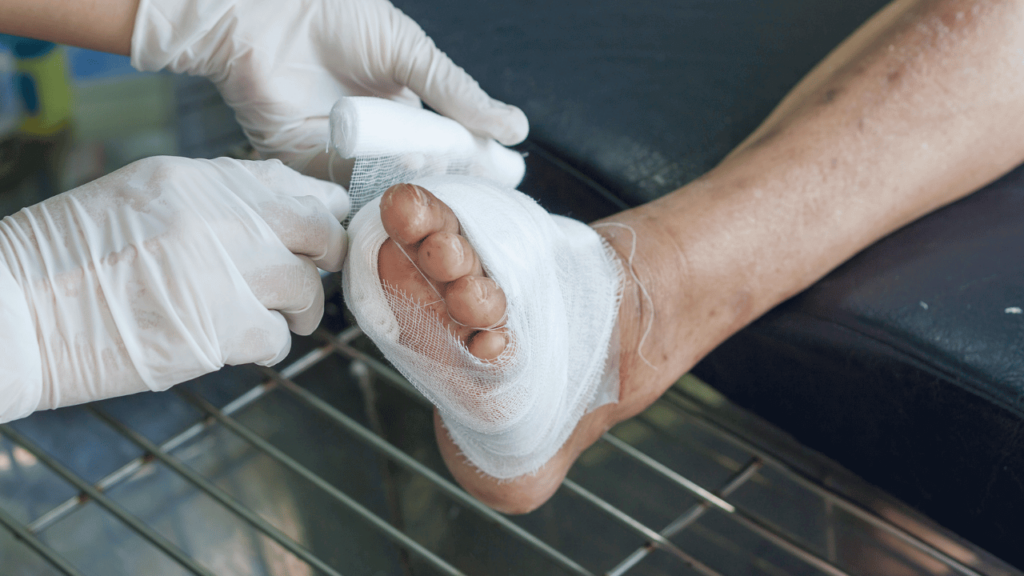
While some individuals experience clear symptoms, many people with high blood sugar feel only slightly unwell or assume they are tired. Here are some early warning signs that should prompt a Blood Sugar Test:
Excessive Thirst and Frequent Urination
When blood glucose levels rise, the body tries to flush out excess sugar through urine. This makes you urinate more frequently, which then triggers dehydration and a constant feeling of thirst. If this happens often, especially at night, a Blood Sugar Test is strongly recommended.
Fatigue and Lack of Energy
Glucose is the body’s primary energy source. When it cannot enter cells effectively, your body feels weak. Persistent fatigue—even after adequate rest—can indicate elevated blood sugar and justify a Blood Sugar Test.
Blurred Vision
High sugar levels cause fluid shifts in the eye’s lens, disrupting vision. If your eyesight suddenly changes, a quick Blood Sugar Test can help reveal whether sugar imbalance is the cause.
Slow-Healing Wounds
High glucose impairs circulation and immune response. Cuts, bruises, or skin infections that take unusually long to heal should not be ignored. A Blood Sugar Test can help identify potential diabetes-related issues early.
Increased Hunger
When cells don’t receive glucose, the body signals hunger—even after meals. This is a classic but overlooked sign that may require a Blood Sugar Test.
Any of these symptoms should prompt immediate screening. However, even without symptoms, routine testing is highly beneficial, especially if you have risk factors.
When Is the Right Time to Get a Blood Sugar Test?
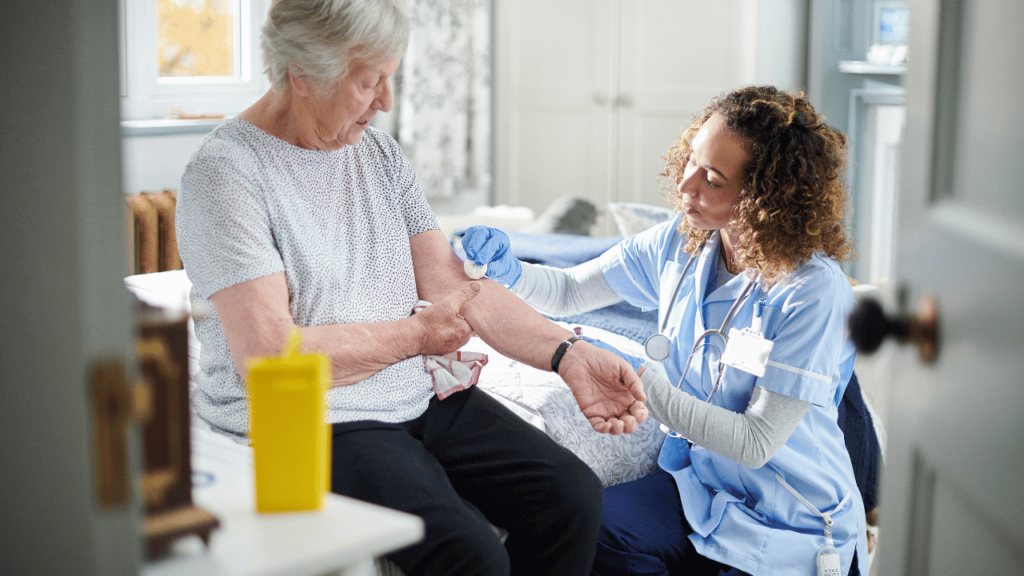
Knowing when to take a Blood Sugar Test is crucial. Experts generally recommend testing for the following groups:
Individuals With Risk Factors
- Family history of diabetes
- Overweight or obesity
- Sedentary lifestyle
- Poor diet high in carbohydrates or sugar
- High blood pressure or high cholesterol
- Women with a history of gestational diabetes
Even one risk factor is enough reason to schedule a Blood Sugar Test.
People Above Age 35
Age increases the likelihood of insulin resistance. Routine annual or biannual Blood Sugar Test screenings are advisable.
Pregnant Women
Screening helps detect gestational diabetes, which can affect both mother and baby. A Blood Sugar Test is usually done between 24–28 weeks of pregnancy or earlier if the woman has risk factors.
Individuals Experiencing Symptoms
If you observe unusual thirst, frequent urination, or fatigue, getting a Blood Sugar Test immediately is recommended.
During Medical Check-Ups
Regular health screenings should include at least one Blood Sugar Test to ensure early detection and proactive management.
In summary: When in doubt, test early. A Blood Sugar Test is simple, quick, and potentially life-saving.
Types of Blood Sugar Tests and What They Measure
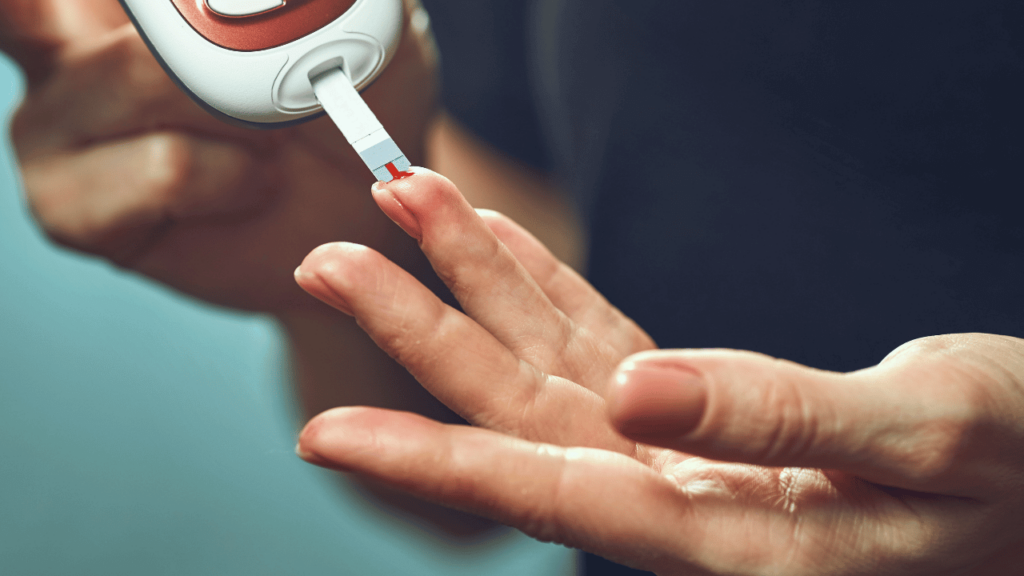
Understanding which type of Blood Sugar Test is right for you can help ensure accurate diagnosis and monitoring. Here are the most common test types:
Random Blood Sugar Test
This test measures glucose at any time of day without fasting. It is useful for quick assessments, especially when symptoms appear suddenly. A high result usually requires follow-up testing.
Fasting Blood Sugar Test
Performed after 8–10 hours of fasting, this Blood Sugar Test gives a baseline reading of your glucose levels without food interference. It is one of the most accurate methods for detecting prediabetes and diabetes.
Oral Glucose Tolerance Test (OGTT)
After fasting, you drink a glucose solution, and blood samples are taken at intervals to measure how your body processes sugar. This Blood Sugar Test is commonly used for diagnosing gestational diabetes.
HbA1c Test
This test measures average blood sugar over the past 2–3 months. Unlike a standard Blood Sugar Test, it provides a long-term overview and is ideal for ongoing diabetes management.
Capillary (Finger-Prick) Test
Commonly used for daily monitoring, this Blood Sugar Test uses a glucometer. It is ideal for people who need frequent checks.
Each type of Blood Sugar Test serves a different purpose. At a professional clinic like Saline Bali, medical staff can recommend the best option based on your symptoms and history.
Why Choose Saline Bali Clinic for Your Blood Sugar Test

Saline Bali Clinic is known for its patient-centered approach and commitment to high-quality medical care. Whether you are checking your glucose levels for the first time or monitoring an existing condition, the clinic offers a comfortable, safe, and efficient environment for your Blood Sugar Test.
Professional Medical Staff
Saline Bali employs trained nurses and healthcare professionals who perform every Blood Sugar Test with precision and care. They follow international medical guidelines to ensure accuracy and patient safety.
Fast and Accurate Results
Timely results are essential, especially if your condition requires immediate action. The clinic provides quick turnaround for Blood Sugar Test results, allowing treatment decisions to be made promptly.
Modern Testing Equipment
The clinic uses up-to-date laboratory technology for every Blood Sugar Test, reducing error rates and enhancing diagnostic reliability.
Comfortable and Hygienic Facilities
Saline Bali prioritizes cleanliness and patient comfort. The testing rooms are designed to create a stress-free experience during your Blood Sugar Test.
Personalized Medical Advice
After completing a Blood Sugar Test, patients receive personalized guidance based on their results—whether it’s lifestyle changes, further testing, or medical treatment.
Types of Blood Sugar Tests Offered at Saline Bali Clinic
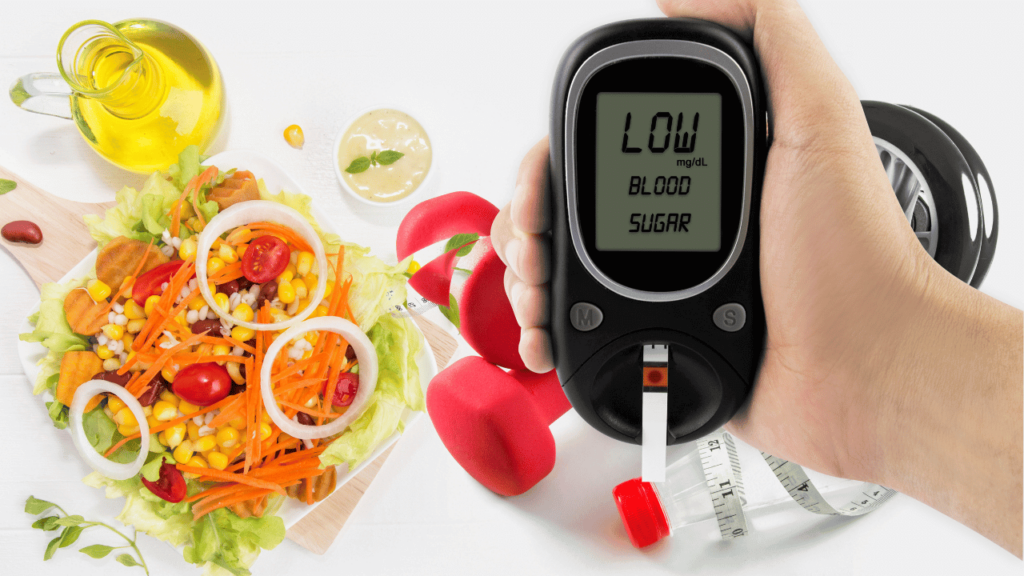
Saline Bali Clinic provides a full range of testing options, allowing patients to select the Blood Sugar Test that fits their needs.
Saline Bali offers a simple but essential check-up designed to measure your blood sugar (glucose) levels accurately. This service is ideal for anyone who wants to monitor their health, especially diabetic patients or individuals who need routine screening to detect early signs of diabetes. The check-up includes two important tests: Random Glucose and HbA1c.
1. Random Glucose Test
The Random Glucose Test measures your blood sugar at any time of the day, without requiring fasting. It is fast, convenient, and especially useful if you are experiencing symptoms such as excessive thirst, frequent urination, fatigue, or sudden blurred vision.
Key benefits:
- Provides an immediate snapshot of your current blood sugar level
- Helps identify unusually high glucose levels quickly
- Useful for patients who need rapid assessment
- No preparation or fasting required
This test is often the first step in evaluating whether your glucose levels are within a healthy range.
2. HbA1c Test
The HbA1c Test measures your average blood sugar level over the past 2–3 months. Unlike random glucose, which shows your levels at a single moment, HbA1c gives a broader overview of long-term glucose control.
Key benefits:
- Shows long-term patterns, not just daily fluctuations
- Essential for monitoring diabetes treatment
- Helps detect prediabetes or ongoing blood sugar issues
- No fasting or special preparation needed
Doctors often rely on HbA1c results to determine whether diabetes is well-managed or if treatment adjustments are needed.
Why These Two Tests Matter

By combining Random Glucose and HbA1c, Saline Bali offers a comprehensive yet simple evaluation of your blood sugar status. The results allow healthcare professionals to:
- Detect early signs of diabetes or prediabetes
- Evaluate how well existing diabetes is being controlled
- Provide personalized recommendations for lifestyle, diet, or medical treatment
Both tests are performed by trained medical staff using reliable equipment, ensuring accurate and comfortable testing for every patient.
The Testing Process at Saline Bali: What to Expect
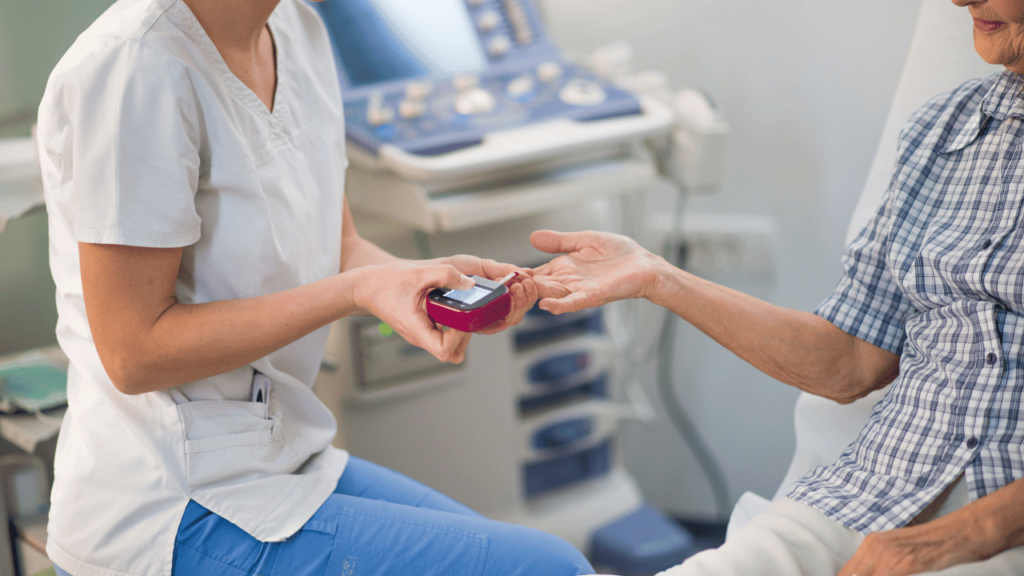
Many people feel anxious before medical tests, but Saline Bali ensures a smooth, friendly, and efficient experience for every Blood Sugar Test.
Easy Booking Options
You can schedule your Blood Sugar Test through WhatsApp, the official website, or walk-in visits (subject to availability).
Preparation Guidance
Staff will inform you whether fasting is required. For tests like HbA1c or random screenings, no preparation is needed.
Professional Test Execution
A nurse or phlebotomist will perform the Blood Sugar Test quickly and with minimal discomfort.
Fast Results and Consultation
Once your results are ready, the medical team explains them clearly. If your Blood Sugar Test indicates elevated levels, they will suggest next steps such as diet adjustments, hydration therapy, further tests, or doctor consultation.
Take Control of Your Health Today

Diabetes may be widespread, but it is also manageable—and often preventable—when detected early. A simple Blood Sugar Test can uncover problems long before symptoms escalate. Whether you want peace of mind, are monitoring existing diabetes, or simply hope to build a healthier lifestyle, regular testing is one of the most effective actions you can take.
Saline Bali Clinic provides reliable, comfortable, and professional services designed to make your Blood Sugar Test experience smooth and reassuring. With expert staff, modern equipment, and personalized care, the clinic is an excellent choice for anyone seeking accurate health assessment.
If you are unsure about your current condition or have noticed subtle symptoms, don’t wait. Schedule your Blood Sugar Test today—your future health depends on the choices you make now.
FAQ

What is a Blood Sugar Test and why is it important?
A Blood Sugar Test measures the amount of glucose in your bloodstream. It is important because abnormal glucose levels can indicate diabetes, prediabetes, or other metabolic issues. Early detection through testing helps prevent complications and supports better long-term health management.
Do I need to fast before a Blood Sugar Test?
Not always. Some tests, such as Random Glucose and HbA1c, do not require fasting. However, a Fasting Blood Glucose Test does require 8–10 hours of no food or drink (except water) for accurate results. Your healthcare provider will let you know the correct preparation based on the type of test.
How often should I get a Blood Sugar Test?
If you have risk factors like family history, overweight, high blood pressure, or symptoms of diabetes, testing once or twice a year is recommended. For diabetic patients, HbA1c tests are usually done every 3 months. Your doctor may recommend more frequent testing depending on your health condition.
What symptoms indicate I may need a Blood Sugar Test?
Common signs include excessive thirst, frequent urination, fatigue, blurred vision, increased hunger, or slow-healing wounds. Even if you don’t have symptoms, routine screening is recommended for adults over 35 or anyone with diabetes risk factors.
How long does it take to get the results?
Most Blood Sugar Tests, such as Random Glucose, provide quick results within minutes. Tests like HbA1c may take slightly longer, depending on the clinic’s laboratory process. At Saline Bali, results are delivered efficiently, and staff will explain your numbers clearly along with any recommended next steps.