Hand, Foot, and Mouth Disease (HFMD) is a highly contagious viral infection that most commonly affects infants and children under five years old. The disease spreads easily in environments where young children gather, such as daycare centers, preschools, and playgrounds. Although many cases are mild and resolve within one to two weeks, HFMD can sometimes lead to serious complications, particularly when caused by certain strains like Enterovirus 71. Because of its rapid transmission and the vulnerability of young immune systems, HFMD continues to be a significant public health concern in many countries, especially during seasonal transitions when viral infections tend to increase.
Medical advancements have introduced preventive solutions that help reduce the risk of severe HFMD cases. The development of the HFMD Vaccine represents an important step forward in protecting children from complications associated with Enterovirus 71 infection. Vaccination, combined with proper hygiene practices and early medical consultation, provides stronger protection against outbreaks. This article will guide you through essential information about HFMD, including its causes, symptoms, transmission, prevention strategies, and the role of vaccination. It also highlights trusted healthcare providers such as Saline Bali Clinic, which offers the INLIVE vaccine as part of its commitment to comprehensive child health protection.
What Is HFMD? A Clear Medical Overview
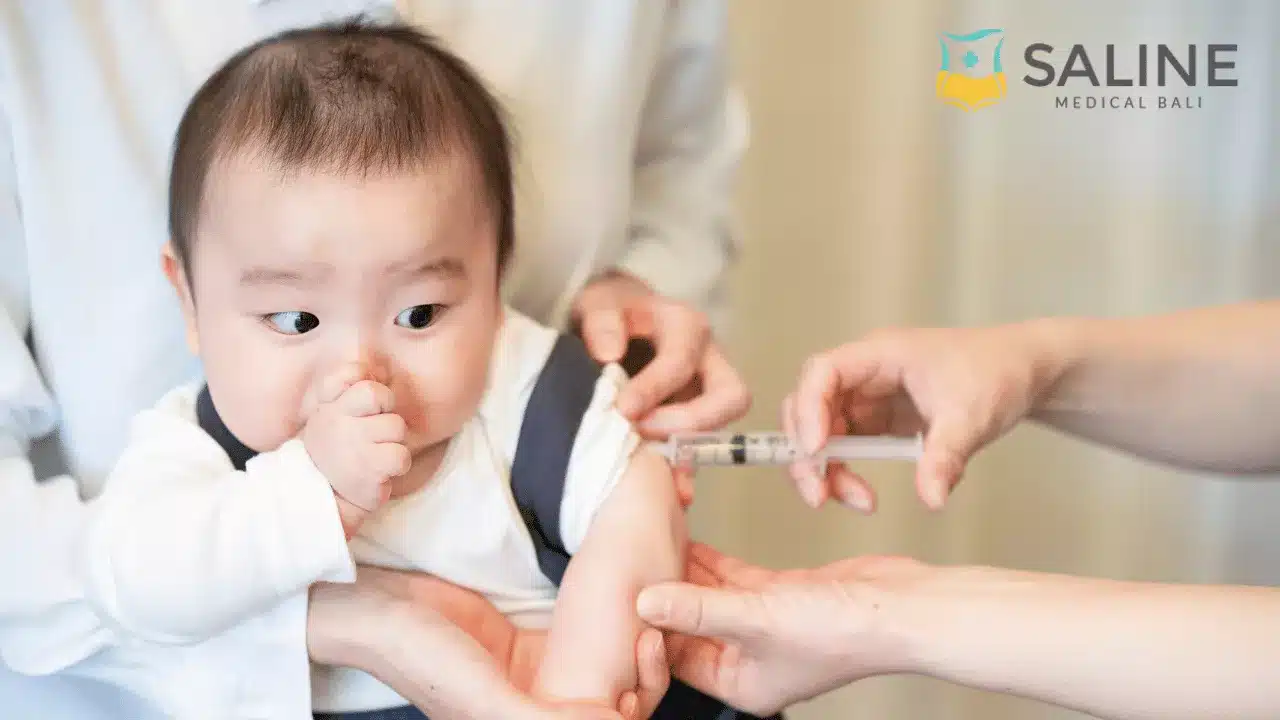
HFMD stands for Hand, Foot, and Mouth Disease, a contagious viral infection caused by a group of viruses known as enteroviruses. The most common causes are Coxsackievirus A16 and Enterovirus 71 (EV71), although other strains can also be responsible. The disease is named after its typical symptoms, which include painful sores inside the mouth and a rash or small blisters that appear on the palms of the hands and soles of the feet.
In some cases, the rash may also develop on the knees, elbows, buttocks, or genital area. Symptoms usually begin with a mild fever, sore throat, and general fatigue before the characteristic skin and mouth lesions appear. While many children recover without complications within seven to ten days, infections caused by EV71 can sometimes lead to more serious health problems affecting the nervous system or heart.
HFMD spreads quickly, particularly in environments where young children interact closely and share toys or learning materials. Daycare centers, preschools, and playgroups are common locations for outbreaks because children frequently touch shared surfaces and may not yet practice proper hand hygiene. The virus can be transmitted through respiratory droplets released when an infected person coughs or sneezes, through direct contact with saliva or blister fluid, and through contact with contaminated objects such as toys, utensils, or doorknobs.
It can also spread via the fecal oral route, especially if hands are not washed properly after diaper changes or bathroom use. Because infected individuals can sometimes transmit the virus even before symptoms appear, prevention requires consistent hygiene practices and increased awareness among parents and caregivers.
Common Symptoms
Children infected with HFMD may experience:
- Fever
- Sore throat
- Painful mouth sores or blisters
- Skin rash or pimples, especially on hands and feet
- Irritability and loss of appetite
Most cases are mild and resolve within 7–10 days. However, when certain virus strains like EV71 are involved, the infection may result in more severe complications — including neurological involvement or dehydration due to painful mouth sores that prevent adequate fluid intake.
Who Is Most at Risk?
HFMD occurs most often in:
- Children under five years old
- Infants and toddlers exposed to others in group care settings
- People with weak or still-developing immune systems
Adults can also become infected, but they typically experience milder symptoms.
How Does HFMD Spread?

Understanding HFMD transmission is essential for developing effective prevention strategies, especially in environments where children gather and interact closely. Because the virus can survive on surfaces and spread through multiple routes, parents, caregivers, and schools must remain vigilant in limiting exposure. Below is a more detailed explanation of how HFMD spreads:
Direct contact with infected individuals
HFMD commonly spreads through close physical contact with someone who is infected. This includes hugging, holding hands, or caring for a sick child. Young children often interact closely during play, making it easy for the virus to transfer from one child to another. Even mild or early-stage infections can be contagious, increasing the risk of unnoticed transmission.
Respiratory droplets released when a person coughs, sneezes, or talks
When an infected person coughs, sneezes, or even speaks at close range, tiny droplets containing the virus can enter the air. These droplets may land on nearby individuals or surfaces. In crowded indoor settings such as classrooms or daycare rooms, respiratory spread can occur quickly, particularly if ventilation is limited.
Contact with contaminated surfaces or toys
The virus that causes HFMD can survive on objects and surfaces for several hours or even days under certain conditions. Shared toys, books, doorknobs, tables, eating utensils, and bedding can all become sources of infection if not cleaned properly. Children frequently put their hands or toys into their mouths, which increases the likelihood of the virus entering the body.
Fecal–oral spread, especially if hand hygiene is inadequate after bathroom use
HFMD viruses can be present in the stool of infected individuals, sometimes even after symptoms have improved. If proper handwashing is not practiced after diaper changes or toilet use, the virus can spread to surfaces, food, or directly to other people. This route of transmission is particularly common among infants and toddlers who require assistance with toileting.
Blister fluid when sores are present
The fluid inside the blisters caused by HFMD contains viral particles. Direct contact with these blisters, whether by touching the skin or handling contaminated clothing and bedding, can lead to infection. Caregivers should take extra precautions when cleaning or treating a child’s sores to avoid accidental transmission.
Because HFMD spreads through multiple pathways, consistent hygiene practices are critical in reducing transmission. Frequent handwashing with soap and water, routine disinfection of shared surfaces and toys, proper respiratory etiquette, and avoiding close contact with infected individuals are highly effective preventive measures. When combined with vaccination and increased awareness, these practices significantly lower the risk of outbreaks in homes, schools, and community settings.
Why Vaccination Against HFMD Matters
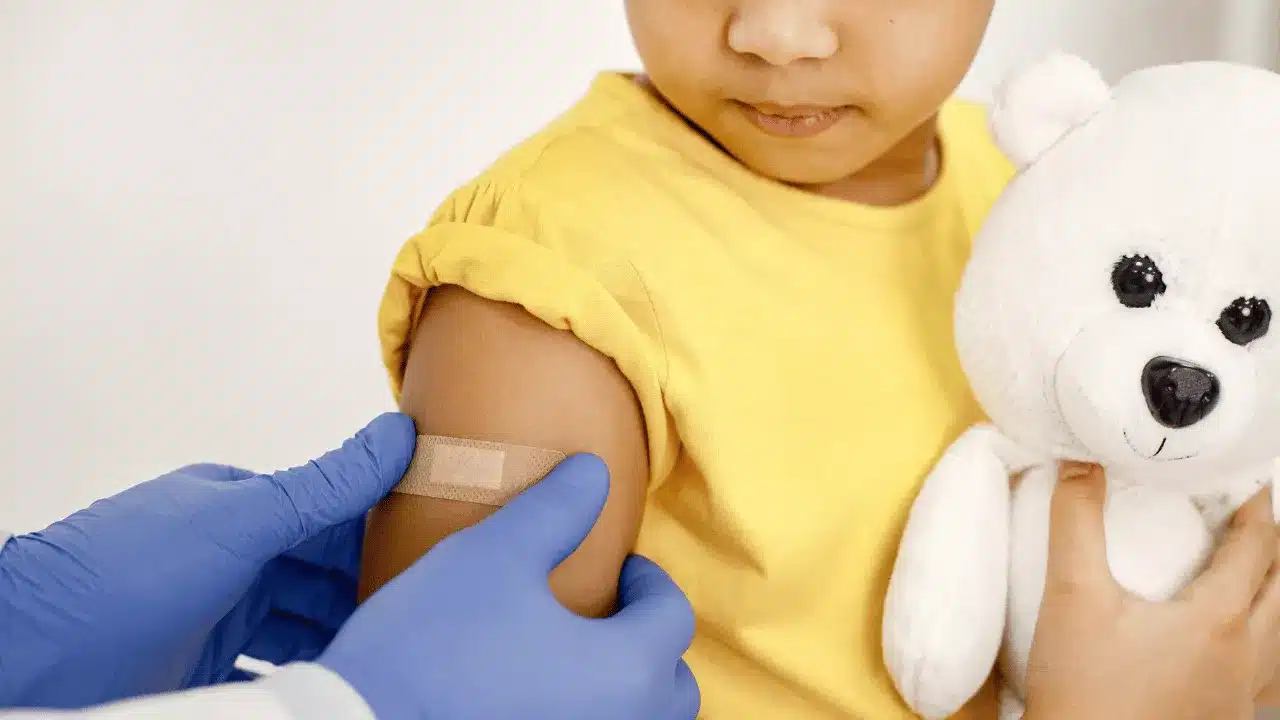
For many years, HFMD was considered a self-limiting childhood infection without a specific vaccine available in most countries. This has changed in recent years in Asia, where vaccines targeting the EV71 virus strain have been developed and approved.
What the HFMD Vaccine Is
The HFMD Vaccine, which is primarily focused on protection against Enterovirus 71 (EV71), is an inactivated vaccine developed to reduce the risk of severe Hand, Foot, and Mouth Disease. An inactivated vaccine means that the virus used in the formulation has been killed, so it cannot cause infection. However, it still stimulates the immune system to recognize and respond to the virus. Once administered, the vaccine trains the body to produce specific antibodies against EV71.
If the vaccinated child is later exposed to the virus, the immune system can quickly identify and neutralize it, significantly lowering the chances of severe complications such as neurological involvement, meningitis, or cardiopulmonary issues. This targeted immune protection is especially important because EV71 is known to be the strain most often associated with serious and potentially life-threatening outcomes.
One example of this vaccine is Inlive, an inactivated Enterovirus Type 71 vaccine that has been officially registered and approved for use in Indonesia. Inlive is designed specifically to prevent HFMD caused by EV71 and is typically administered to young children within the recommended age group. The vaccination schedule generally consists of two doses given one month apart to ensure optimal immune response and long-lasting protection.
Clinical studies have shown that EV71 vaccines can significantly reduce the incidence of severe HFMD cases and related hospitalizations. While the vaccine does not protect against all strains of viruses that cause HFMD, it plays a crucial role in preventing the most dangerous form of the disease and is an important component of comprehensive child health protection.
Vaccine Effectiveness and Protection
Clinical studies and post-marketing surveillance data have consistently shown that HFMD vaccines targeting Enterovirus 71 are highly effective in reducing both the incidence and severity of illness caused by this particular strain. Children who receive the vaccine are far less likely to develop severe symptoms such as neurological complications, brainstem encephalitis, or cardiopulmonary failure, which are most commonly linked to EV71 infections.
Public health reports from countries that have implemented EV71 vaccination programs also demonstrate a substantial decline in hospital admissions related to severe HFMD cases. Importantly, optimal protection is achieved when the full vaccination schedule is completed, which typically consists of two doses administered one month apart. Completing the recommended series ensures that the immune system builds a strong and sustained antibody response.
However, it is important for parents and caregivers to understand that most currently available HFMD vaccines, including INLIVE, are designed specifically to protect against Enterovirus 71. They do not provide coverage against all viruses that can cause HFMD, such as Coxsackievirus A16 or other enteroviruses. This means that while vaccination significantly lowers the risk of severe EV71-related disease, children may still develop milder forms of HFMD caused by other strains.
For this reason, preventive measures such as regular handwashing, disinfecting shared surfaces, maintaining good respiratory hygiene, and avoiding close contact with infected individuals remain essential even after vaccination. Combining immunization with consistent hygiene practices offers the most comprehensive protection against HFMD.
Who Should Get the HFMD Vaccine?

Clinical studies and post-marketing surveillance data have consistently shown that HFMD vaccines targeting Enterovirus 71 are highly effective in reducing both the incidence and severity of illness caused by this particular strain. Children who receive the vaccine are far less likely to develop severe symptoms such as neurological complications, brainstem encephalitis, or cardiopulmonary failure, which are most commonly linked to EV71 infections.
Public health reports from countries that have implemented EV71 vaccination programs also demonstrate a substantial decline in hospital admissions related to severe HFMD cases. Importantly, optimal protection is achieved when the full vaccination schedule is completed, which typically consists of two doses administered one month apart. Completing the recommended series ensures that the immune system builds a strong and sustained antibody response.
However, it is important for parents and caregivers to understand that most currently available HFMD vaccines, including INLIVE, are designed specifically to protect against Enterovirus 71. They do not provide coverage against all viruses that can cause HFMD, such as Coxsackievirus A16 or other enteroviruses. This means that while vaccination significantly lowers the risk of severe EV71-related disease, children may still develop milder forms of HFMD caused by other strains.
For this reason, preventive measures such as regular handwashing, disinfecting shared surfaces, maintaining good respiratory hygiene, and avoiding close contact with infected individuals remain essential even after vaccination. Combining immunization with consistent hygiene practices offers the most comprehensive protection against HFMD.
Potential Side Effects: What to Expect

Like all vaccines, the HFMD Vaccine may cause mild and temporary side effects, which are generally a normal sign that the body is building immunity. These reactions can include a slight fever, redness or swelling at the injection site, mild irritability, reduced appetite, or brief discomfort after the shot. Such symptoms usually resolve on their own within a short period and do not require special treatment beyond routine care and observation. Severe allergic reactions are very rare, but parents should seek medical attention if they notice any unusual or concerning symptoms after vaccination.
Although some parents may question whether vaccination is worthwhile due to these mild effects, medical experts widely agree that the benefits of the HFMD Vaccine, particularly in preventing severe complications and reducing the risk of hospitalization, significantly outweigh the short-term and manageable discomfort associated with immunization.
Frequently Asked Questions HFMD Vaccine

What is the HFMD Vaccine and what does it protect against?
The HFMD Vaccine is designed to protect against Hand, Foot, and Mouth Disease caused specifically by Enterovirus 71 (EV71), the strain most commonly associated with severe complications. It helps reduce the risk of serious illness, neurological complications, and hospitalization in young children. However, it does not protect against all viruses that can cause HFMD, such as Coxsackievirus A16.
Who should receive the HFMD Vaccine?
The HFMD Vaccine is generally recommended for children between 6 months and 3 years of age, as this group is at the highest risk for severe EV71 infection. Pediatricians may recommend vaccination based on the child’s age, health condition, and risk of exposure, especially if they attend daycare or preschool.
How many doses are required for the HFMD Vaccine?
The standard schedule typically consists of two doses administered one month apart. Completing both doses is important to ensure optimal immune protection and long-lasting effectiveness against EV71-related HFMD.
Is the HFMD Vaccine safe?
Yes, the HFMD Vaccine has undergone clinical testing and safety evaluations before approval. Most side effects are mild and temporary, such as low-grade fever, redness at the injection site, or mild irritability. Serious adverse reactions are rare, and the vaccine is considered safe when administered by qualified healthcare professionals.
Can my child still get HFMD after vaccination?
Yes, it is still possible for a child to develop HFMD after vaccination because the vaccine primarily protects against Enterovirus 71 and not other strains like Coxsackievirus A16. However, vaccination significantly reduces the risk of severe disease and complications caused by EV71. Maintaining good hygiene practices remains essential even after immunization.