The MMR vaccine stands as one of the most impactful public health tools developed in modern medicine because it dramatically changed the way the world controls infectious diseases. Before the introduction of routine immunization programs, measles, mumps, and rubella were common childhood illnesses that frequently led to serious complications. Measles alone causes millions of infections globally each year, sometimes resulting in pneumonia, brain inflammation (encephalitis), permanent disability, or death. Mumps could lead to meningitis, hearing loss, and infertility in some cases, while rubella posed severe risks to pregnant women, potentially causing miscarriage or congenital rubella syndrome in newborns. The development of a combined vaccine that protects against all three diseases in a single shot marked a major advancement in preventive healthcare.
Designed to protect against measles, mumps, and rubella, this single immunization does more than safeguard individual health—it strengthens community protection as well. By stimulating the immune system to recognize and fight these viruses, the MMR vaccine reduces the likelihood of outbreaks and limits the spread of infection. When vaccination coverage is high, it creates herd immunity, protecting vulnerable groups such as infants, pregnant women, and individuals with weakened immune systems who may not be able to receive the vaccine. In this way, the MMR vaccine not only prevents illness but also plays a crucial role in maintaining public health stability and reducing healthcare burdens worldwide.
Understanding the MMR Vaccine
The MMR vaccine is a combination vaccine that immunizes people against three viral infections:
Measles
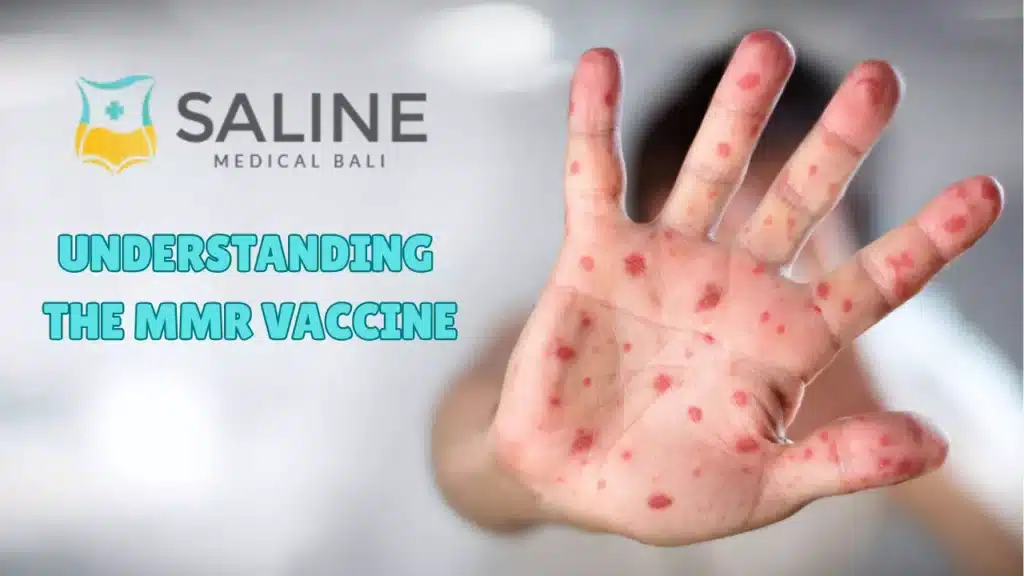
Measles is a highly contagious viral disease that spreads easily through coughing, sneezing, or close contact with an infected person. It typically begins with high fever, runny nose, red eyes, and persistent coughing, followed by a distinctive red rash that spreads across the body. In severe cases, measles can lead to serious complications such as pneumonia, brain inflammation (encephalitis), permanent disability, and even death, especially in young children and individuals with weakened immune systems.
Mumps
Mumps is a viral infection best known for causing painful swelling of the salivary glands, particularly near the jawline and below the ears. In addition to facial swelling, individuals may experience fever, headache, muscle aches, fatigue, and loss of appetite. Although often mild, mumps can lead to complications such as meningitis, inflammation of the testicles (orchitis) in males, inflammation of the ovaries in females, and in rare cases, hearing loss.
Rubella
Rubella, also known as German measles, is generally a mild viral illness that causes low-grade fever, rash, and swollen lymph nodes, particularly in children. Many cases may even go unnoticed because symptoms can be very mild. However, rubella becomes extremely dangerous if contracted during pregnancy, as it can cause miscarriage, stillbirth, or serious birth defects known as congenital rubella syndrome, affecting the baby’s heart, brain, eyes, and hearing.
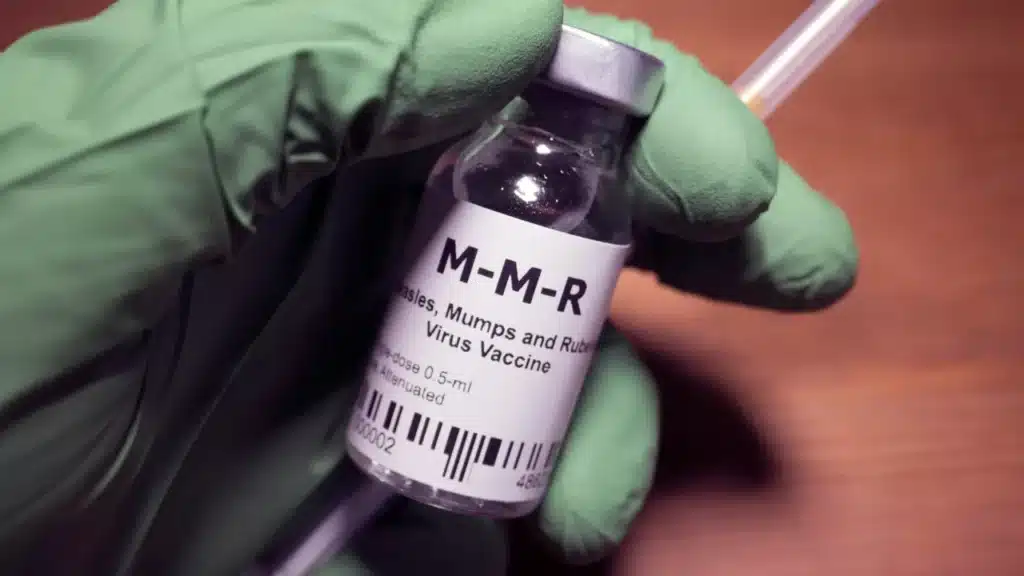
The vaccine contains live attenuated (weakened) strains of these viruses that are strong enough to stimulate the immune system, but not strong enough to cause disease in healthy individuals.
How the MMR Vaccine Works
When administered, the MMR vaccine mimics a natural infection in a controlled and safe way by introducing weakened (attenuated) forms of the measles, mumps, and rubella viruses into the body. These weakened viruses are not strong enough to cause the actual diseases in healthy individuals, but they are sufficient to stimulate the immune system to respond. Once inside the body, the immune system recognizes the vaccine components as foreign invaders and begins producing specific antibodies and activating immune cells designed to fight each virus. This process also creates immune memory, meaning the body “remembers” how to defend itself. If a vaccinated person is later exposed to the real measles, mumps, or rubella virus, the immune system can respond quickly and effectively, neutralizing the virus before it causes serious illness. As a result, the MMR vaccine provides strong, long-term protection and significantly reduces the risk of infection, complications, and disease transmission within the community.
Why MMR Vaccination Is So Important

Understanding the importance of MMR vaccination goes beyond simply preventing common childhood illnesses. Measles, mumps, and rubella are not harmless infections; they are highly contagious viral diseases that can spread quickly and lead to serious health complications, long-term disabilities, and even death. Vaccination plays a critical role in breaking the chain of transmission, protecting vulnerable populations, and maintaining overall community health. By examining how the MMR vaccine prevents outbreaks, reduces severe complications, and lowers the burden on public health systems, we can better appreciate why maintaining high immunization coverage remains a global health priority.
1. Protects Against Highly Contagious Diseases
Measles, mumps, and rubella are highly contagious and can spread rapidly, especially among unvaccinated individuals. Before the vaccine era, large outbreaks were common.
Even today, when immunization levels drop, outbreaks can resurge — as seen in recent measles outbreaks in parts of the United Kingdom due to lower vaccine coverage.
2. Prevents Serious Complications
Without vaccination, these diseases can lead to:
- Measles: Pneumonia, brain swelling (encephalitis), deafness, blindness, and even death.
- Mumps: Meningitis, hearing loss, inflammation of testicles or ovaries.
- Rubella: Miscarriage and birth defects, especially when contracted during early pregnancy.
3. Reduces Public Health Burden
MMR vaccination not only protects individuals but contributes to herd immunity — reducing disease transmission and protecting people who cannot be vaccinated, such as infants or those with certain medical conditions. High vaccination coverage interrupts the spread of vaccine-preventable diseases.
MMR Vaccination Schedule

Treatment and immunization schedules for the MMR vaccine may vary slightly depending on national health policies, but most global health authorities follow a similar two-dose recommendation. The first dose is typically administered when a child is between 12 and 15 months old. At this age, maternal antibodies that may interfere with the vaccine have usually decreased, allowing the child’s immune system to respond effectively. The second dose is generally given between 4 and 6 years of age, often before the child enters school. This second dose is not a booster in the traditional sense, but rather ensures full immunity for the small percentage of children who may not have developed adequate protection after the first dose.
For adolescents and adults who were never vaccinated, did not complete the recommended schedule, or lack documented proof of immunity, catch-up vaccination is strongly advised. In these cases, two doses of the MMR vaccine are typically administered at least four weeks apart to provide optimal protection. This recommendation is especially important for individuals at higher risk of exposure, such as healthcare workers, international travelers, university students, and women planning pregnancy. Ensuring proper vaccination at any age helps prevent outbreaks and strengthens overall community immunity.
Effectiveness of the MMR Vaccine
The MMR vaccine has an excellent effectiveness profile, providing approximately 97% protection against measles, 97% against rubella, and about 88% against mumps after the recommended two doses. This high level of protection means that most vaccinated individuals develop strong, long-lasting immunity and are unlikely to become infected even if exposed. As a result, widespread use of the MMR vaccine has dramatically reduced the incidence of these diseases compared to the pre-vaccine era, significantly lowering complications, hospitalizations, and deaths worldwide.
Safety Profile and Side Effects
Like any medical intervention, the MMR vaccine can cause side effects, but most are mild and temporary.
Common, Mild Reactions
- Soreness, redness, or swelling at the injection site.
- Mild rash or fever.
- Temporary joint pain or stiffness, especially in teenage or adult women.
Rare but Serious Reactions
Severe allergic reactions or rare neurological complications can occur, but these are extremely uncommon. Health professionals are trained to manage such events if they arise.
Who Should Get the MMR Vaccine?
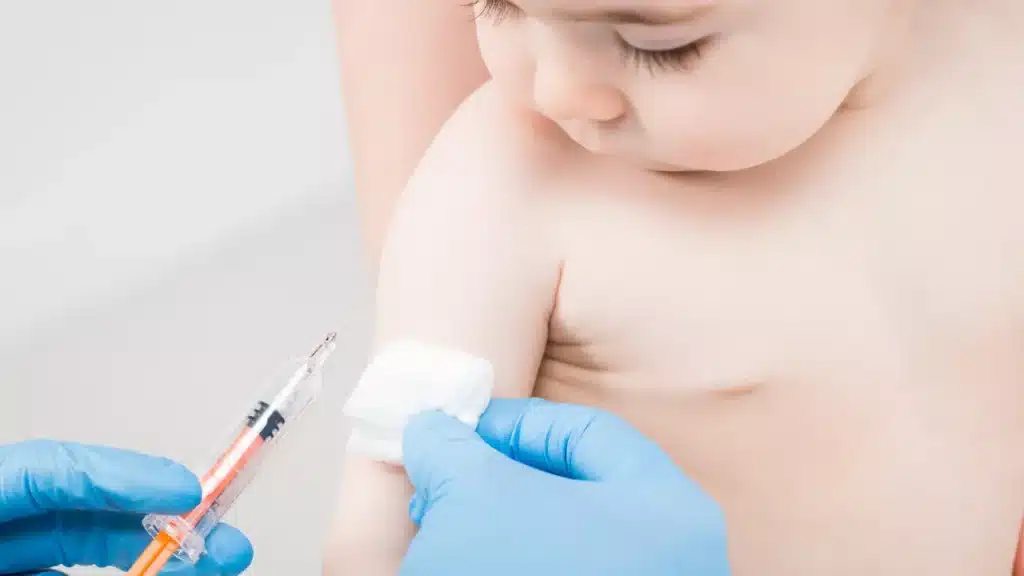
MMR vaccination is broadly recommended as part of routine immunization programs to protect individuals at different stages of life. It is typically first administered to infants and children starting around 12 months of age, when maternal antibodies begin to decline and the child’s immune system is ready to respond effectively to the vaccine. A second dose is usually given later in early childhood to ensure optimal and long-lasting immunity. In addition, adolescents and adults who do not have documented evidence of previous immunization or laboratory-confirmed immunity are also encouraged to receive the MMR vaccine to reduce their risk of infection and prevent potential outbreaks within the community.
Women of childbearing age who are not currently pregnant and lack immunity to rubella are particularly advised to receive the MMR vaccine, as rubella infection during pregnancy can lead to miscarriage or serious birth defects. Ensuring immunity before pregnancy is a crucial preventive step for maternal and fetal health. However, certain groups — including individuals with severe immune disorders, pregnant women, or those with a history of severe allergic reactions to vaccine components — should consult a healthcare provider before vaccination. A medical professional can evaluate individual health conditions and determine whether the MMR vaccine is appropriate or if special precautions are necessary.
Getting Vaccinated: Choosing the Right Clinic
Choosing a trustworthy clinic for vaccination is an essential step in ensuring both safety and effectiveness. Vaccination is not only about receiving an injection; it also involves proper medical screening, correct vaccine storage and handling, accurate dosage administration, and professional post-vaccination monitoring. A reputable clinic follows strict medical protocols, maintains high hygiene standards, and provides clear information about benefits, possible side effects, and aftercare. These factors significantly contribute to a safe and comfortable vaccination experience for both children and adults.
In Bali, selecting a reliable healthcare provider becomes even more important for residents, expatriates, and travelers seeking international-standard medical services. One clinic that stands out for offering professional MMR vaccination services — including the trusted MMR II vaccine — is Saline Bali Clinic. Known for its experienced medical team and patient-centered approach, the clinic provides comprehensive consultation and quality care to ensure every patient receives proper immunization in a safe and supportive environment.
Saline Bali Clinic
Saline Bali Clinic provides professional vaccination services using MMR II vaccine, one of the most widely used and internationally recognized formulations for measles, mumps, and rubella protection. Their approach includes:
- Thorough medical assessment before vaccination, especially for first-time patients.
- Trained medical personnel experienced in administering vaccines safely.
- Comfortable and supportive vaccination environment.
- Clear guidance on post-vaccination care and side effects.
For more detailed information on MMR II vaccine services at Saline Bali Clinic.
Choosing a reputable clinic for your immunization needs — especially for something as important as the MMR vaccine — can help ensure peace of mind and optimal protection.
A Simple Shot with Lifelong Benefits

The MMR vaccine continues to be one of the most effective and safe vaccines in public health. By immunizing against measles, mumps, and rubella — three highly contagious and potentially serious diseases — it helps protect individuals and entire communities.
Whether you are vaccinating a child for the first time or ensuring your own immunizations are up to date, understanding the MMR vaccine’s benefits, safety, and importance empowers you to make informed health decisions.
For trusted care and MMR vaccination services — including the reputable MMR II vaccine — consider Saline Bali Clinic as your preferred partner in lifelong health.
Frequently Asked Questions

What is the MMR vaccine used for?
The MMR vaccine is used to protect against three viral diseases: measles, mumps, and rubella. It helps the immune system develop antibodies that prevent infection and reduce the risk of serious complications. The vaccine is commonly included in routine childhood immunization programs worldwide.
How many doses of the MMR vaccine are required?
The standard recommendation is two doses. The first dose is usually given at 12–15 months of age, and the second dose at 4–6 years old. Adolescents and adults who have not been vaccinated may also need two doses spaced at least four weeks apart.
Is the MMR vaccine safe?
Yes, the MMR vaccine has been extensively studied and proven to be safe and effective. Most side effects are mild, such as temporary fever or soreness at the injection site. Serious side effects are extremely rare.
Can adults receive the MMR vaccine?
Yes, adults who do not have documented evidence of vaccination or immunity can receive the MMR vaccine. It is especially recommended for healthcare workers, travelers, university students, and women planning pregnancy (but not during pregnancy).
Why is the MMR vaccine important for public health?
The MMR vaccine not only protects individuals but also contributes to herd immunity. High vaccination coverage reduces the spread of measles, mumps, and rubella, protecting vulnerable groups such as infants and individuals with weakened immune systems.