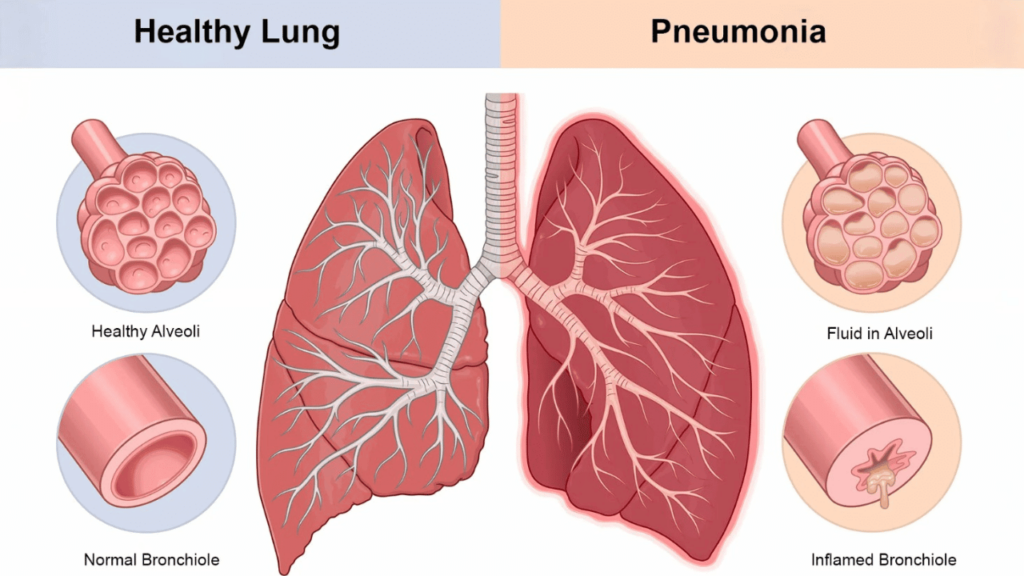
Pneumonia remains one of the most common yet potentially serious respiratory infections affecting people of all ages worldwide. Characterized by inflammation of the air sacs in the lungs, the condition can range from mild to life-threatening, especially in vulnerable groups such as infants, older adults, and individuals with weakened immune systems. Understanding what causes pneumonia, recognizing its symptoms early, and knowing the available preventive options—such as pneumonia vaccine—are essential steps in protecting yourself and your loved ones. Saline Bali Clinic is committed to raising awareness and providing reliable solutions for pneumonia prevention and treatment through professional care and trusted vaccines like PREVENAR.
What is Pneumonia?
Pneumonia is an inflammatory condition that affects the air sacs (alveoli) in one or both lungs, most commonly triggered by an infection. When harmful microorganisms such as bacteria, viruses, or fungi invade the lungs, the alveoli can become swollen and filled with fluid or pus. This buildup interferes with normal breathing, making it harder for oxygen to enter the bloodstream and for carbon dioxide to be expelled. As a result, individuals with pneumonia may experience shortness of breath, chest discomfort, and a general decline in respiratory function. Because the infection disrupts the lungs’ ability to supply oxygen efficiently, timely identification and treatment are essential to prevent further complications.
The severity of pneumonia can vary widely depending on its cause, the patient’s age, and overall health condition. Some cases may present with mild symptoms that resemble a common cold, while others can escalate rapidly into serious, life-threatening illness. Bacterial pneumonia, for example, often causes more intense symptoms and may require prompt medical intervention. Vulnerable groups—such as young children, older adults, and those with weakened immune systems—are more susceptible to severe complications. Understanding the different forms of pneumonia and their potential risks is crucial in ensuring early detection, appropriate treatment, and effective prevention.
What Causes Pneumonia?
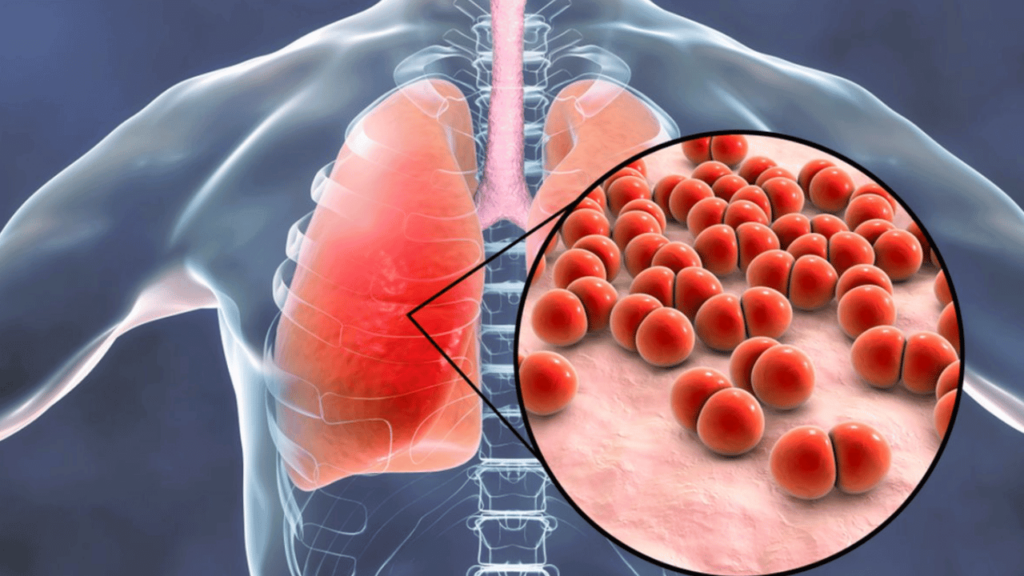
Pneumonia can develop from many different sources, making it important to understand the various factors that contribute to this lung infection. While most cases are caused by microorganisms entering and inflaming the air sacs in the lungs, the type of pathogen involved greatly influences how severe the illness may become. Recognizing these causes not only helps in early detection but also guides proper treatment and preventive strategies. The following sections break down the main triggers of pneumonia in more detail.
Bacteria
Bacterial pneumonia is one of the most common and potentially serious forms of the condition. It is often caused by Streptococcus pneumoniae—also known as pneumococcus—which can infect the lungs after entering the respiratory system. This type of pneumonia may develop suddenly, leading to high fever, productive cough, rapid breathing, and chest pain. Bacterial infections tend to cause more severe inflammation because the bacteria multiply quickly and trigger an aggressive immune response. Individuals with weakened immunity, chronic illnesses, or exposure to environments with high bacterial presence may face an even greater risk. Fortunately, prompt antibiotic treatment and proper vaccination can help reduce both severity and transmission.
Viruses
Many cases of pneumonia develop from viral infections, especially those affecting the upper respiratory tract. Viruses such as influenza, respiratory syncytial virus (RSV), or even certain strains of coronavirus can spread from the nose and throat into the lungs, causing inflammation. Viral pneumonia is often milder than bacterial pneumonia but can still lead to serious complications in young children, older adults, and people with compromised immune systems. Symptoms may begin similarly to the common flu—fever, dry cough, body aches—but can progress as the infection moves deeper into the lungs. Because viruses do not respond to antibiotics, treatment focuses on rest, hydration, symptom management, and in some cases antiviral medication.
Fungi
Although less common, fungi can also be a source of pneumonia, particularly in individuals with weakened immune defenses. Fungal pneumonia often develops when spores from the environment—such as from soil, bird droppings, or decaying organic matter—are inhaled into the lungs. Conditions like HIV/AIDS, cancer treatments, or long-term use of immunosuppressants can make a person more vulnerable to this type of infection. Unlike bacterial or viral pneumonia, fungal pneumonia may progress slowly and is often more challenging to diagnose because symptoms mimic other respiratory illnesses. Treatment usually involves antifungal medications and requires close medical supervision, especially in severe cases.
Other Non-Infectious Causes
Pneumonia-like inflammation can also occur without infection, arising from chemical or physical irritation to the lungs. For example, aspiration pneumonia develops when food, liquids, saliva, or vomit accidentally enters the lungs, triggering an inflammatory reaction. This is more common in individuals with swallowing difficulties or impaired consciousness. Exposure to toxic fumes, pollutants, or certain occupational hazards can also damage lung tissue and cause symptoms similar to pneumonia. Even though these cases are non-infectious, they still require medical attention, as untreated inflammation can lead to long-term lung damage or secondary infections.
Post-Respiratory Infection Pneumonia
In many situations, pneumonia develops as a complication following another respiratory illness such as a cold, flu, or upper respiratory infection. When the body is already weakened by a viral or bacterial infection, the lungs become more vulnerable, allowing pathogens to travel deeper into the respiratory system. Once they reach the alveoli, they can multiply and trigger a more serious infection. This progression is especially common during seasonal flu outbreaks or in individuals with low immunity. Early treatment of initial respiratory infections, along with preventive measures like vaccination and good hygiene, can greatly reduce the risk of pneumonia developing as a secondary illness.
Understanding the diverse causes of pneumonia helps highlight why prevention, early recognition, and proper medical care are so important. Whether triggered by bacteria, viruses, fungi, or other contributing factors, pneumonia can escalate rapidly if left untreated. By knowing how different pathogens affect the lungs, individuals can take proactive steps to protect themselves—such as maintaining good respiratory hygiene, seeking timely medical attention, and receiving recommended vaccinations. With the right awareness and preventive care, the risk of serious pneumonia-related complications can be significantly reduced.
Common Symptoms of Pneumonia
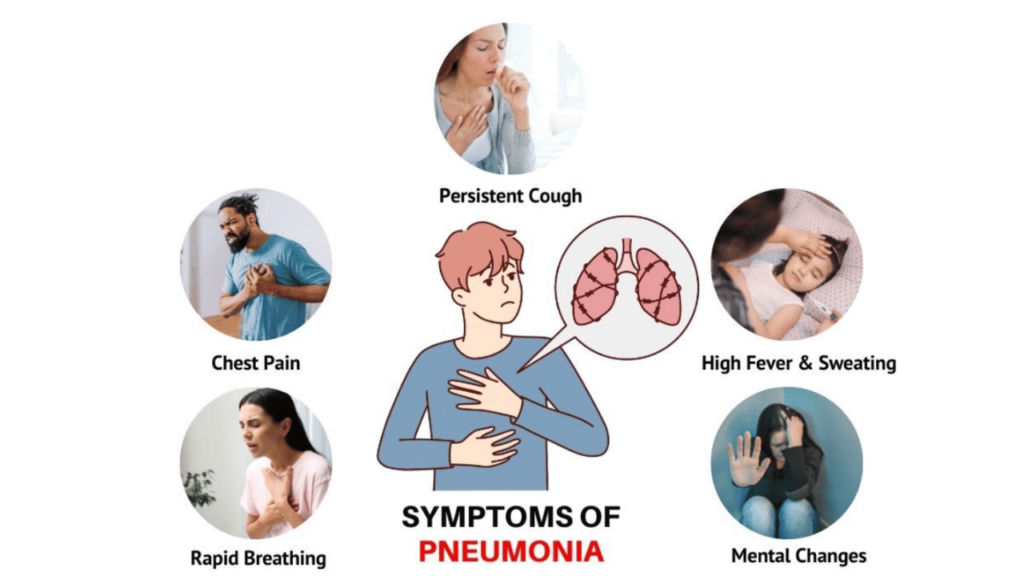
Symptoms of pneumonia can vary depending on severity and the person’s age or overall health. Typical signs include:
- Persistent cough — sometimes producing phlegm or mucus (which may be green, yellow, or even bloody).
- Fever, possibly with chills or sweats.
- Shortness of breath or difficulty breathing.
- Chest pain — especially when breathing or coughing.
- Rapid breathing or rapid pulse.
- Fatigue, weakness, general feeling of being unwell.
In some cases — particularly among the very young, the elderly, or people with weakened immune systems — symptoms may be atypical (e.g., stomach pain, confusion, or lack of obvious fever).
Who Is Most Vulnerable: Age and Risk Groups
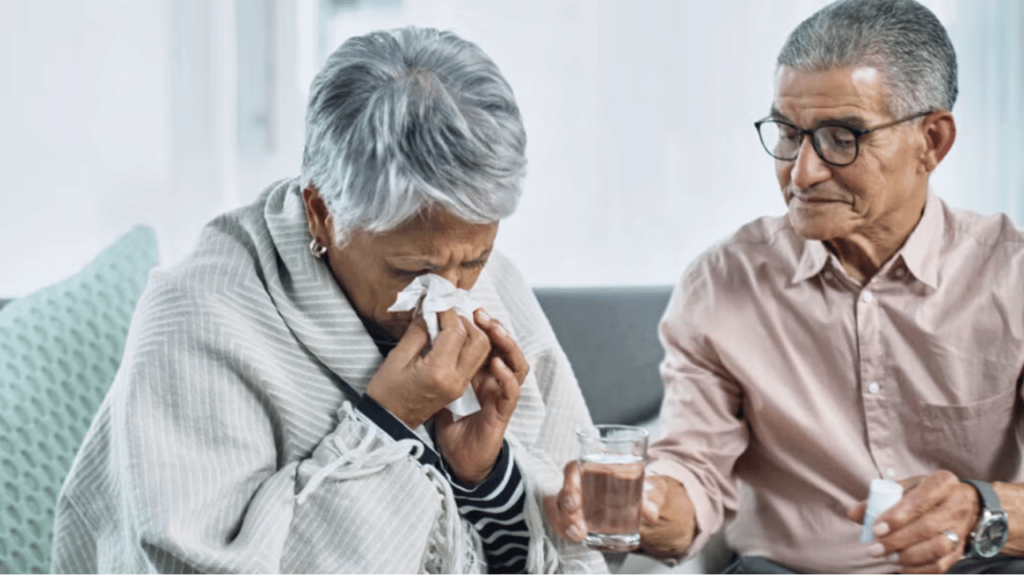
Although pneumonia can strike anyone, certain groups are more vulnerable to severe illness:
- Infants and young children — their immune systems are still developing.
- Older adults (particularly over 65 years old) — natural immune decline and possible comorbidities increase risk.
- Individuals with weakened immune systems or chronic health conditions — for instance, people with chronic diseases (lung disease, diabetes, heart disease), or immunocompromised conditions.
- Those exposed to environmental risks — smoking history, certain occupational exposures, or living conditions may increase risk.
Because of these risk factors, prevention and early intervention are particularly important for these vulnerable groups.
Solutions and Treatment for Pneumonia
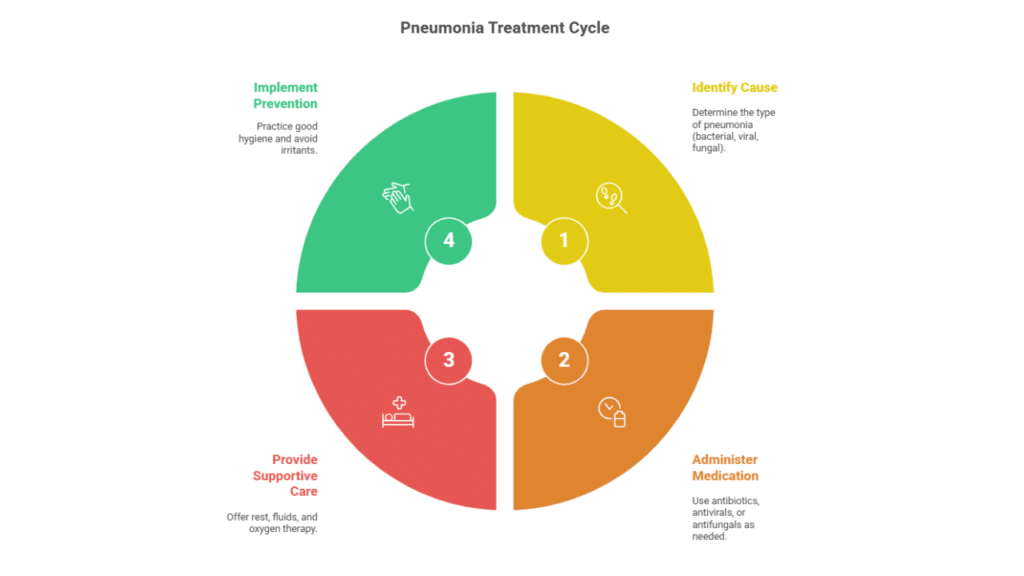
The specific treatment for pneumonia depends on what’s causing it (bacterial, viral, fungal) and how severe it is. General approaches include:
- Antibiotics, if the pneumonia is bacterial
- Antiviral or antifungal medications, if applicable.
- Supportive care, such as rest, fluids, oxygen therapy (if breathing is difficult), and sometimes hospitalization for severe cases.
- Prevention measures — good hygiene (hand washing), avoiding smoking, and reducing exposure to pollutants or respiratory irritants.
Crucially, vaccination plays a major role in reducing the risk of pneumonia, especially those caused by bacteria.
Pneumonia Vaccine at Saline Bali Clinic — PREVENAR
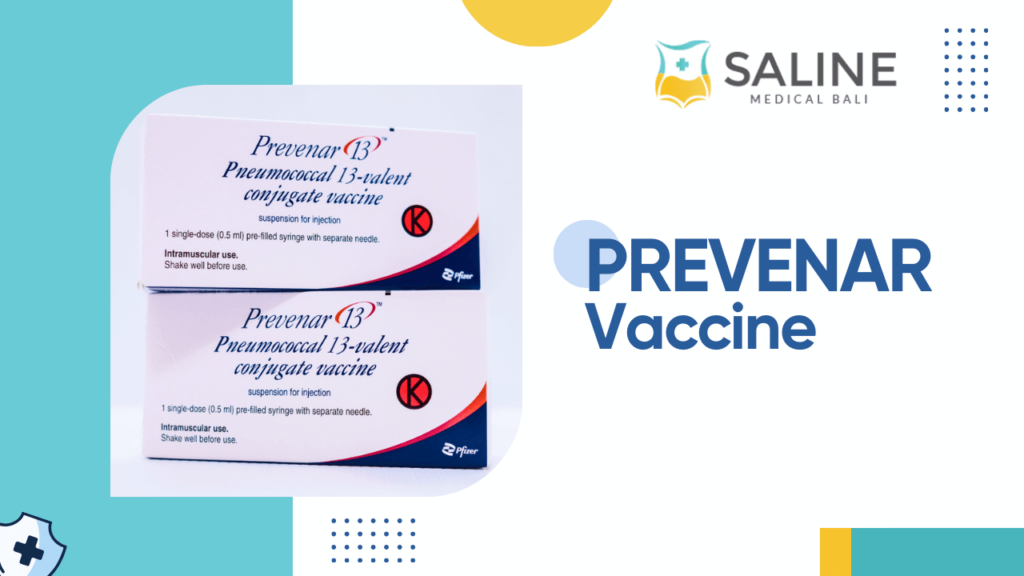
At Saline Bali Clinic, pneumonia prevention is supported through the availability of trusted pneumococcal vaccines such as PREVENAR 13 (PCV13). PREVENAR is a pneumococcal conjugate vaccine designed to protect against 13 serotypes of Streptococcus pneumoniae, the bacteria responsible for many severe respiratory infections. By stimulating the body’s immune system to recognize and fight these harmful strains, the vaccine significantly lowers the risk of developing pneumococcal pneumonia, as well as other dangerous complications including invasive pneumococcal disease, meningitis, and ear infections. Its advanced formulation makes it one of the most effective tools for reducing the burden of pneumococcal illness in both children and adults.
PREVENAR is highly recommended for infants and toddlers as part of their routine immunization schedule, but its benefits extend to older children, adults, and individuals with weakened immune systems or chronic medical conditions. These groups face a much higher risk of severe pneumonia and long-term complications, making preventive vaccination especially important. By offering PREVENAR at their clinic, Saline Bali Clinic provides a reliable and convenient way for families and individuals to strengthen their protection against pneumococcal disease. Through proactive vaccination services, the clinic helps safeguard the health of the community and supports long-term respiratory wellness for people of all ages.
Why Choose Saline Bali Clinic for Pneumonia Care

If you or your loved ones are at risk of pneumonia, or if you want to take proactive steps through preventive vaccination, Saline Bali Clinic offers reliable support and professional medical care. The clinic provides thorough evaluations to identify your individual risk factors and guide you toward the most suitable preventive measures. Early vaccination—especially with PREVENAR—plays a crucial role in reducing the likelihood of severe pneumococcal infection, making it an important step for both vulnerable individuals and anyone looking to strengthen their respiratory health.
By choosing Saline Bali Clinic, you gain access to comprehensive services that prioritize your safety and well-being. These include expert medical advice, personalized risk assessments, and access to pneumococcal vaccination options tailored to your age and health needs. The clinic also provides proper follow-up care to ensure ongoing protection and support, helping you prevent pneumonia effectively and maintain long-term lung health.
Contact Saline Bali Clinic for Proper Pneumonia Management
Don’t wait until symptoms become severe—taking preventive steps early can make a significant difference in protecting your health. If you need evaluation, treatment, or vaccination for pneumonia, contacting Saline Bali Clinic is a wise decision. Their trained medical team can assess your risk, administer the appropriate pneumococcal vaccine, and provide expert guidance on effective prevention and treatment strategies, ensuring you and your loved ones have the best possible chance of staying healthy and protected.
Frequently Asked Questions

What is a pneumonia vaccine and how does it work?
A pneumonia vaccine helps protect against infections caused by Streptococcus pneumoniae (pneumococcus), a common bacterial cause of pneumonia. The vaccine stimulates the immune system to recognize and fight pneumococcal bacteria, reducing the risk of severe lung infections and related complications such as meningitis and bloodstream infections.
Who should get the pneumonia vaccine?
The pneumonia vaccine is recommended for infants, young children, adults aged 65 and older, and individuals with weakened immune systems or chronic health conditions such as diabetes, heart disease, or lung disorders. Adults aged 19–64 with certain risk factors may also benefit from vaccination based on their doctor’s recommendation.
Are there different types of pneumonia vaccines?
Yes. The two main types are PCV (Pneumococcal Conjugate Vaccine)—such as PREVENAR 13—and PPSV (Pneumococcal Polysaccharide Vaccine). PCV protects against multiple pneumococcal strains and is commonly given to children and high-risk adults, while PPSV offers broader strain coverage and is typically recommended for older adults or specific medical conditions.
Is the pneumonia vaccine safe, and are there any side effects?
The pneumonia vaccine is considered very safe and widely used worldwide. Most side effects are mild and temporary, such as soreness at the injection site, low fever, or fatigue. Serious side effects are extremely rare. Healthcare providers can help determine whether the vaccine is appropriate for each individual based on age and health status.
How long does protection from the pneumonia vaccine last?
Protection from PCV vaccines like PREVENAR 13 is long-lasting and often provides immunity for many years, especially when given in early childhood. For adults receiving PPSV, protection typically lasts around five years, and a booster may be recommended depending on age or risk level. A medical consultation can ensure you receive the correct schedule for optimal protection.