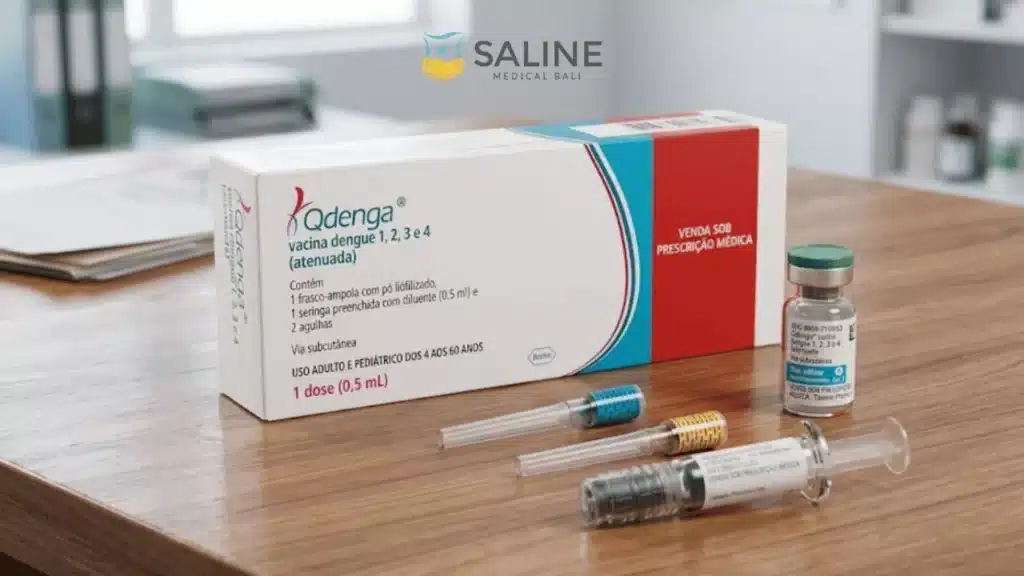
Bali is one of the world’s most popular travel destinations, attracting millions of visitors each year with its stunning beaches, rich culture, and vibrant lifestyle. However, alongside its beauty, Bali also faces a significant public health concern: dengue fever.
As a tropical island, Bali provides an ideal environment for mosquitoes—especially the Aedes aegypti species responsible for transmitting dengue virus. With increasing cases reported annually, both residents and travelers must be aware of the risks and preventive measures available. One of the most promising advancements in dengue prevention is the Qdenga Bali vaccine, now available in Indonesia.
Understanding Dengue Fever

Dengue fever is a viral infection transmitted through the bite of infected Aedes mosquitoes. It is common in tropical and subtropical regions, including Indonesia.
Symptoms of Dengue Fever
Dengue often starts suddenly and may include:
- High fever
- Severe headache
- Joint and muscle pain (often called “breakbone fever”)
- Nausea and vomiting
- Skin rash
- Fatigue
In most cases, symptoms improve within a few days. However, severe dengue can lead to complications such as bleeding, organ failure, and even death.
According to health sources, dengue is present year-round in Bali, with higher transmission during the rainy season due to increased mosquito breeding sites.
Dengue Fever in Bali: Why It Matters
Bali is globally celebrated for its breathtaking landscapes, vibrant culture, and thriving tourism industry. However, behind its tropical charm lies an important health concern that should not be overlooked—dengue fever. As a mosquito-borne disease prevalent in many tropical regions, dengue continues to pose a consistent risk in Bali. For both residents and international travelers, understanding why dengue fever matters is essential for ensuring a safe and enjoyable stay on the island.
A High-Risk Tropical Destination
Bali’s climate—warm, humid, and tropical—creates ideal conditions for mosquito populations to thrive. The island experiences dengue cases consistently, affecting both locals and tourists.
Research has shown that all four dengue virus serotypes circulate in Bali, making repeated infections possible and increasing the risk of severe disease.
Impact of Tourism
As an international tourism hub, Bali sees millions of visitors from around the world. This contributes to:
- Increased exposure to dengue virus
- Potential spread across regions
- Higher demand for preventive healthcare services
Health authorities in Bali strongly recommend vaccination and preventive measures to reduce transmission risks.
What is Qdenga?
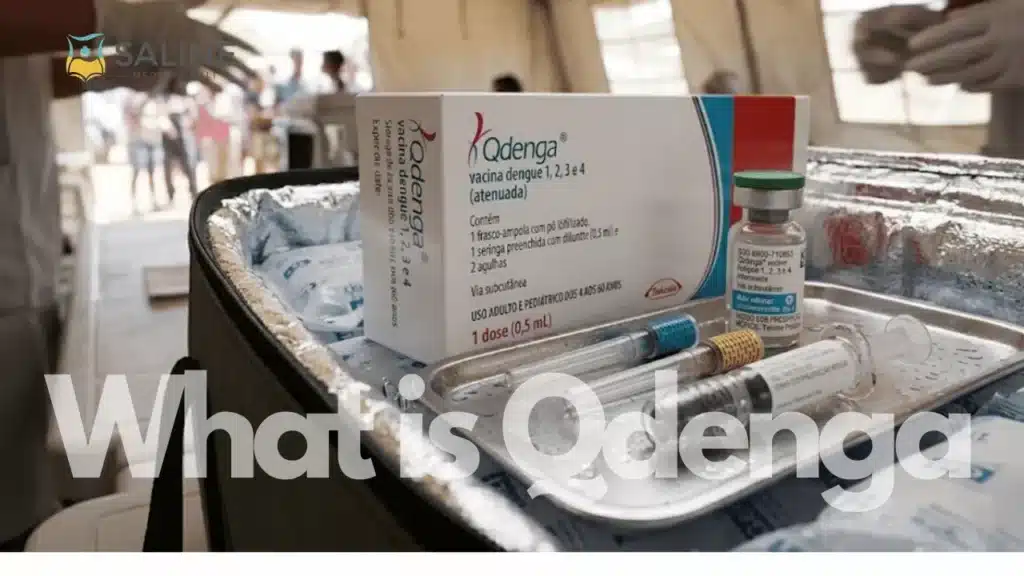
Qdenga is a next-generation dengue vaccine designed to provide comprehensive protection against dengue fever, one of the most widespread mosquito-borne diseases in tropical regions like Bali. As dengue cases continue to rise globally, the development of effective vaccines has become a major breakthrough in preventive healthcare. Qdenga stands out as a modern solution, offering broader protection and improved accessibility compared to earlier dengue vaccines.
Developed using advanced medical research, Qdenga is specifically formulated to protect against all four serotypes of the dengue virus, which is crucial in regions where multiple strains circulate simultaneously. This makes it particularly relevant for areas like Bali, where repeated infections are possible and can lead to more severe health complications.
Key Features of Qdenga
- A live attenuated tetravalent vaccine
- Protects against dengue virus types 1, 2, 3, and 4
- Approved in Indonesia by BPOM
- Suitable for individuals aged 6 to 45 years
- Administered in two doses, spaced three months apart
Unlike earlier dengue vaccines, Qdenga does not require prior dengue infection, making it more accessible to a broader population.
How Qdenga Works
Qdenga stimulates the immune system by introducing weakened forms of the dengue virus. This helps the body develop immunity without causing the disease.
Once vaccinated, the immune system can:
- Recognize dengue virus quickly
- Produce antibodies efficiently
- Reduce the severity of infection if exposed
This is especially important because secondary dengue infections are often more severe than the first.
Who Should Get Qdenga in Bali?

In a dengue-endemic destination like Bali, vaccination is not only a preventive measure but also a proactive step toward safeguarding your health. Due to the island’s year-round mosquito activity and consistent dengue transmission, many individuals both residents and visitors—can benefit from getting the Qdenga Bali vaccine. Understanding who should receive the vaccine helps ensure better protection and reduces the risk of severe illness.
Recommended Groups
Qdenga Bali vaccination is recommended for:
- Residents living in dengue-endemic areas
- Travelers planning extended stays in Bali
- Individuals frequently exposed to outdoor environments
- Families with children (within approved age range)
Travelers to Bali
Even short-term visitors are not completely risk-free. Tourists often underestimate the presence of dengue in Bali, especially when staying in popular areas such as Seminyak, Canggu, or Ubud. However, mosquitoes carrying the dengue virus can be found in both urban and rural settings.
Because of this, health experts recommend that travelers consider vaccination at least 6–8 weeks before departure. This allows enough time to begin building immunity and, if possible, schedule the second dose for optimal protection.
For travelers who visit Bali frequently or plan to return in the future, completing the full Qdenga Bali vaccination schedule can provide longer-term peace of mind. Combined with standard mosquito precautions, vaccination offers a significantly stronger defense against dengue infection while enjoying everything Bali has to offer.
4 Benefits of Qdenga Bali Vaccination

As dengue fever continues to pose a significant health risk in tropical destinations like Bali, prevention has become more important than ever. Vaccination plays a crucial role in reducing both the spread and severity of the disease. The introduction of Qdenga Bali vaccination marks a major advancement in dengue prevention, offering broader protection and greater accessibility for both residents and travelers. Understanding its key benefits can help individuals make informed decisions about their health while living in or visiting Bali.
1. Protection Against Multiple Serotypes
Dengue virus is unique in that it consists of four different serotypes—DENV-1, DENV-2, DENV-3, and DENV-4. Infection with one type does not provide immunity against the others, meaning a person can be infected multiple times throughout their life. In fact, secondary infections are often associated with a higher risk of severe complications.
Qdenga’s tetravalent design is specifically developed to address this challenge by providing protection against all four serotypes. This broad coverage is particularly important in Bali, where all dengue strains are known to circulate. By targeting multiple serotypes at once, Qdenga helps reduce the overall risk of infection and reinfection.
2. Reduced Risk of Severe Dengue
While many dengue cases are mild, some can progress into severe dengue, which can lead to serious complications such as internal bleeding, organ impairment, and even death if not treated promptly. Severe dengue is more likely to occur during a second infection with a different serotype.
Qdenga vaccination helps the body build a stronger immune response, which can significantly reduce the risk of developing severe forms of the disease. Even if a vaccinated individual becomes infected, the symptoms are more likely to be milder and manageable. This added layer of protection is especially valuable in areas like Bali, where access to immediate medical care may vary depending on location.
3. Suitable Without Prior Infection
One of the major limitations of earlier dengue vaccines was the requirement for individuals to have had a prior dengue infection before receiving the vaccine. This made eligibility more complicated and restricted its use among many people.
Qdenga overcomes this barrier by being suitable for individuals regardless of their dengue history. Whether someone has previously been infected or not, they can still receive the vaccine safely. This makes Qdenga a more inclusive and practical option for a wider population, including first-time visitors to Bali who may not have prior exposure to dengue.
4. Long-Term Prevention Strategy
Dengue cases have been increasing globally due to factors such as climate change, urbanization, and increased international travel. In high-risk areas like Bali, relying solely on mosquito control measures is often not enough to fully prevent transmission.
Vaccination with Qdenga represents a long-term prevention strategy that complements other protective measures. By building immunity at the individual level, it also contributes to broader public health efforts in reducing dengue transmission. For residents, frequent travelers, and expatriates, Qdenga Bali vaccination offers a proactive way to stay protected over time while supporting community health resilience.
Are There Any Side Effects?
Like most vaccines, Qdenga may cause mild side effects, such as:
- Pain at injection site
- Mild fever
- Headache
- Fatigue
These effects are usually temporary and resolve within a few days. Serious side effects are rare.
Why Dengue Vaccination is Important in Bali

In a globally connected and tropical destination like Bali, protecting yourself from dengue fever is more than just a precaution—it is a necessity. With rising case numbers worldwide and consistent local transmission on the island, dengue remains a persistent health threat for both residents and visitors. Unlike many other illnesses, dengue has no specific antiviral cure, making prevention the most effective strategy. This is why vaccination, alongside standard mosquito control measures, plays a crucial role in reducing the risk of infection and ensuring safer living and travel experiences in Bali.
Increasing Global Cases
Dengue is rising globally due to climate change, urbanization, and increased travel. Millions of cases are reported annually worldwide.
Bali’s Ongoing Risk
In Bali, dengue is not seasonal alone—it is a continuous health concern. The presence of all virus serotypes and dense population areas increases transmission risk.
Prevention is Better Than Treatment
There is no specific cure for dengue, making prevention critical. Vaccination provides an added layer of protection beyond basic precautions.
Qdenga Bali vs Other Dengue Vaccines
Before Qdenga, Dengvaxia was the primary dengue vaccine available. However, it had limitations, particularly requiring prior infection.
Key Differences
| Feature | Qdenga | Older Vaccines |
| Requires prior infection | No | Yes |
| Coverage | 4 serotypes | Limited |
| Accessibility | Broader | Restricted |
This makes Qdenga a more flexible and widely recommended option.
Saline Bali Clinic: Trusted Healthcare Provider

For those seeking Qdenga Bali vaccination, Saline Bali Clinic is a highly recommended option.
Why Saline Bali Clinic?
Saline Bali Clinic is a trusted healthcare provider known for its professional and experienced medical team, delivering international-standard services for both residents and travelers. With a convenient location and comprehensive vaccination programs, including dengue vaccination, the clinic ensures easy access to quality care. Each patient also receives personalized health consultations, ensuring their specific needs are addressed. By prioritizing safety, comfort, and reliability, Saline Bali Clinic stands out as an ideal choice for dengue vaccination in Bali.
Preparing for Your Vaccination
Before receiving the Qdenga vaccine, it is important to take a few preparatory steps to ensure the process is safe and effective. Start by consulting with a healthcare provider to determine whether the vaccine is suitable for your condition. Be sure to inform the medical team about any existing health issues, allergies, or ongoing treatments. Since Qdenga requires two doses administered three months apart, planning your schedule in advance is essential for optimal protection. Additionally, it is recommended to postpone vaccination if you are feeling unwell, as your body should be in good condition to respond effectively to the vaccine.
Safeguard Your Bali Experience with Qdenga Dengue Protection
Dengue fever remains a significant health risk in Bali, affecting both locals and international visitors. With the availability of Qdenga Bali vaccination, individuals now have a powerful tool to protect themselves against this potentially serious disease.
Understanding the risks, recognizing symptoms, and taking preventive measures—including vaccination—are essential steps toward staying healthy in Bali. Whether you are a resident or a traveler, getting vaccinated at a trusted provider like Saline Bali Clinic can offer peace of mind and enhanced protection.
As Bali continues to thrive as a global destination, prioritizing health and safety ensures that your experience remains enjoyable and worry-free.
FAQ

What is Qdenga Bali vaccine?
Qdenga Bali refers to the dengue vaccine available in Bali that protects against all four types of dengue virus. It is designed to reduce the risk of infection and severe dengue for both residents and travelers.
How many doses of Qdenga are required?
Qdenga requires two doses, administered three months apart. Completing both doses is important to achieve optimal and long-lasting protection.
Can tourists get Qdenga vaccination in Bali?
Yes, many clinics in Bali offer Qdenga vaccination for international travelers. It is recommended to consult a healthcare provider before getting vaccinated.
Is Qdenga safe for people who never had dengue?
Yes, Qdenga can be given regardless of prior dengue infection, making it suitable for individuals who have never been exposed to the virus.
When is the best time to get Qdenga before traveling to Bali?
It is recommended to start vaccination at least 6–8 weeks before travel to allow time for immune response and proper scheduling of doses.