Respiratory infections remain one of the most common health problems affecting people of all ages worldwide. From mild coughs and sore throats to severe lung infections, these conditions can significantly impact daily life and overall well-being. In tropical destinations like Bali, where climate, travel activity, and population movement are high, respiratory infections can spread easily if not properly managed.
One of the most effective ways to prevent complications from respiratory illnesses is early diagnosis. This is where a respiratory infection test plays a crucial role. By identifying the cause of infection accurately and promptly, patients can receive appropriate treatment and prevent further transmission. This article explores respiratory infections in detail, the importance of testing, and why Saline Bali Clinic is a trusted choice for respiratory infection testing in Bali.
Understanding Respiratory Infections
Respiratory infections are illnesses that affect the respiratory system, including the nose, throat, airways, and lungs. They can be caused by viruses, bacteria, or other microorganisms and may vary in severity depending on the individual’s immune system and overall health.
Understanding the nature of respiratory infections is the first step toward effective prevention and treatment. Without proper awareness, many people underestimate symptoms, leading to delayed care and increased risk of complications. Early attention to symptoms and proper testing can significantly reduce health risks.
Recognizing respiratory infections as a common yet potentially serious condition highlights the importance of proactive healthcare measures, including timely respiratory infection tests.
Types of Respiratory Infections: Upper and Lower Tract

Respiratory infections are commonly classified into two main types based on the part of the respiratory system they affect. Understanding the differences between these types helps determine the appropriate treatment and the need for a respiratory infection test.
1. Upper Respiratory Tract Infections (URTI)
Upper respiratory tract infections affect the nose, sinuses, and throat. Common examples include the common cold, sinusitis, pharyngitis, and laryngitis. These conditions are generally mild and often resolve on their own; however, symptoms such as nasal congestion, sore throat, and coughing can still interfere with daily activities. Without proper diagnosis, URTIs may be mistaken for bacterial infections, leading to unnecessary medication use.
2. Lower Respiratory Tract Infections (LRTI)
Lower respiratory tract infections involve the bronchi and lungs and include conditions such as bronchitis and pneumonia. These infections are typically more serious and may cause symptoms like persistent cough, chest pain, shortness of breath, and high fever. Because LRTIs can progress rapidly, early detection and medical intervention are often required to prevent complications.
Identifying whether an infection affects the upper or lower respiratory tract through a respiratory infection test is essential for accurate diagnosis, appropriate treatment, and improved health outcomes.
Common Causes of Respiratory Infections

Respiratory infections can be caused by a combination of infectious agents and environmental factors. Knowing these causes can help individuals recognize risks and take preventive action early.
Main Causes of Respiratory Infections:
- Viral infections, such as influenza, rhinovirus, and respiratory syncytial virus (RSV), which are the most common causes and often spread easily through airborne droplets.
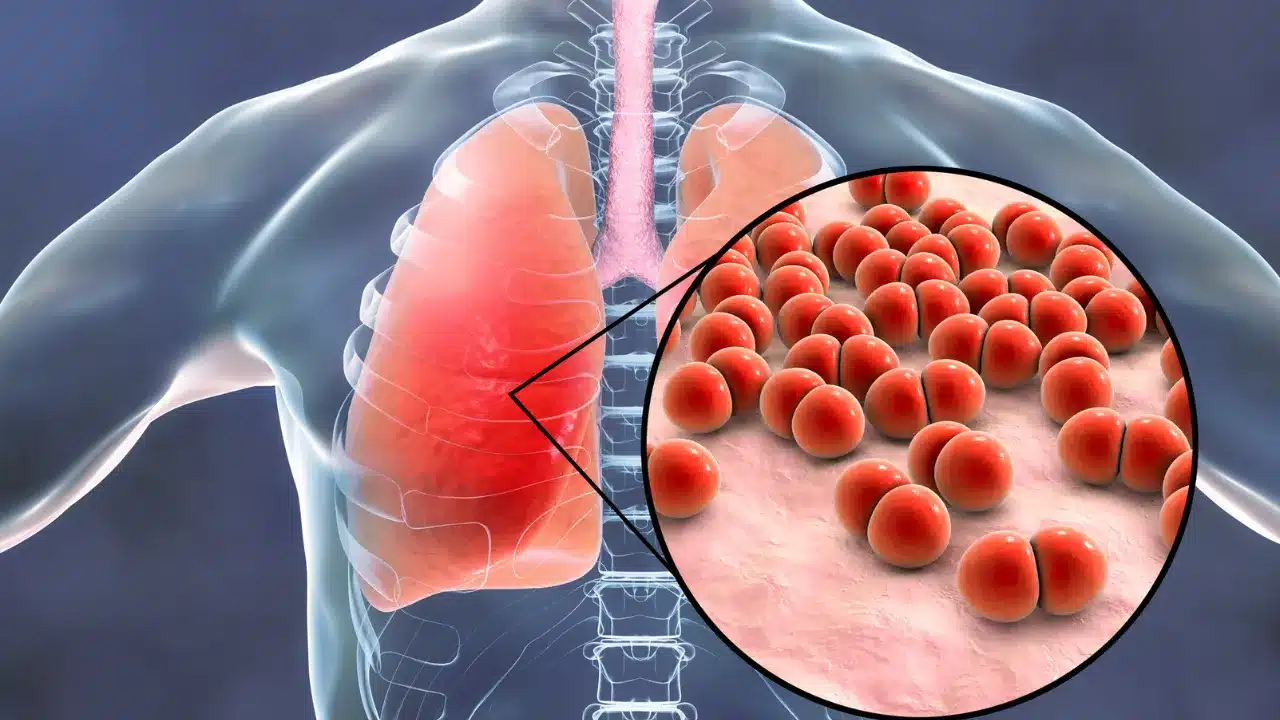
- Bacterial infections, including Streptococcus pneumoniae and Haemophilus influenzae, which tend to occur in more severe cases or as secondary infections following viral illness.
Environmental and Lifestyle Factors:
- Poor air quality and pollution, which can irritate the respiratory tract and weaken natural defenses.
- Smoking and exposure to secondhand smoke, increasing susceptibility to infection.
- Crowded or enclosed environments, where viruses and bacteria spread more easily.
- Close contact with infected individuals, especially without proper hygiene practices.
- Tropical conditions in Bali, including seasonal weather changes and high tourism activity, which may contribute to higher transmission rates.
Understanding the causes of respiratory infections allows individuals to take preventive measures and seek a respiratory infection test promptly when symptoms appear, ensuring timely and effective treatment.
Symptoms That Should Not Be Ignored
Respiratory infection symptoms can vary from mild to severe, depending on the type of infection and the individual’s overall health. Recognizing these symptoms early is essential for timely diagnosis and treatment.
Common Symptoms of Respiratory Infections:
- Cough, which may be dry or produce mucus
- Sore throat and throat irritation
- Runny nose or nasal discharge
- Nasal congestion or blocked nose
- Fever or chills, indicating infection
- Shortness of breath or difficulty breathing
- Fatigue and general weakness
Symptoms That May Indicate a More Serious Condition:
- Chest pain or tightness, especially during breathing or coughing
- Persistent wheezing, which may signal airway involvement
- Symptoms that worsen or last longer than expected, rather than improving over time
While mild symptoms may resolve without treatment, ongoing or worsening symptoms should not be ignored. Delayed diagnosis can lead to complications such as secondary bacterial infections or lung damage, particularly in children, older adults, and individuals with chronic illnesses.
Recognizing early warning signs and choosing to undergo a respiratory infection test can help prevent serious health issues and support faster, safer recovery.
What Is a Respiratory Infection Test?

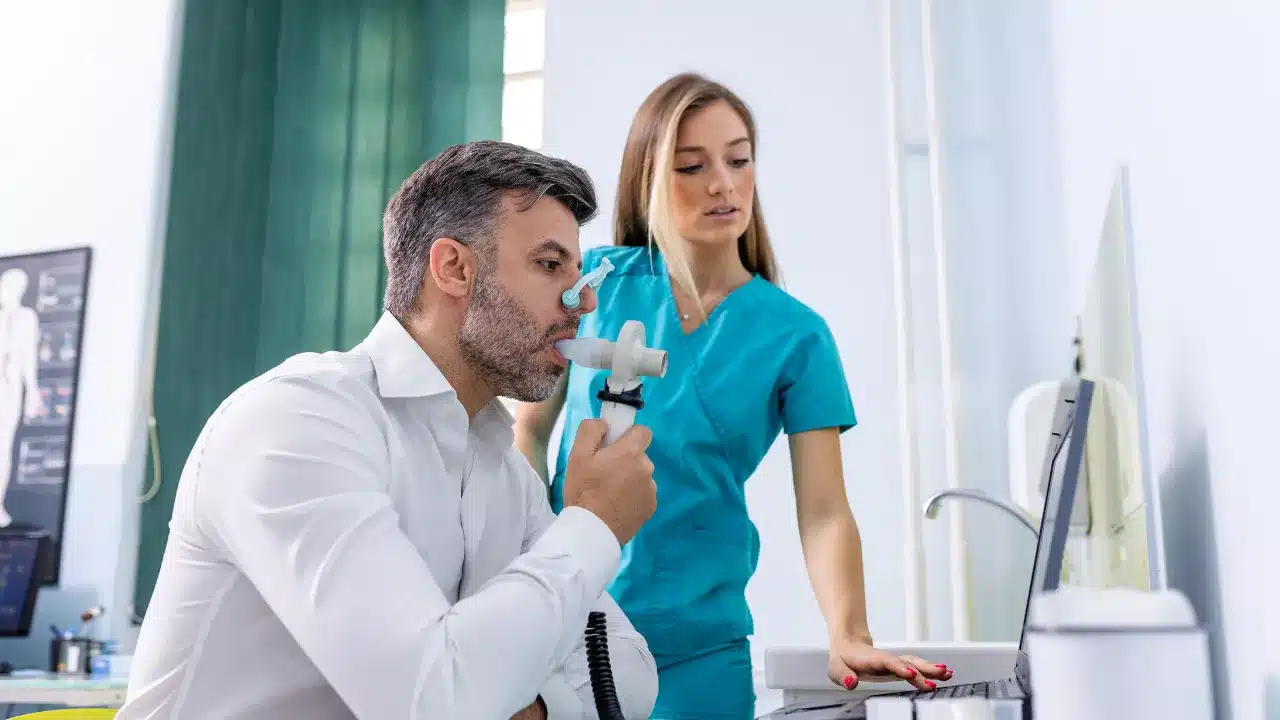
A respiratory infection test is a medical examination performed to identify the exact cause of a respiratory illness. Depending on the patient’s symptoms and the suspected pathogen, the test may involve nasal swabs, throat swabs, blood tests, or imaging studies. These methods help healthcare professionals gather accurate clinical information to determine the nature and severity of the infection.
By accurately detecting whether an infection is caused by a virus or bacteria, respiratory infection tests enable healthcare providers to choose the most appropriate treatment, such as antibiotics, antiviral medication, or supportive care. Proper testing helps prevent misdiagnosis, reduces unnecessary medication use, and ultimately leads to more precise treatment and better patient outcomes.
Types of Respiratory Infection Tests
Several types of respiratory infection tests are available, depending on the suspected condition and clinical symptoms. Rapid antigen tests are commonly used to detect viral infections such as influenza, while PCR tests offer a higher level of accuracy by identifying multiple respiratory pathogens in a single examination.
Blood tests may be performed to evaluate inflammation or determine bacterial involvement, and chest X-rays are often used to diagnose lower respiratory infections such as pneumonia. Choosing the appropriate respiratory infection test based on medical evaluation is essential to ensure accurate diagnosis and guide effective treatment.
The Function and Purpose of Respiratory Infection Testing
The primary function of a respiratory infection test is to accurately identify the cause of symptoms. By determining whether an infection is viral or bacterial, doctors can design more effective and targeted treatment plans, ensuring patients receive the most appropriate care.
To guiding treatment, respiratory infection testing plays an important role in preventing the spread of contagious illnesses. Early detection allows patients to take necessary precautions, such as isolation or preventive measures, helping protect others and supporting both individual health management and broader public health protection.
Benefits of Doing a Respiratory Infection Test
One major advantage of a respiratory infection test is early diagnosis, which allows treatment to begin sooner and leads to faster recovery with fewer complications. With accurate test results, patients receive targeted treatment rather than general medication that may be ineffective or unnecessary.
Another important benefit is cost efficiency. Proper diagnosis helps prevent prolonged illness, repeated clinic visits, and incorrect treatments, ultimately reducing medical expenses. It also contributes to lowering the risk of antibiotic resistance caused by inappropriate use, making respiratory infection testing a valuable investment for medical, financial, and public health benefits.
Who Should Consider Respiratory Infection Testing?

One major advantage of a respiratory infection test is early diagnosis, which allows treatment to begin sooner and leads to faster recovery with fewer complications. With accurate test results, patients receive targeted treatment rather than general medication that may be ineffective or unnecessary.
Another important benefit is cost efficiency. Proper diagnosis helps prevent prolonged illness, repeated clinic visits, and incorrect treatments, ultimately reducing medical expenses. It also contributes to lowering the risk of antibiotic resistance caused by inappropriate use, making respiratory infection testing a valuable investment for medical, financial, and public health benefits.
Respiratory Infection Risks in Tropical Areas Like Bali
Bali’s tropical climate creates conditions that can facilitate the spread of respiratory infections. Factors such as high humidity, seasonal weather changes, and frequent international travel increase exposure to various respiratory pathogens.
Tourists may also experience lowered immunity due to travel fatigue, making them more vulnerable to infection, while local residents face similar risks from population density and environmental influences. In summary, respiratory infection testing in Bali is an essential healthcare service for both residents and visitors to ensure early detection and effective treatment.
Why Early Testing Matters
Early testing allows healthcare providers to take action before respiratory infection symptoms become more severe. With a timely diagnosis, treatment can begin sooner, helping to shorten recovery time and reduce the risk of serious complications such as pneumonia or respiratory failure.
Early respiratory infection testing enables patients to return to their daily activities more quickly while lowering the risk of spreading the infection to others. This proactive approach not only protects individual health but also supports wider community safety and public health.
Preventing Respiratory Infections After Testing
After undergoing a respiratory infection test, prevention remains a crucial part of maintaining respiratory health. Simple practices such as maintaining good personal hygiene, wearing masks in crowded or enclosed areas, and avoiding close contact with individuals who are sick can significantly reduce the risk of infection.
Vaccinations also play an important role in prevention by helping protect against certain respiratory diseases. In addition, adopting healthy lifestyle habits such as balanced nutrition, regular exercise, adequate rest, and proper hydration can strengthen the immune system and improve the body’s ability to fight infections.
By combining accurate testing with consistent preventive measures, individuals can take a more comprehensive and proactive approach to respiratory health, reducing the likelihood of future infections and promoting long-term well-being.
Saline Bali Clinic: Trusted Center for Respiratory Infection Test

Saline Bali Clinic is a reputable healthcare provider in Bali that offers professional and reliable respiratory infection testing services. The clinic is equipped with modern diagnostic technology designed to deliver accurate and timely results for a wide range of respiratory conditions.
Supported by experienced and qualified medical staff, patients at Saline Bali Clinic receive personalized care tailored to their symptoms and medical needs. Clear explanations of test procedures and results are provided, ensuring patients fully understand their health condition and recommended treatment options.
By prioritizing patient comfort, safety, and confidentiality, Saline Bali Clinic has established itself as a trusted destination for respiratory infection tests in Bali, serving both local residents and international visitors with high standards of medical care.
Advantages of Choosing Saline Bali Clinic
Saline Bali Clinic provides fast and accurate respiratory infection test results, enabling timely medical decisions and effective treatment. The clinic adheres to international medical standards, ensuring high-quality care and reliable diagnostic services for every patient.
To quality and speed, Saline Bali Clinic is conveniently located in Bali and easily accessible to both local residents and international visitors. With multilingual staff support and a patient-centered approach, choosing Saline Bali Clinic offers reliable testing, professional care, and lasting peace of mind.
Take Control of Your Respiratory Health
Respiratory infections are common health conditions, but they should never be underestimated. Early detection through a respiratory infection test plays a vital role in ensuring effective treatment, preventing complications, and reducing the spread of infection.
With professional medical services, modern diagnostic facilities, and trusted healthcare expertise, Saline Bali Clinic is an ideal choice in Bali for respiratory infection testing. Taking action early helps protect your health and supports long-term respiratory well-being.
Frequently Asked Questions (FAQ) – Respiratory Infection Test

What is a Respiratory Infection Test?
A Respiratory Infection Test is a medical test used to identify infections affecting the respiratory system, such as the nose, throat, lungs, or airways. It helps detect viruses or bacteria that cause symptoms like cough, fever, sore throat, and difficulty breathing.
What types of infections can this test detect?
Depending on the test method, it can detect common respiratory infections such as influenza (flu), COVID-19, RSV, pneumonia-causing bacteria, and other viral or bacterial pathogens.
How is the Respiratory Infection Test performed?
Most tests are done using a nasal swab, throat swab, or sputum sample. The procedure is quick, minimally invasive, and usually takes only a few minutes to complete.
When should I take a Respiratory Infection Test?
You should consider taking the test if you experience symptoms like persistent cough, fever, shortness of breath, sore throat, or fatigue—especially after close contact with someone who is sick.
How long does it take to get the test results?
Results may be available within a few hours to 1–2 days, depending on the testing method and laboratory processing time. Rapid tests provide faster results, while PCR tests may take longer but offer higher accuracy.