
In recent months, “Superflu Indonesia” has become a growing topic of concern in public health discussions across the country. The term has been widely used by media outlets and the general public to describe a noticeable rise in influenza cases reported in several regions of Indonesia. Despite its alarming name, superflu is not recognized as a new or separate disease in medical terminology. Instead, it refers to increased circulation of influenza A (H3N2), particularly the subclade K variant, which has also been detected in other countries. The heightened attention is largely due to the rapid spread of the virus and increased case detection through national surveillance systems.
Although influenza A (H3N2) is a known seasonal flu virus, its current spread has prompted health authorities to strengthen monitoring, public awareness, and preventive measures. Understanding Superflu Indonesia is important to prevent unnecessary panic and misinformation, while encouraging responsible health behavior. This article aims to explain what Superflu Indonesia really means, how the virus has spread across different provinces, its common symptoms and clinical characteristics, the public health response in Indonesia, and the importance of prevention strategies such as vaccination and hygiene practices to reduce transmission and complications.
What Is Superflu?

The term superflu has gained traction in news and social media, especially in Indonesia, to refer to a surge in influenza A (H3N2) infections that appear more widespread than typical seasonal flu. Medically, this is not a distinct virus or disease category. It is simply influenza — the same family of respiratory viruses that have circulated globally for decades — but described in a way that reflects heightened transmission and public visibility.
Influenza A is one of the main types of flu viruses that cause seasonal outbreaks. Variants like H3N2 are routinely monitored by global health authorities such as the World Health Organization (WHO) due to their potential to change over time through genetic variation. The current public attention to H3N2 subclade K stems from increased case detection and faster person-to-person transmission compared to other strains circulating earlier in the year.
Timeline of Superflu in Indonesia

Indonesia first identified the presence of the virus associated with Superflu Indonesia in August 2025 through its routine national influenza surveillance system. This system continuously monitors cases of Influenza-Like Illness (ILI) and Severe Acute Respiratory Infection (SARI) reported by hospitals, clinics, and community health centers across the country. Suspected samples were further analyzed in designated laboratories, where Whole Genome Sequencing (WGS) was used to confirm the virus subtype and identify genetic variations. Through this molecular approach, health authorities detected influenza A (H3N2) subclade K, allowing for early recognition of the circulating strain and timely public health response.
By the end of December 2025, Indonesia had officially reported at least 62 laboratory-confirmed cases of influenza A (H3N2) subclade K across multiple provinces. While this number remains relatively small when compared to other infectious diseases, the geographic spread of confirmed cases indicates ongoing and active virus transmission within the community. Public health experts emphasize that these figures likely represent only a portion of actual infections, as many mild influenza cases may not seek medical care or undergo laboratory testing. As a result, continuous surveillance and reporting remain essential to track trends, assess risks, and guide preventive measures against Superflu Indonesia.
Geographic Distribution: Spread Across Provinces
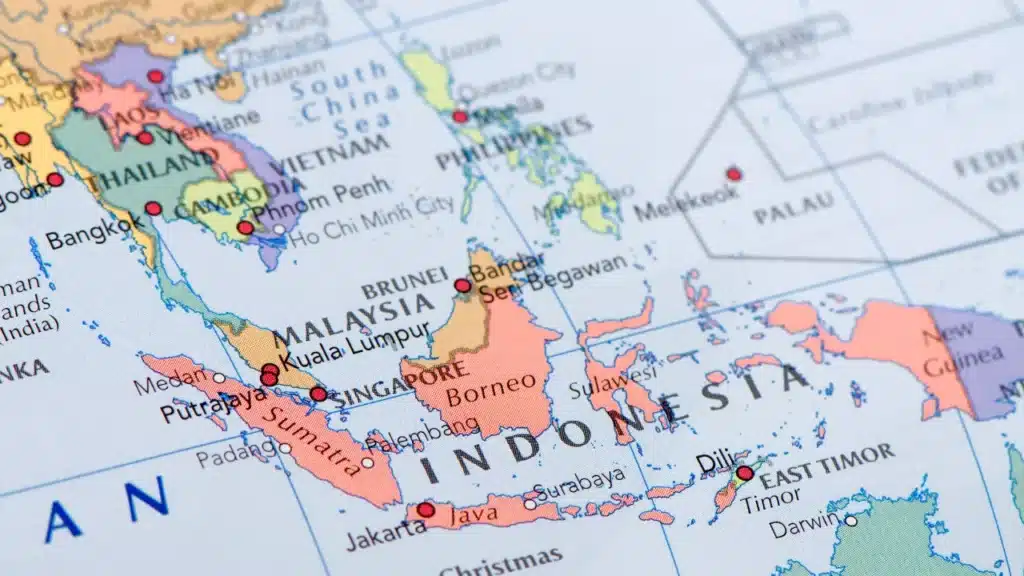
The spread of Superflu Indonesia has not been uniform. As of late 2025, cases were documented in eight provinces, with several regions showing higher detection rates:
- East Java
- South Kalimantan
- West Java
- South Sumatra
- North Sumatra
- Central Java
- North Sulawesi
- Yogyakarta
These provinces have reported varying numbers of cases as part of ongoing surveillance. East Java, South Kalimantan, and West Java are among the areas with the highest concentration of confirmed cases.
Interestingly, Jakarta — Indonesia’s capital — had not reported confirmed superflu cases by early 2026, although local health authorities continue to conduct careful monitoring and increase awareness efforts among the population.
Who Is Affected?
Data from case investigations indicate that this wave of influenza has affected a range of demographic groups. Notably:
- Children and adolescents — frequently among the most affected due to close interactions at schools and relatively lower immunity to circulating strains.
- Women and adults — with a significant portion of confirmed cases reported in adult female populations.
While people of any age can become infected, individuals with weakened immune systems, the elderly, pregnant women, and those with chronic health conditions are generally at higher risk for complications from influenza infections.
Symptoms and Clinical Presentation

The symptoms associated with Superflu Indonesia are largely indistinguishable from typical seasonal influenza, making clinical diagnosis without laboratory testing difficult. Common symptoms include:
- High fever
- Cough and runny nose
- Sore throat
- Headache and muscle aches
- Fatigue and weakness
These symptoms normally develop a few days after exposure and can range from mild to severe. Just like traditional influenza, the virus spreads primarily through respiratory droplets when an infected person coughs, sneezes, or talks, as well as through contact with contaminated surfaces.
Why the Term “Superflu”?
The label “superflu” has gained widespread public attention largely due to perceptions of faster transmission and simultaneous increases in influenza activity in several countries, including Indonesia. Media coverage and social discussions have contributed to the impression that this flu season is more intense than usual, prompting concern among communities. However, health experts emphasize that superflu is not a medical or scientific term. Instead, it is an informal description used to capture public awareness of rising influenza cases. The virus responsible for these infections remains a known influenza A subtype, H3N2, which has circulated globally for many years and is routinely monitored through international influenza surveillance networks.
Both the World Health Organization (WHO) and national health authorities have clarified that, based on current epidemiological and clinical data, the H3N2 subclade K variant does not demonstrate significantly increased severity compared to previously circulating influenza strains. Most individuals infected with this virus experience symptoms consistent with seasonal influenza, such as fever, cough, and fatigue, and recover without serious complications. Importantly, there is no evidence to suggest that this strain causes unusually severe disease or represents a new pandemic threat. These clarifications are essential to reduce unnecessary public anxiety while reinforcing the importance of standard preventive measures, including vaccination, early medical consultation, and responsible health practices during flu season.
Public Health Surveillance and Response

To keep communities safe and prepared, Indonesia’s health ministry and local health offices have taken several measures:
- Enhanced Surveillance: Puskesmas (community health centers) and hospitals are actively monitoring cases of ILI and SARI to detect unusual increases in respiratory illness.
- Whole Genome Sequencing (WGS): Laboratories conduct genetic testing to monitor virus strains and identify emerging patterns.
- Health Education: Authorities are informing the public about influenza symptoms, transmission, and when to seek medical care.
Importantly, health officials have reassured the public that the current situation remains under control and does not pose the same level of threat as COVID-19, although vigilance is still vital.
Community Prevention and Personal Protection
Preventing the spread of influenza — including what people refer to as superflu — depends largely on standard infection control practices, which are familiar from seasonal flu campaigns and past respiratory disease responses:
Vaccination
Annual influenza vaccination remains one of the most effective tools to reduce the severity of illness and hospitalizations, especially for vulnerable groups such as:
- The elderly
- Very young children
- Pregnant women
- Persons with underlying medical conditions
Although influenza vaccines vary in match to circulating strains, current evidence suggests they still provide protective benefit against serious outcomes.
Hygiene and Respiratory Etiquette
Simple daily habits significantly reduce transmission:
- Regular handwashing with soap and water
- Using masks when symptomatic
- Covering coughs and sneezes with tissues or elbows
- Avoiding touching the face with unwashed hands
- Staying home when ill to prevent spreading the virus to others
These general hygiene practices have been promoted consistently by public health institutions throughout influenza seasons and other respiratory outbreaks.
Healthy Lifestyle
Maintaining overall health supports immune defenses. Recommended steps include:
- Balanced nutrition
- Adequate sleep
- Regular physical activity
- Staying hydrated
While these measures do not guarantee immunity from infection, they help reduce severity and improve recovery outcomes.
Vaccination Options Available in Indonesia: Vaxigrip and Prevenar Vaccines

Vaccination plays a critical role in reducing the risk and severity of influenza infections, including cases commonly referred to as Superflu Indonesia. In Indonesia, seasonal influenza vaccination is widely available through healthcare providers, including private clinics such as Saline Bali, which offers internationally recognized vaccine products.
One of the recommended influenza vaccines is Vaxigrip, a quadrivalent influenza vaccine designed to protect against four influenza virus strains, including Influenza A (H3N2), which is associated with the recent superflu discussions. Vaxigrip is commonly used for adults, elderly individuals, and high-risk groups to help reduce flu-related complications, hospitalizations, and transmission.
In addition to influenza vaccination, pneumonia vaccines are also advised, particularly for vulnerable populations. Prevenar vaccines do not prevent influenza itself but help protect against secondary bacterial infections such as pneumococcal pneumonia, which can occur as a serious complication following influenza, including H3N2 infections.
Clinics like Saline Bali provide access to both Vaxigrip influenza vaccines and pneumonia vaccines, making them a practical preventive option for residents, travelers, and expatriates living in Indonesia. Health professionals generally recommend vaccination for:
- Elderly individuals
- People with chronic medical conditions
- Pregnant women
- Children and adolescents
- Individuals with weakened immune systems
Receiving influenza and pneumonia vaccinations as part of a preventive healthcare plan can significantly lower the health risks associated with Superflu Indonesia, especially during peak flu seasons.
Protect Yourself from Superflu Indonesia with Vaccination at Saline Bali

As cases of Superflu Indonesia continue to draw public attention, taking proactive preventive steps is essential. Vaccination remains one of the most effective ways to reduce the risk of infection and severe complications caused by influenza A (H3N2).
Saline Bali offers trusted vaccination options to support your health and immunity, including:
- Vaxigrip Influenza Vaccine, which provides protection against multiple influenza strains, including H3N2
- Pneumonia Vaccines, recommended to help prevent serious secondary infections that may follow influenza
Whether you are a local resident, expatriate, or traveler in Indonesia, getting vaccinated at a reputable clinic like Saline Bali can help safeguard you and your loved ones during flu season.
- Schedule your influenza or pneumonia vaccination at Saline Bali today
- Reduce your risk from Superflu Indonesia before symptoms appear
- Consult with medical professionals for personalized vaccine recommendations
Early prevention is key. By choosing vaccination at Saline Bali, you are taking a responsible step toward protecting your health and supporting public health efforts against Superflu Indonesia.
Frequently Asked Questions about Superflu Indonesia