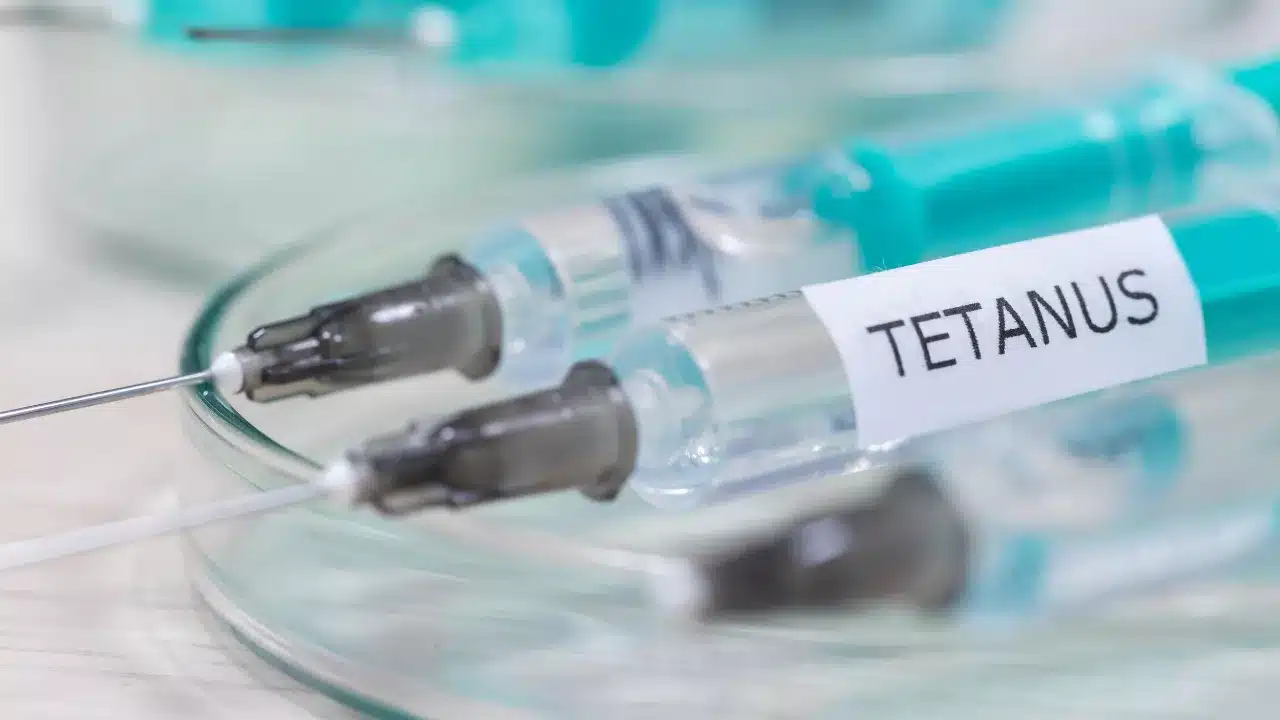
Tetanus is a serious but preventable bacterial infection that affects the nervous system, potentially causing severe muscle spasms and life-threatening complications. In Bali and across Indonesia, the risk of contracting tetanus remains present — particularly in environments where cuts, wounds, and soil exposure are common. Awareness and preventive action, especially through vaccination, are crucial to safeguarding health for both residents and visitors.
Tetanus is caused by Clostridium tetani — bacteria commonly found in soil, dust, and animal feces. When these spores enter the body through an open wound, they can produce a powerful toxin affecting the nervous system. This results in symptoms such as jaw stiffness (often called “lockjaw”), painful muscle spasms, difficulty swallowing, and potentially fatal breathing problems.
In tropical regions like Bali, where outdoor lifestyles, traditional practices, and natural terrain frequently expose people to minor injuries, understanding and preventing tetanus is essential. This article explores tetanus in detail, the role of Tetanus Vaccine, and how immunization can save lives and prevent suffering.
Understanding what tetanus is and how it manifests sets the stage for recognizing why vaccination plays a central role in modern prevention strategies. In the sections that follow, we will dive deeper into the biological mechanisms of tetanus, how it affects individuals, and why the vaccine is indispensable — especially for those living in or traveling to Bali.
How Infection Happens

To effectively prevent and respond to tetanus, it’s crucial to understand how the infection begins and progresses. Tetanus does not spread from person to person — instead, it arises when bacterial spores enter the body through breaks in the skin.
Clostridium tetani is a spore-forming bacterium that thrives in anaerobic (low oxygen) environments — like deep puncture wounds, burns, or animal bites. When these spores enter a wound, they transform into active bacteria that produce tetanospasmin, a toxin that interferes with nerve signals.
Tetanus Symptom
The hallmark symptom of tetanus is muscle stiffness and involuntary spasms, first appearing around the jaw and neck. Symptoms can surface anywhere from 3 to 21 days after exposure, with most cases emerging within two weeks. Additional signs include painful spasms in the back and abdomen, trouble swallowing, fever, sweating, changes in blood pressure, and rapid heart rate.
In severe infections, uncontrolled muscle contractions can make breathing difficult, potentially leading to respiratory failure and other life-threatening complications.
Although tetanus symptoms are physically striking, the disease is entirely preventable through proper wound care and, most importantly, effective vaccination. Next, we explore the environmental contexts in Bali that can elevate tetanus risk and reinforce why vaccine awareness is indispensable.
Tetanus Risk Factors in Bali
Bali’s warm climate and outdoor lifestyle make it a magnet for agriculture, adventure, and tourism — but these same conditions increase potential exposure to tetanus bacteria. Understanding the local risk factors helps both residents and visitors adopt effective prevention strategies.
Outdoor and Cultural Activities
Bali’s natural beauty and outdoor culture promote frequent engagement in activities such as hiking rice terraces, beach sports, farming, and temple festivals. In such environments, minor cuts, scrapes, and puncture wounds are common. Since tetanus spores live in soil and manure, even small wounds can become risky if left untreated or unvaccinated.
Traditional Practices and Wound Care
Traditional wound-care practices that involve natural remedies or non-sterile materials — if not properly supplemented with medical cleaning — may expose individuals to residual bacteria. Good hygiene and vaccine coverage are vital to prevent serious infection.
Travel and Tourism Considerations
Visitors to Bali should not underestimate tetanus risk. While tetanus is not typically highlighted in routine travel advisories, destinations with natural terrain and barefoot culture may lead to increased exposure to minor injuries. Thus, travel health planning should include reviewing tetanus immunization status before arrival.
Recognizing the activities and environments in Bali that contribute to tetanus exposure helps underscore the need for proactive prevention — starting with vaccination. Next, we’ll look in detail at how the Tetanus Vaccine works and why it remains the primary defense against this disease.
The Tetanus Vaccine: The Core of Prevention
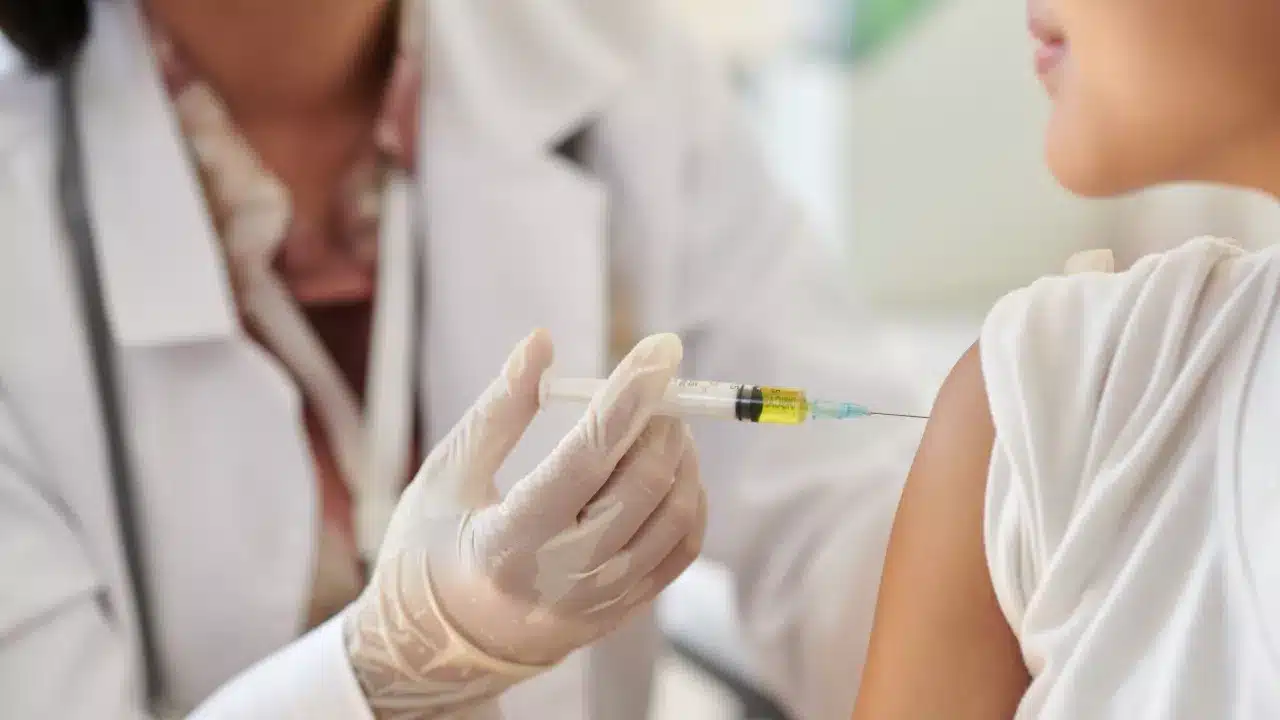
Vaccination is the most reliable and effective means of preventing tetanus. Unlike many contagious diseases, tetanus is not spread from person to person — but vaccination still provides essential immunity that protects individuals from the potentially devastating effects of toxin exposure.
What the Tetanus Vaccine Does
The Tetanus Vaccine helps the body build immunity to the toxin produced by C. tetani. It uses an inactivated form of the tetanus toxin (toxoid) to safely stimulate the immune system without causing illness. This prepares the immune system to neutralize the toxin if it encounters the real bacteria in the future.
Types of Tetanus Vaccines
In many countries, tetanus protection is combined with other vaccines:
- DTaP (diphtheria, tetanus, pertussis) for infants and children
- Td (tetanus and diphtheria) for older children and adults
- Tdap (including acellular pertussis) booster for adolescents and adults
Within Bali and Indonesia, similar combinations are used in routine immunization programs administered through community health systems.
How Vaccine Protection Works
Vaccination doesn’t just prevent initial infection — it forms lasting immune memory. However, tetanus immunity wanes over time. For most adults, a booster shot every 10 years is recommended. In some cases — such as traveling to high-risk environments or sustaining a deep wound — a booster may be advised sooner.
The Tetanus Vaccine’s proven ability to provide long-lasting immunity makes it the cornerstone of tetanus prevention. Regular boosters and adherence to vaccination schedules keep individuals protected whether they are local residents or visitors to Bali.
Vaccination Schedules and Boosters

To maintain protection throughout life, vaccination schedules and booster shots must be followed carefully. These schedules vary by age group and risk exposure — and they are a key part of both personal and public health strategies against tetanus.
Childhood and Routine Immunization
Children typically receive tetanus-containing vaccines as part of national immunization schedules. In Indonesia, this often involves a primary series starting in infancy, followed by booster doses at recommended intervals.
Adult and Booster Shots
Adults are advised to get tetanus booster shots every decade to sustain immunity. The booster is particularly important if you have a deep or dirty wound and it has been more than five years since your last shot.
Specific Considerations
- Pregnant women: Tetanus vaccination during pregnancy protects mother and newborn from neonatal tetanus.
- Travelers: Visitors should verify their tetanus vaccination status well ahead of travel and receive boosters if needed.
Following the appropriate vaccination schedule ensures that both individuals and communities remain resilient against tetanus. Up-to-date immunization forms the backbone of effective protection, which is why vaccine access and awareness are essential.
Tetanus Treatment and the Role of Vaccines

While prevention through vaccination is ideal, treatment remains crucial for those who develop tetanus. However, once tetanus symptoms appear, recovery can be long, complicated, and requires medical care.
Medical Management
There is no cure that directly eliminates tetanus toxin once it has bound to nerves. Treatment focuses on neutralizing unbound toxin, controlling muscle spasms, preventing complications, and supporting vital functions.
Supportive Care and Vaccination
Even during treatment, vaccination plays a role. Patients recovering from tetanus do not develop natural immunity, meaning they can be reinfected in the future. Doctors generally recommend vaccination as part of recovery to prevent reinfection.
Treatment underscores why preventing tetanus in the first place — especially through vaccination — is so valuable. While medical interventions can manage symptoms, the long-term impacts and resource needs make vaccine-based prevention the most effective public health strategy.
Tetanus Awareness and Public Health Efforts in Bali

Public health campaigns in Bali and across Indonesia are continuously working to raise awareness of tetanus and promote vaccination. Education, access, and integration into routine health services are central to these efforts.
Government and Community Programs
National immunization drives encourage routine tetanus vaccine coverage, particularly for pregnant women and children. These programs reduce cases of neonatal tetanus and protect broader communities.
Travel Health Education
For visitors to Bali, travel clinics and medical providers stress the importance of being up to date on routine vaccines — including tetanus — as part of comprehensive travel health planning.
Tetanus awareness in Bali continues to grow through collaborative efforts between public health agencies, private clinics, and community outreach. By prioritizing vaccination, Bali sets an example of proactive disease prevention.
Saline Bali Clinics: Your Partner for Tetanus Protection
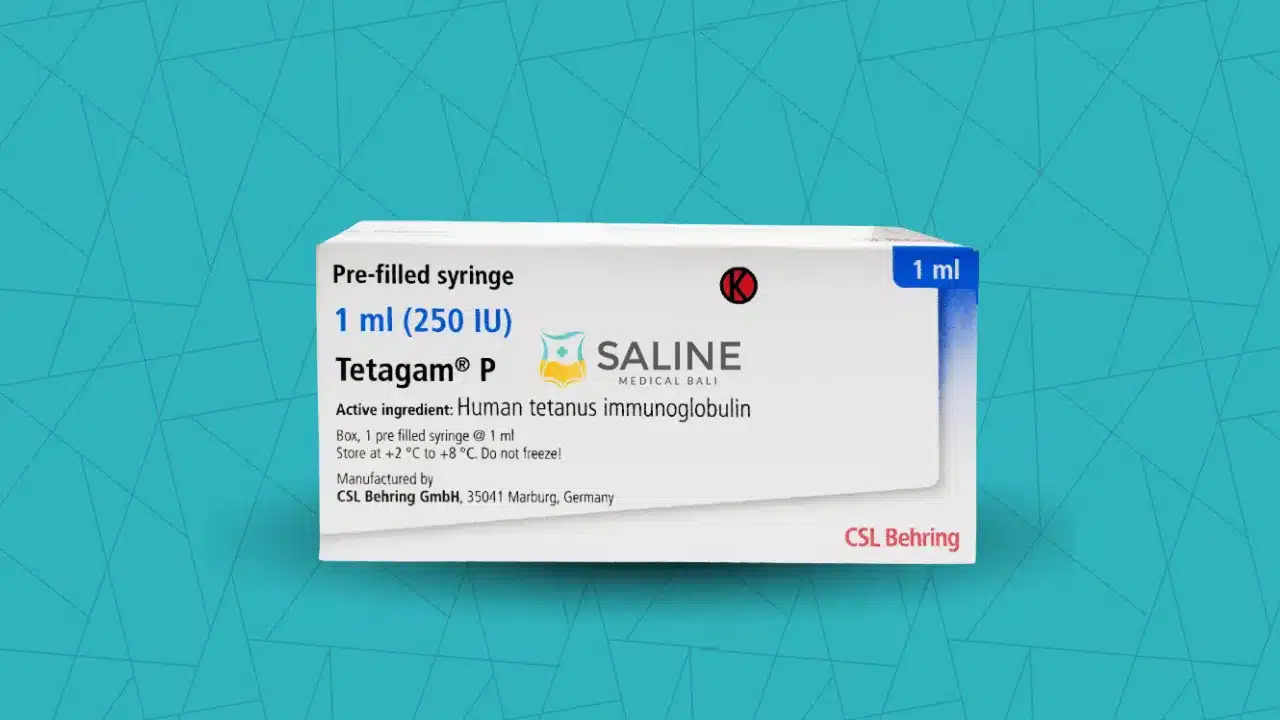
Ensuring tetanus protection — whether you’re a local resident or visiting Bali — is vital. At Saline Bali Clinics, high-quality care and reliable tetanus vaccination services are available to help you stay safe and healthy.
Tetanus Vaccine Services
Saline Bali Clinics provides the Tetagram vaccine — a trusted tetanus immunization option designed to build strong immunity against tetanus. This vaccine is suitable for individuals needing routine immunization or a booster shot, offering peace of mind for long-term protection.
Why Choose Saline Bali Clinics
- Professional medical team with personalized care
- Safe and effective administration of the Tetagram vaccine
- Clear guidance on vaccination schedules and follow-up
- Support for travelers and residents alike seeking health assurance in Bali
Whether you need a tetanus booster before travel, routine immunization for children, or catch-up vaccination, Saline Bali Clinics is here to support your health needs.
Tetanus shouldn’t be a threat you face unprotected — and with the right vaccination at Saline Bali Clinics, you can stay safe with confidence. Contact Saline Bali Clinics today to schedule your Tetanus Vaccine (Tetagram) and ensure comprehensive protection against tetanus.
Tetanus remains a serious disease with significant risks — but the power of immunization means prevention is fully within reach. With ongoing public health efforts and accessible vaccine services like those offered by Saline Bali Clinics, individuals living in or visiting Bali can take proactive steps to protect themselves and their loved ones. Don’t wait for an injury to remind you — get vaccinated, stay informed, and prioritize your health.
FAQ about Tetanus Vaccine

What is the Tetanus Vaccine and why is it important?
The Tetanus Vaccine protects the body against tetanus, a serious bacterial infection caused by Clostridium tetani. The bacteria enter the body through cuts or wounds and release toxins that attack the nervous system. Vaccination is the most effective way to prevent severe muscle spasms, breathing problems, and potentially fatal complications caused by tetanus.
Who should get the Tetanus Vaccine?
The Tetanus Vaccine is recommended for children, adults, pregnant women, travelers, and people with high risk of injury. Adults should receive booster shots every 10 years, while those with deep or contaminated wounds may need an additional booster if their last vaccine was more than 5 years ago.
How often do I need a Tetanus Vaccine booster?
Most adults need a Tetanus Vaccine booster every 10 years to maintain protection. However, if you experience a serious wound and it has been more than 5 years since your last vaccination, a booster may be required immediately as a preventive measure.
Can the Tetanus Vaccine be given after an injury?
Yes. The Tetanus Vaccine can be administered after an injury as part of post-exposure prevention. It helps protect against toxin production if tetanus bacteria enter a wound. In some cases, doctors may also recommend tetanus immunoglobulin for individuals who are not fully vaccinated.
Is the Tetanus Vaccine safe and are there side effects?
The Tetanus Vaccine is safe and widely used worldwide. Most side effects are mild and temporary, such as soreness at the injection site, mild fever, or fatigue. Serious side effects are extremely rare, making vaccination a safe and effective choice for long-term protection.