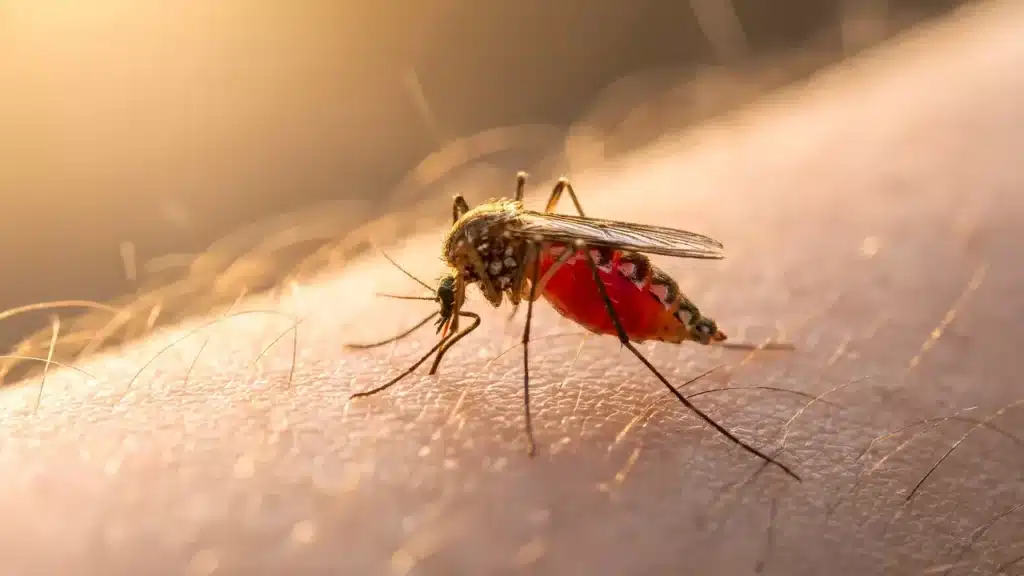
Traveling to or living in Bali and other tropical regions is a dream for many, offering lush green landscapes, warm sandy beaches, rich cultural traditions, and unforgettable culinary experiences. The tropical climate creates an inviting atmosphere year-round, making it a popular destination for tourists, digital nomads, and long-term residents alike. However, the same environmental conditions that make tropical destinations so appealing—such as consistent warmth, high humidity, and frequent rainfall—also create ideal habitats for bacteria, viruses, and disease-carrying insects.
In these regions, tropical diseases are a genuine health concern, as mosquitoes, contaminated food and water, and close contact with animals can increase the risk of infection. Illnesses such as dengue fever, typhoid, hepatitis, and rabies are more common in tropical settings and can affect both locals and visitors if proper precautions are not taken. Understanding how these diseases spread, recognizing early symptoms, and knowing how to prevent them are essential steps in protecting your health, ensuring a safe stay, and enjoying peace of mind while living in or exploring Bali.
1. Dengue Fever
Dengue fever is caused by the dengue virus, which consists of four primary serotypes. It is considered one of the most significant mosquito-borne viral infections worldwide, particularly in tropical and subtropical regions. Warm temperatures, high humidity, and seasonal rainfall create ideal breeding environments for mosquitoes, allowing the virus to circulate more easily within communities.
The disease spreads to humans through the bite of infected Aedes mosquitoes, especially Aedes aegypti. These mosquitoes are highly adapted to urban environments and commonly breed in stagnant water found around homes, gardens, and construction areas. Unlike many other mosquito species, Aedes mosquitoes are most active during the daytime, increasing the risk of transmission during daily outdoor activities.
Common Symptoms
- Sudden high fever
- Severe headache
- Pain behind the eyes
- Joint and muscle pain
- Rash on arms and legs
- Nausea and fatigue
Complications in severe cases can include bleeding and dangerously low blood pressure.
Prevention Tips
- Use mosquito repellent and wear protective clothing
- Eliminate standing water around living spaces
- Use screens or nets on windows
- Consider vaccination before travel
At Saline Bali Clinic, you can receive the Dengue Fever vaccine as part of a personalized tropical disease prevention plan. Their medical team conducts a professional health assessment to ensure the vaccine is appropriate for you, and vaccinations can be administered either at the clinic or through a convenient home-visit service to your villa, hotel, or residence in Bali.
Testing and Treatment
In Bali, where dengue cases can occur throughout the year due to the tropical climate, early diagnosis is crucial to prevent complications and ensure proper medical management. Saline Bali Clinic provides Dengue Test lab services designed to detect infection at an early stage, whether through antigen or antibody testing depending on the timing of symptoms. Prompt testing allows doctors to monitor your condition closely, manage fever and hydration properly, and reduce the risk of severe dengue. With professional medical supervision and timely laboratory support, patients can receive faster, safer, and more effective care while staying in Bali.
2. Malaria
Malaria is caused by Plasmodium parasites, microscopic organisms that infect and multiply inside red blood cells. Once inside the body, these parasites disrupt normal blood function and can lead to serious health complications if not treated promptly. Malaria remains one of the most significant tropical diseases in many parts of the world, particularly in regions with warm climates that support mosquito populations.
The disease spreads primarily through the bite of infected Anopheles mosquitoes. When an infected mosquito bites a person, the parasites enter the bloodstream and travel to the liver, where they mature before re-entering the blood and causing symptoms. In rare cases, malaria can also be transmitted through blood transfusions, shared needles, or from a pregnant mother to her unborn child.
Common Symptoms
- Fever and chills
- Headaches
- Nausea and vomiting
- Fatigue and muscle pain
- Diarrhea
Symptoms typically appear within 7–30 days after infection.
Prevention Tips
- Avoid mosquito bites with repellents and bed nets
- Use insecticides and wear long sleeves/pants
- Seek medical advice on antimalarial medication when traveling to high-risk areas
While Bali is generally considered lower risk for malaria than other parts of Indonesia, awareness and preventive practices remain essential.
3. Chikungunya
Chikungunya is a viral infection caused by the chikungunya virus (CHIKV). Similar to dengue and Zika, it is classified as an arbovirus, meaning it is transmitted to humans through mosquito vectors. The virus thrives in tropical and subtropical climates where environmental conditions allow mosquito populations to grow rapidly, increasing the risk of outbreaks in these regions.
Chikungunya spreads primarily through the bite of infected Aedes mosquitoes, particularly Aedes aegypti and Aedes albopictus. These mosquitoes are active during the daytime and commonly breed in stagnant water near residential areas. When an infected mosquito bites a person, the virus enters the bloodstream and can quickly lead to symptoms within a few days.
Common Symptoms
- Sudden high fever
- Severe joint pain (often symmetrical)
- Headache and muscle pain
- Fatigue and nausea
- Rash
Symptoms usually begin 2–7 days after infection and can be debilitating due to intense joint pain.
Prevention Tips
- Use mosquito repellent and protective clothing
- Stay in accommodations with screens or air conditioning
- Eliminate breeding sites like stagnant water
There is no specific vaccine widely available for chikungunya yet, making prevention and mosquito protection essential.
4. Typhoid Fever
Typhoid is a serious bacterial infection caused by Salmonella typhi, a pathogen that specifically targets the intestinal tract and bloodstream. Once inside the body, the bacteria multiply and can spread beyond the digestive system, leading to systemic infection if not treated promptly. Typhoid fever remains a significant health concern in many tropical and developing regions where sanitation infrastructure may be limited.
The disease spreads primarily through the consumption of contaminated food or water. Poor hygiene practices, inadequate handwashing, and improper food handling can allow the bacteria to pass from an infected person to others. Areas with limited access to clean water and proper sewage systems are particularly vulnerable to typhoid transmission, making food and water safety essential for prevention.
Common Symptoms
- High, sustained fever
- Headache
- Stomach pain
- Loss of appetite
- Diarrhea or constipation
- Rash in some cases
Symptoms can worsen if not treated promptly.
Prevention Tips
- Drink bottled or purified water
- Avoid uncooked or street food
- Practice good hand hygiene
- Consider vaccination before travel
Saline Bali Clinic offers Typhoid vaccinations as part of their comprehensive immunization services to help reduce your risk of infection before or during your stay in tropical regions like Bali. The vaccine is especially recommended for travelers, long-term visitors, and residents who may be exposed to local food and water sources. Before vaccination, the clinic’s medical professionals assess your health condition and travel plans to ensure the vaccine is appropriate for you, providing a safe and effective layer of protection against this potentially serious bacterial infection.

5. Leptospirosis
Leptospirosis is a bacterial infection caused by Leptospira species, spiral-shaped bacteria commonly found in soil and water contaminated with the urine of infected animals such as rats, livestock, and dogs. The bacteria can survive for weeks in warm, moist environments, making tropical regions particularly vulnerable to transmission. In areas with heavy rainfall and inadequate sanitation, the risk of environmental contamination becomes significantly higher.
The disease spreads when contaminated water or soil enters the body through small cuts or abrasions in the skin, or through mucous membranes such as the eyes, nose, or mouth. People who wade through floodwater, work outdoors, or participate in water-based activities in affected areas are at greater risk of exposure. During rainy seasons and flooding events, bacteria can spread more widely, increasing the likelihood of infection among both residents and travelers.
Common Symptoms
- High fever and chills
- Muscle aches, especially in calves
- Headache
- Vomiting and diarrhea
- Jaundice (yellowing of skin/eyes) in severe cases
Leptospirosis can lead to kidney or liver failure when not treated.
Prevention Tips
- Avoid wading in floodwater
- Wear protective clothing outdoors
- Clean and cover skin wounds promptly
There is no widely used vaccine for leptospirosis in travelers, so prevention and early diagnosis are key.
6. Tuberculosis (TB)
Tuberculosis (TB) is caused by Mycobacterium tuberculosis, a slow-growing bacterium that most commonly affects the lungs, although it can also spread to other parts of the body such as the kidneys, spine, or brain. When the bacteria enter the body, they may remain inactive (latent TB) without causing symptoms, or they can become active and lead to serious illness, especially in individuals with weakened immune systems.
TB spreads through the air when a person with active pulmonary tuberculosis coughs, sneezes, speaks, or even sings, releasing tiny infectious droplets into the air. People who inhale these airborne bacteria, particularly in crowded or poorly ventilated spaces, may become infected. Prolonged close contact with someone who has active TB increases the risk of transmission.
Common Symptoms
- Persistent cough (sometimes with blood)
- Fever and night sweats
- Fatigue and weight loss
- Chest pain
Because TB can be latent and not immediately apparent, early testing is important.
Prevention Tips
- Avoid close contact with known TB patients
- Ensure good ventilation in living spaces
- Seek testing if symptoms persist
7. Hepatitis A & B
Hepatitis A is caused by the hepatitis A virus (HAV), which typically spreads through fecal contamination and primarily affects the liver. It is commonly associated with poor sanitation and contaminated food or water. Hepatitis B, on the other hand, is caused by the hepatitis B virus (HBV) and is transmitted through infected blood or body fluids. Both infections target the liver and can range from mild, short-term illness to more severe conditions. While hepatitis A usually causes an acute infection that resolves on its own, hepatitis B can become chronic and lead to long-term liver complications such as cirrhosis or liver cancer.
Hepatitis A spreads mainly through the consumption of contaminated food or water, as well as through close personal contact with an infected person. Hepatitis B spreads through exposure to infected blood, unprotected sexual contact, sharing needles, or from mother to baby during childbirth. Because of these different transmission routes, prevention strategies vary, but vaccination remains one of the most effective ways to protect against both hepatitis A and B, especially for those living in or traveling to tropical regions.
Common Symptoms
- Fatigue
- Loss of appetite
- Jaundice
- Nausea and abdominal pain
Symptoms can last weeks to months and require medical care.
Prevention Tips
- Good food/water hygiene
- Avoid sharing needles or personal items
- Seek vaccination
Saline Bali Clinic offers comprehensive vaccination services for both Hepatitis A and Hepatitis B, providing essential protection for travelers, expatriates, and long-term residents in tropical environments like Bali. Since these infections can spread through contaminated food, water, blood, or bodily fluids, vaccination is one of the most effective preventive measures available. The clinic’s medical team conducts a proper health assessment before administering the vaccine and ensures the correct dosing schedule, helping you build long-term immunity and reduce the risk of liver-related complications while living in or visiting tropical regions.
8. Cholera
Cholera is an acute diarrheal illness caused by the bacterium Vibrio cholerae, which is commonly found in water sources contaminated with human waste. Once ingested, the bacteria produce toxins in the intestines that lead to rapid fluid loss and severe diarrhea. Cholera can spread quickly in areas where access to clean drinking water and proper sewage systems is limited, making it a significant health concern in some tropical and developing regions.
The disease spreads primarily through the consumption of contaminated water or food, especially raw or undercooked seafood and improperly handled meals. Poor sanitation, inadequate hygiene practices, and overcrowded living conditions significantly increase the risk of transmission. During natural disasters or flooding, when water systems may become contaminated, the likelihood of cholera outbreaks rises substantially.
Common Symptoms
- Severe diarrhea
- Vomiting
- Rapid dehydration
- Muscle cramps
Symptoms can be life-threatening if dehydration is not managed.
Prevention Tips
- Drink safe, purified water
- Practice strict food hygiene
- Wash hands frequently
Prompt rehydration and medical care are critical for treatment.
9. Rabies
Rabies is a viral infection caused by the rabies virus, which attacks the central nervous system. Once the virus enters the body, it travels through the nerves toward the brain, where it causes inflammation and severe neurological symptoms. If not treated immediately after exposure, rabies is almost always fatal once clinical symptoms appear, making it one of the most dangerous infectious diseases worldwide.
Rabies is typically transmitted through the bite or scratch of an infected animal, most commonly dogs, but also monkeys, bats, and other wildlife. The virus is present in the saliva of infected animals and can enter the body through broken skin or mucous membranes. Immediate medical attention after any suspected exposure is critical, including wound cleaning, vaccination, and, in some cases, administration of Rabies Immune Globulin to prevent the virus from progressing.
Common Symptoms
- Fever and headache initially
- Tingling at bite site
- Confusion, agitation
- Paralysis and difficulty swallowing
Symptoms progress rapidly after onset.
Prevention Tips
- Avoid contact with stray or wild animals
- Seek immediate medical care after any bite
- Consider pre-exposure vaccination
At Saline Bali Clinic, you can receive both the rabies vaccine for pre-exposure protection and Rabies Immune Globulin (RIG) for immediate post-exposure treatment if you have been bitten or scratched by a potentially infected animal. Prompt medical care is critical in rabies cases, and the clinic’s medical team provides proper wound assessment, thorough cleaning, and the appropriate vaccination schedule according to international medical guidelines. With professional evaluation and timely administration of Rabies Immune Globulin when required, patients can significantly reduce the risk of the virus progressing, ensuring safe and effective post-exposure care while in Bali.

10. Zika Virus
Zika is caused by the Zika virus, a mosquito-borne virus that belongs to the same family as dengue and chikungunya. It is most commonly found in tropical and subtropical regions where mosquito populations thrive. While many Zika infections are mild or even asymptomatic, the virus can pose serious risks, particularly for pregnant women, as it has been linked to birth defects such as microcephaly.
Zika is primarily transmitted through the bite of infected Aedes mosquitoes, especially Aedes aegypti, which are active during the daytime. In addition to mosquito bites, the virus can also be transmitted through sexual contact, from a pregnant mother to her fetus, and, in rare cases, through blood transfusion. Because of these multiple transmission routes, prevention includes both mosquito protection and safe sexual practices, particularly during outbreaks.
Common Symptoms
- Mild fever
- Rash
- Conjunctivitis
- Joint pain
In pregnant women, infection can lead to serious birth defects like microcephaly.
Prevention Tips
- Mosquito bite avoidance
- Safe sexual practices during outbreaks
There’s no widely used Zika vaccine currently, so prevention through mosquito control is key.
Staying Healthy in the Tropics: Tips & Clinic Support

Living or traveling in tropical zones like Bali means taking proactive steps to protect yourself from Tropical Diseases:
Preventive Measures
- Use mosquito repellents (DEET, picaridin)
- Wear protective clothing
- Practice careful food and water hygiene
- Seek vaccinations before travel
- Maintain hand hygiene
When Symptoms Appear
If you develop fever, rash, persistent headache, or unusual symptoms while in Bali, early medical evaluation is critical. Quickly differentiating between dengue, typhoid, malaria, or other tropical diseases can change outcomes dramatically.
How Saline Bali Clinic Can Help
Saline Bali Clinic offers a range of services tailored to tropical health needs:
Lab Testing Services
- Dengue Test – early detection to guide care
Comprehensive bloodwork and diagnostics for fever and infection evaluation
Vaccine Services
- Dengue Fever vaccine
- Hepatitis A & B vaccine
- Rabies vaccine & Rabies Immune Globulin
Other travel and preventive vaccines as recommended
Personalized Care
Medical consultations, home-service vaccinations, and flexible support options mean you can prioritize health without disrupting your trip or routine.
Understanding Tropical Diseases is essential for anyone spending time in warm, humid regions — especially places like Bali where mosquito-borne and water-related illnesses are part of the environmental landscape. By knowing causes, transmission, symptoms, and prevention strategies, you can protect yourself and your loved ones.
Partnering with trusted healthcare providers such as Saline Bali Clinic gives you access to critical lab testing, vaccines, and expert guidance to stay safe and healthy in the tropics.
Ready to secure your health in Bali? Contact Saline Bali Clinic today to discuss your tropical health needs and book your tests or vaccinations.
Frequently Asked Questions

What are Tropical Diseases?
Tropical Diseases are infections that are more common in tropical and subtropical regions due to warm climates, high humidity, and environmental conditions that support bacteria, viruses, parasites, and disease-carrying insects like mosquitoes. Examples include dengue fever, malaria, typhoid, hepatitis, and rabies.
Who is most at risk of Tropical Diseases?
Anyone living in or traveling to tropical regions can be at risk. However, travelers, children, elderly individuals, pregnant women, and people with weakened immune systems may be more vulnerable. Outdoor activities, poor sanitation, and mosquito exposure can increase the risk of infection.
How can I prevent Tropical Diseases while in Bali?
Prevention includes using mosquito repellent, wearing protective clothing, drinking safe bottled water, practicing good hand hygiene, avoiding contact with stray animals, and getting recommended vaccinations such as Dengue, Hepatitis A & B, and Rabies before or during your stay.
When should I see a doctor for possible Tropical Disease symptoms?
You should seek medical attention if you experience persistent fever, severe headache, rash, muscle or joint pain, prolonged diarrhea, jaundice, or unusual fatigue while in a tropical area. Early diagnosis and treatment significantly reduce the risk of complications.
Are vaccines available for Tropical Diseases?
Yes, vaccines are available for several tropical diseases, including Dengue Fever, Hepatitis A & B, Rabies, and Typhoid. Consulting a medical professional before traveling or after potential exposure is essential to determine which vaccinations or treatments are appropriate for you.