Bali is a popular destination for travelers from around the world, known for its tropical climate, beautiful beaches, vibrant culture, and diverse cuisine. Millions of visitors come to the island each year to enjoy its natural landscapes, traditional ceremonies, and rich culinary scene that ranges from international restaurants to local street food. This combination of tourism, tropical weather, and high population movement makes Bali a dynamic and exciting place, but it also creates certain public health challenges that are common in warm, developing, and densely visited regions.
One of these challenges is typhoid fever, a bacterial infection that can be transmitted through contaminated food and water. Understanding what typhoid fever is, how it spreads, and when to take a Typhoid Fever Test is important for both visitors and residents to stay healthy during their time on the island. Awareness and early testing not only help individuals receive timely treatment, but also support broader public health efforts by reducing transmission and preventing more serious complications from developing.
What Is Typhoid Fever?

Typhoid fever is a bacterial infection caused by Salmonella Typhi, a type of bacteria that infects the digestive system and bloodstream. The bacteria usually enter the body through contaminated food or drinking water, often as a result of poor sanitation or improper food handling. Once inside the body, Salmonella Typhi passes through the intestinal wall and spreads into the bloodstream, allowing it to affect multiple organs. Without proper diagnosis and medical treatment, typhoid fever can lead to serious complications, including intestinal inflammation, internal bleeding, liver dysfunction, and in severe cases, life-threatening conditions.
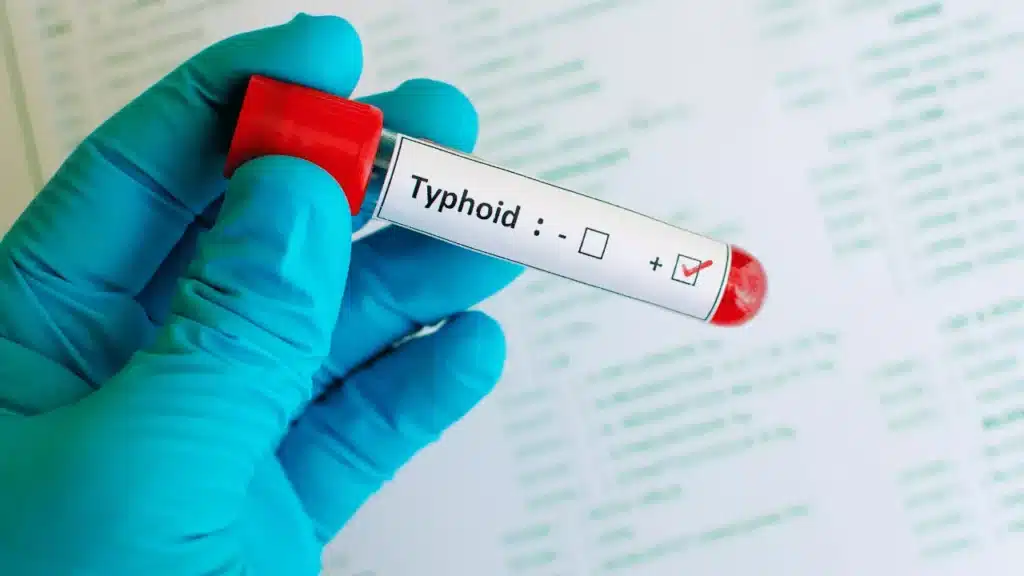
A Typhoid Fever Test is used to detect the presence of this bacterial infection in the body so that doctors can confirm the diagnosis and begin appropriate antibiotic treatment as early as possible. Early testing is especially important because the symptoms of typhoid fever often overlap with those of other tropical illnesses such as dengue fever, malaria, and common gastrointestinal infections. These similarities can make clinical diagnosis difficult without laboratory confirmation, which is why timely testing plays a critical role in ensuring accurate diagnosis, effective treatment, and a faster recovery.
How Typhoid Fever Spreads in Bali
In Bali, typhoid fever is mainly associated with hygiene and sanitation conditions, particularly related to food handling and water quality. The bacteria Salmonella Typhi are transmitted through food and drinking water that have been contaminated with human waste from infected individuals. This contamination can happen when food is prepared without proper handwashing, when kitchen surfaces and utensils are not cleaned thoroughly, or when raw ingredients such as vegetables and fruits are washed with unsafe water. The risk also increases when people consume street food, ice made from untreated water, or unfiltered drinking water from unreliable sources, especially in areas where sanitation infrastructure is limited.
Travelers who are not accustomed to local bacteria may be more vulnerable to infection, but long-term residents are also at risk, particularly during the rainy season. Heavy rainfall and flooding can overwhelm drainage systems and contaminate wells, water pipes, and food supply chains with polluted water. As a result, even people who usually follow good hygiene practices can be exposed unintentionally. This is why awareness, prevention, and access to a reliable Typhoid Fever Test are especially important in Bali, helping both visitors and locals detect infections early and prevent further spread within the community.
Common Symptoms of Typhoid Fever

Typhoid fever usually develops gradually over several days. Common symptoms include:
- Prolonged high fever is one of the most characteristic signs of typhoid fever. The fever typically rises slowly over several days and can remain persistently high, often reaching 39–40°C (102–104°F). Unlike many common infections where fever fluctuates, typhoid fever tends to cause a sustained fever that does not improve easily with basic medication. This ongoing fever reflects the spread of Salmonella Typhi through the bloodstream and signals that the body is actively fighting a systemic bacterial infection.
- Headache and weakness commonly accompany the fever and reflect the body’s inflammatory response and energy depletion. Patients often feel unusually tired, dizzy, or mentally foggy, making it difficult to concentrate or perform daily activities. This weakness can become progressively worse as the infection continues, contributing to overall physical and mental exhaustion.
- Loss of appetite is another early symptom, as the infection affects the digestive system and reduces the body’s desire to eat. Patients may feel full quickly, lose interest in food, or feel nauseated at the thought of eating. This can lead to reduced calorie intake, weight loss, and further weakness, which slows down recovery if not addressed properly.
- Abdominal pain or discomfort occurs because the bacteria infect the intestines and cause inflammation of the intestinal lining. Patients may feel cramping, bloating, or a dull ache in the lower or central abdomen. This discomfort can worsen after eating and is often a sign that the digestive tract is being directly affected by the infection.
- Diarrhea or constipation can both occur in typhoid fever, depending on how the digestive system responds to the infection. Some patients experience frequent loose stools due to intestinal irritation, while others develop constipation because normal bowel movement is disrupted. Either condition can lead to dehydration and electrolyte imbalance if not managed carefully.
- Nausea and vomiting are also common, especially in the early stages of the illness. The infection irritates the stomach and intestines, triggering feelings of nausea and, in some cases, repeated vomiting. This can further reduce fluid and nutrient intake, increasing the risk of dehydration and delaying recovery.
In some cases, patients may experience a rash, confusion, or severe fatigue. If untreated, typhoid fever can lead to intestinal bleeding, perforation, or systemic infection. Because these symptoms overlap with other tropical diseases, laboratory confirmation through a Typhoid Fever Test is essential for accurate diagnosis.
Tests for Typhoid Fever

Diagnosing typhoid fever accurately is essential because its symptoms often resemble other tropical infections. Laboratory testing helps confirm the presence of infection and guides proper treatment. Two commonly used tests in the evaluation of typhoid fever are the Complete Blood Test and the Widal Test.
Complete Blood Test (CBC)
A Complete Blood Test, also known as a Complete Blood Count (CBC), measures different components of the blood, including red blood cells, white blood cells, and platelets. In typhoid fever, the CBC may show abnormalities such as a reduced or slightly elevated white blood cell count, which reflects the body’s response to bacterial infection. It can also reveal signs of anemia or inflammation that may occur during prolonged illness. While a Complete Blood Test does not specifically identify Salmonella Typhi, it provides valuable information about the patient’s general health and immune response and helps doctors assess the severity of the infection and rule out other possible causes of fever.
Widal Test
The Widal Test is a blood test used to detect antibodies produced by the immune system against Salmonella Typhi. It measures the levels of specific antibodies (O and H antigens) that increase when the body is fighting a typhoid infection. A positive Widal Test can support the diagnosis, especially when interpreted together with symptoms and clinical findings. However, because antibody levels may take time to rise and may be influenced by previous infections or vaccinations, the Widal Test is most useful when used alongside other tests and medical evaluation rather than as a standalone diagnostic tool.
Together, the Complete Blood Test and the Widal Test help doctors build a clearer picture of whether typhoid fever is likely present, supporting timely and accurate diagnosis so that appropriate treatment can begin as early as possible.
When Should You Take a Typhoid Fever Test?

You should consider taking a Typhoid Fever Test if you experience a persistent fever lasting more than two to three days, especially when it does not respond well to common fever-reducing medications. This is particularly important if the fever is accompanied by digestive symptoms such as abdominal pain, diarrhea, constipation, nausea, or loss of appetite. Testing is also strongly recommended if you have recently consumed potentially unsafe food or water, such as street food, unfiltered drinking water, or ice from unknown sources. In addition, individuals who have recently traveled within Bali, stayed in areas with limited sanitation infrastructure, or had close contact with someone diagnosed with typhoid fever should be more alert to early symptoms and consider testing promptly.
Early testing plays a crucial role in ensuring that appropriate antibiotic treatment can be started as soon as possible. This not only shortens the duration of illness but also significantly reduces the risk of serious complications such as intestinal bleeding, intestinal perforation, or the spread of infection to other organs. Timely diagnosis also helps prevent further transmission to others by allowing patients to isolate and follow medical guidance early. For both travelers and residents in Bali, early access to a Typhoid Fever Test is an important step in protecting individual health and supporting community-wide disease prevention.
Find the Typhoid Fever Test at Saline Bali Clinic

Saline Bali Clinic offers professional and reliable Typhoid Fever Test services for both local residents and international visitors, making it a trusted option for medical testing in Bali. The clinic operates in a safe, clean, and hygienic medical environment that follows modern clinical and laboratory standards to ensure accurate and consistent results. By using proper diagnostic procedures and quality-controlled laboratory methods, Saline Bali Clinic helps patients receive dependable test outcomes that support correct medical decisions and effective treatment planning.
Patients at Saline Bali Clinic benefit from gentle and professional sample collection performed by trained healthcare staff, minimizing discomfort and anxiety during the testing process. The clinic also provides timely laboratory processing and clear explanations of test results, allowing patients to fully understand their condition and what the results mean for their health. This transparent and supportive approach enables individuals to begin appropriate treatment as soon as possible and feel confident and informed throughout their healthcare experience.
Why Choose Saline Bali Clinic for Your Typhoid Fever Test

There are several reasons to choose Saline Bali Clinic for your Typhoid Fever Test:
- Professional medical staff with experience in tropical diseases
- Accurate laboratory testing using reliable methods
- Clear communication and explanation of results
- Comfortable, clean, and patient-focused clinical environment
- Convenient service for both residents and travelers
Saline Bali Clinic combines medical expertise with a supportive approach, ensuring that patients feel informed, safe, and well cared for throughout the testing process.
Typhoid fever remains a relevant health concern in Bali due to environmental and sanitation factors. Knowing the symptoms, understanding how the disease spreads, and recognizing when to take a Typhoid Fever Test can help prevent serious health complications. With professional services available at Saline Bali Clinic, residents and travelers can access reliable testing and medical guidance — helping them stay healthy and enjoy their time in Bali with greater peace of mind.
Frequently Asked Questions about Typhoid Fever Test

What is a Typhoid Fever Test?
A Typhoid Fever Test is a medical test used to detect infection caused by the Salmonella Typhi bacteria. It helps confirm whether a patient’s symptoms are due to typhoid fever so that appropriate antibiotic treatment can be started early and complications can be prevented.
What types of Typhoid Fever Tests are available?
Common tests include blood tests such as the Widal test, blood culture, and rapid antibody tests. The choice of test depends on the stage of illness, available laboratory facilities, and the doctor’s clinical judgment.
Do I need to prepare before taking a Typhoid Fever Test?
In most cases, no special preparation such as fasting is required. However, it is important to inform your doctor about any medications you are currently taking, especially antibiotics, as they may affect the accuracy of certain test results.
How long does it take to get the results?
The time depends on the type of test used. Rapid tests may provide results within hours, while blood cultures can take several days because the bacteria need time to grow in the laboratory.
When should I get tested for typhoid fever?
You should consider testing if you have a persistent fever lasting more than two to three days, especially if it is accompanied by digestive symptoms such as abdominal pain, diarrhea, nausea, or loss of appetite, or if you have consumed potentially contaminated food or water or been in contact with someone diagnosed with typhoid fever.