Chickenpox — medically known as Varicella — is a highly contagious viral infection caused by the Varicella-zoster virus (VZV), a member of the herpesvirus family. It is best known for its distinctive itchy, fluid-filled rash, fever, and general feeling of unwellness. While chickenpox is often considered a common and relatively mild childhood illness, especially in healthy children, it should not be underestimated. The virus spreads easily through respiratory droplets or direct contact with blister fluid, allowing outbreaks to occur quickly in households, schools, and crowded environments. Before vaccination became widely available, nearly everyone contracted chickenpox at some point in their lives. Although many cases resolve without complications, the infection can lead to more serious health problems in adolescents, adults, pregnant women, newborns, and individuals with weakened immune systems.
Globally, chickenpox remains a significant public health concern, particularly in regions where vaccination coverage is inconsistent. In tropical destinations such as Bali, Indonesia, the risk of transmission can be higher due to dense populations, international travel, and close social interactions in schools, resorts, and tourist attractions. Visitors who have never had chickenpox or have not been vaccinated may be vulnerable to infection during their stay. For long-term residents, expatriates, and families living in Bali, understanding the symptoms, transmission patterns, and prevention strategies, especially vaccination is essential. Raising awareness about chickenpox and ensuring access to reliable vaccination services helps reduce outbreaks, protect high-risk individuals, and maintain overall community health in both local and international populations.
Cause of Chickenpox
Chickenpox is caused by the Varicella-zoster virus (VZV), a highly contagious virus that spreads easily from one person to another. Transmission most commonly occurs through respiratory droplets released when an infected person coughs, sneezes, or even talks at close range. The virus can also spread through direct contact with the fluid inside chickenpox blisters, which contains a high concentration of viral particles. Because of these transmission routes, chickenpox can quickly spread in households, classrooms, workplaces, and other crowded settings — especially among individuals who have not been vaccinated or previously infected.
Once the virus enters the body through the mouth, nose, or eyes, it first infects the cells of the upper respiratory tract. During the incubation period typically lasting 10 to 21 days the virus multiplies silently before entering the bloodstream. From there, it spreads throughout the body, eventually reaching the skin and causing the hallmark itchy red spots that develop into fluid-filled blisters. Even before the rash becomes visible, an infected person can already transmit the virus to others, which explains why chickenpox outbreaks can occur rapidly if preventive measures are not taken.
How Does Chickenpox Spread?
The Varicella-zoster virus is highly contagious. It spreads in several ways:
- Direct contact with the fluid in chickenpox blisters.
- Respiratory droplets from coughing or sneezing of an infected person.
- Contact with contaminated objects, such as bedding, clothing, or surfaces touched by someone with chickenpox.
Infected persons can transmit the virus from 1–2 days before the rash appears until all lesions have formed scabs, which usually takes about a week.
Because of its contagious nature, chickenpox can easily spread within households, day-care centers, schools, and crowded places without adequate vaccination coverage.
Typical Symptoms of Chickenpox

Chickenpox symptoms usually appear 10–21 days after exposure to the virus. Early symptoms often include:
- Fever
- Loss of appetite
- Headache
- Feeling tired or generally unwell
- Sore throat
A few days later, a red, itchy rash develops that progresses in stages:
- Red spots appear on the face, chest, or back.
- These progress to fluid-filled blisters (vesicles).
- Blisters eventually break and scab over, a process that can take 5–10 days.
The rash can occur all over the body and be intensely itchy. Most healthy children experience a mild course and recover completely within about a week without serious complications.
Chickenpox in Adults and Special Populations
Although children commonly get chickenpox, adult cases are not rare — especially in regions where vaccination rates are not high or immunity has waned. Adults who get chickenpox generally experience more severe symptoms than children and are at greater risk of complications.
Certain groups are at higher risk for severe disease or complications:
- Infants and newborns
- Pregnant women
- Individuals with weakened immune systems (e.g., due to HIV, cancer, chemotherapy, or steroid therapy)
- People who have not been vaccinated or previously infected
Complications of Chickenpox
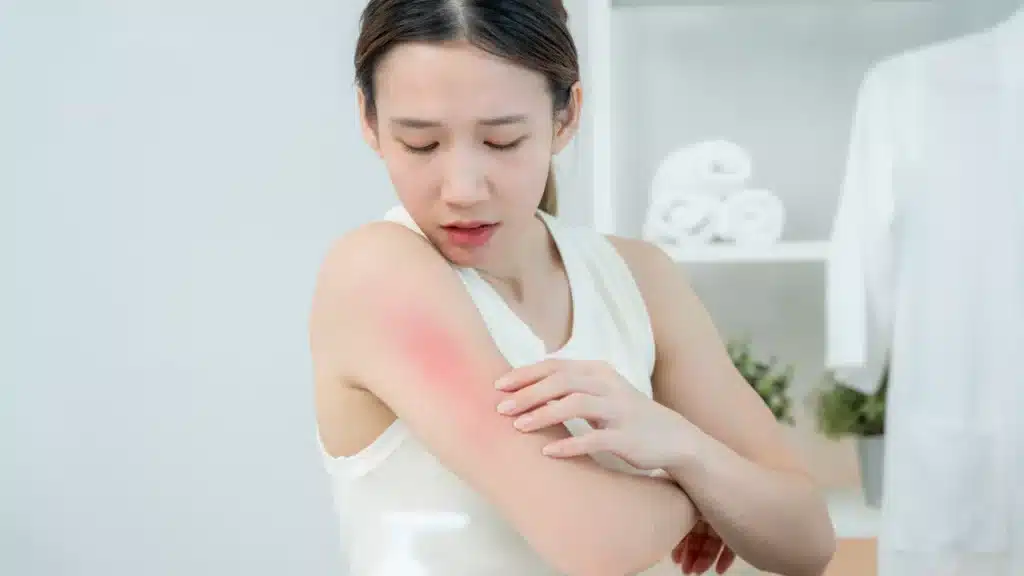
In otherwise healthy children, chickenpox is usually mild. However, complications can occur, and some can be serious:
- Skin infections due to scratching the blisters
- Pneumonia (lung infection)
- Encephalitis (inflammation of the brain)
- Secondary bacterial infections
- Dehydration
- Hospitalization in severe cases
Complications are more likely in adults, pregnant women, and people with weakened immunity. For example, chickenpox during pregnancy can pose risks to both the mother and fetus.
Diagnosis of Chickenpox
Healthcare professionals typically diagnose chickenpox based on clinical evaluation, particularly the appearance and progression of the characteristic rash. The rash usually begins as small red spots that quickly develop into fluid-filled blisters before eventually crusting over. Because the lesions often appear in different stages at the same time — some spots, some blisters, and some scabs — this pattern is considered highly distinctive for varicella. Doctors will also consider accompanying symptoms such as fever, fatigue, headache, and recent exposure to someone with chickenpox. In most uncomplicated cases, especially in children, a physical examination is sufficient to establish the diagnosis without additional testing.
However, in certain situations — such as atypical presentations, severe infections, cases in adults, pregnant women, immunocompromised patients, or during public health investigations — laboratory confirmation may be necessary. Tests such as polymerase chain reaction (PCR) can detect viral DNA from skin lesion samples, while serological blood tests can identify antibodies against the Varicella-zoster virus to determine current or past infection. Laboratory testing is particularly useful when symptoms are unclear, when distinguishing chickenpox from other rash-causing illnesses, or when confirming outbreaks in schools, workplaces, or communities.
Treatment Options
There is no specific cure for chickenpox, but treatment focuses on relieving symptoms and preventing complications:
- Antiviral medications (e.g., acyclovir) may be prescribed, especially for high-risk patients or severe cases.
- Antihistamines and calamine lotion can help alleviate itching.
- Fever reducers and pain relievers (avoid aspirin in children due to the risk of Reye’s syndrome).
- Hydration and rest are essential to support recovery.
Most cases resolve with supportive care, but severe or complicated cases may require hospital treatment.
Prevention Strategies Beyond Vaccination

In addition to vaccination (discussed below), other preventive measures include:
- Isolating infected individuals until all lesions have crusted
- Good hygiene practices, such as frequent handwashing
- Avoiding close contact with people with chickenpox if you are not immune
- Covering mouth and nose when coughing or sneezing to reduce spread of viral droplets
Vaccination: The Best Protection Against Chickenpox
Vaccination is the most effective way to prevent chickenpox. The varicella vaccine teaches the immune system to recognize and fight the virus, greatly reducing the risk of infection and severe disease.
How the Varicella Vaccine Works
The varicella vaccine is a live attenuated vaccine — meaning it contains a weakened form of the virus that cannot cause full-blown disease but can stimulate immunity. It is typically given as a two-dose series:
- First dose — recommended at around 12–15 months of age.
- Second dose — at least 3 months later (some schedules use longer intervals).
- Catch-up doses are recommended for older children, adolescents, and adults who have not been vaccinated or previously infected.
Benefits of the Varicella Vaccine
Studies show the varicella vaccine:
- Protects about 70–90% of recipients from infection.
- Prevents nearly 100% of severe chickenpox cases.
- Decreases hospitalization and complication risk.
- Reduces community transmission by lowering overall disease incidence.
Even if vaccinated individuals develop chickenpox (called a breakthrough infection), they typically experience much milder symptoms.
Vaccine Safety and Side Effects
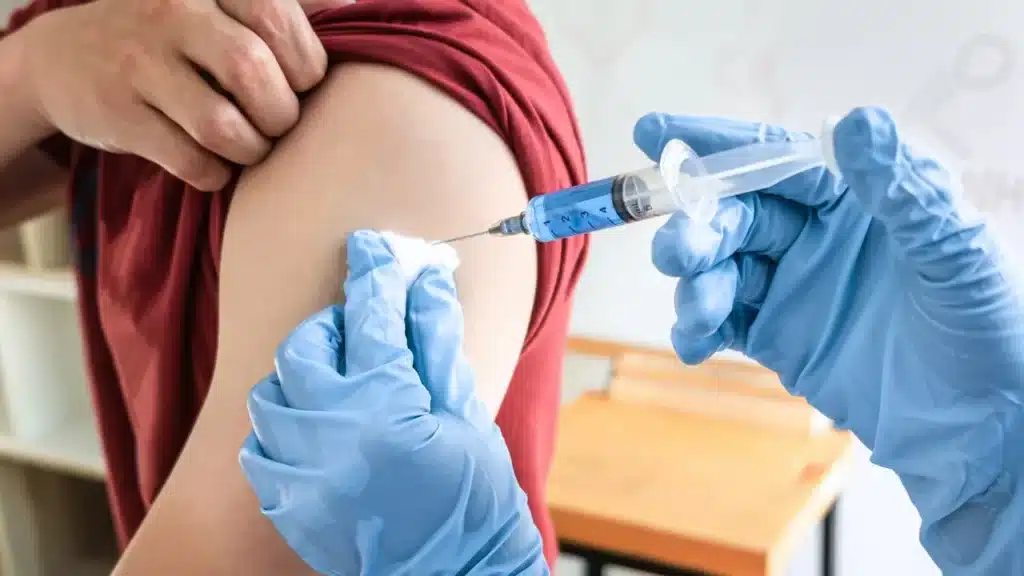
The varicella vaccine is generally safe. Mild side effects may include:
- Redness or soreness at the injection site
- Mild fever
- Mild rash near the injection site
Serious side effects are rare, but as with all vaccines, allergic reactions can occur. Those with weakened immune systems or specific allergies should consult a healthcare provider before vaccination.
Chickenpox in Indonesia and Bali
While Indonesia’s national immunization program does not universally include the varicella vaccine as part of the mandatory routine childhood schedule, the vaccine is widely available through private healthcare providers and is strongly recommended by medical professionals. Vaccination is particularly important for individuals who have never had chickenpox, have no documented history of immunization, or belong to higher-risk groups such as adolescents, adults, healthcare workers, and people with weakened immune systems. Because chickenpox can be more severe when contracted later in life, many families choose to vaccinate their children proactively to reduce the risk of complications and transmission within households or schools.
In tropical destinations like Bali, where international travel, dense communities, and active social environments are common, vaccination becomes even more relevant. Bali attracts millions of visitors each year, including tourists, digital nomads, expatriate families, and long-term residents. Close interactions in schools, coworking spaces, resorts, and recreational areas can increase the potential for virus spread among individuals who lack immunity. As a result, many travelers and expatriates seek varicella vaccination before or during their stay in Bali to ensure protection, avoid unexpected illness, and prevent disruptions to travel plans or work commitments.
Vaccination Services in Bali: Saline Bali Clinic

For residents and travelers in Bali, Varicella vaccination is available through private providers. One well-known provider is Saline Bali Clinic, located in Seminyak, Bali:
Saline Bali Clinic
Saline Bali Clinic is a modern and professional healthcare facility that offers a comprehensive range of medical services designed to meet the needs of both local residents and international visitors. The clinic provides general medical check-ups, doctor consultations, diagnostic services, IV therapy, and a variety of vaccination programs. With a patient-focused approach and experienced medical staff, Saline Bali Clinic emphasizes safety, comfort, and international-standard care. For added convenience, the clinic offers both in-clinic appointments and home-service visits, allowing patients to receive medical attention in the comfort of their villa, hotel, or residence, an option that is especially appreciated by families with children, busy professionals, or travelers who prefer private care.
Among its vaccination services, Saline Bali Clinic provides the Varicella vaccine (Varivax), a live-attenuated vaccine specifically designed to prevent chickenpox by stimulating the body’s immune system to develop protection before exposure to the virus. Varivax is administered as a subcutaneous injection, typically given under the skin in the upper arm. Before vaccination, patients receive a medical consultation and health assessment to ensure suitability and safety. After administration, patients are monitored briefly to observe any immediate reactions, and they are provided with documentation of their vaccination. This service is ideal for individuals seeking peace of mind while living in or traveling to Bali — particularly families with young children, expatriates, long-term visitors, and tourists who want reliable protection against chickenpox during their stay on the island.
Who Should Get Vaccinated?
The World Health Organization and health authorities generally recommend varicella vaccination for:
- Children at around 12–15 months of age (with a second dose later).
- Adolescents and adults without immunity (no history of chickenpox or previous vaccination).
- Individuals at higher risk of exposure (e.g., health workers, caregivers).
- Travelers to regions with high transmission rates and those without documented immunity.
Chickenpox Vaccination for Travelers to Bali
For visitors planning to stay in Bali — whether short-term tourists or long-term expatriates — getting vaccinated can reduce the risk of contracting chickenpox, which might otherwise disrupt travel plans and daily life. Bali’s warm climate and active tourism scenes (schools, playgrounds, family resorts) can facilitate virus spread in communities where immunity is incomplete.
Chickenpox (Varicella) remains a common viral infection that can affect people of all ages. While usually mild in children, it can cause severe illness and complications in adults, pregnant women, and people with weakened immune systems. The disease spreads easily through respiratory droplets and direct contact with infected individuals.
The best way to prevent chickenpox and its complications is through vaccination. The Varivax vaccine, a live attenuated vaccine is highly effective and available at clinics such as Saline Bali Clinic in Bali.
If you are residing in or visiting Bali and have not yet received chickenpox vaccination or lack immunity, consulting with a medical provider about Varivax could greatly reduce your risk of infection and help ensure a healthier stay on this beautiful island.
Frequently Asked Questions

What is the Varicella vaccine?
The Varicella vaccine is a vaccine designed to protect against chickenpox, a highly contagious disease caused by the Varicella-zoster virus (VZV). The most commonly used vaccine is a live-attenuated vaccine, meaning it contains a weakened form of the virus that stimulates the immune system without causing severe illness. It helps the body build immunity before exposure to the actual virus.
Who should get the Varicella vaccine?
The vaccine is recommended for children starting at 12–15 months of age, followed by a second dose. It is also advised for adolescents and adults who have never had chickenpox and have not been vaccinated. Individuals at higher risk of exposure — such as healthcare workers, teachers, caregivers, travelers, and expatriates — are also encouraged to receive the vaccine if they lack immunity.
How many doses of the Varicella vaccine are needed?
The standard schedule consists of two doses for optimal protection. For children, the first dose is typically given at 12–15 months, and the second dose at least 3 months later (or according to medical guidance). Older children, teenagers, and adults who have never been vaccinated usually receive two doses spaced several weeks apart, depending on the healthcare provider’s recommendation.
Is the Varicella vaccine safe?
Yes, the Varicella vaccine is considered safe and effective. Most side effects are mild and may include redness or soreness at the injection site, mild fever, or a small rash. Serious side effects are rare. As with any vaccine, individuals with weakened immune systems or certain medical conditions should consult a healthcare professional before vaccination.
Can someone still get chickenpox after being vaccinated?
It is possible, but uncommon. In rare cases, a vaccinated person may develop what is called a “breakthrough infection.” However, symptoms are usually much milder, with fewer skin lesions, lower fever, and faster recovery compared to unvaccinated individuals. Most importantly, vaccination significantly reduces the risk of severe complications and hospitalization.