
Digestive infections can affect anyone during travel, daily activities, or seasonal outbreaks. Many patients experience stomach pain, diarrhea, nausea, and dehydration without understanding the exact cause.
A gastrointestinal infection test helps medical professionals identify harmful bacteria, viruses, or parasites inside the digestive tract. Early diagnosis supports faster treatment, prevents complications, and improves overall recovery outcomes.
Understanding Gastrointestinal Infections
Gastrointestinal infections develop when harmful microorganisms enter the digestive system and disrupt normal digestive functions. These infections commonly affect the stomach, intestines, or both areas simultaneously.
Many cases spread through contaminated food, unsafe drinking water, or poor hygiene practices. Viral and bacterial infections remain the most common causes worldwide, especially in tropical destinations and crowded environments.
The digestive system normally protects the body from harmful pathogens through stomach acid and immune responses. However, weakened immunity, contaminated meals, or poor sanitation can overcome those natural defenses quickly.
Patients may experience mild symptoms lasting several days, while severe cases require immediate medical intervention. Understanding early symptoms remains essential for preventing dehydration and prolonged digestive complications.
What Is a Gastrointestinal Infection Test?

A gastrointestinal infection test identifies microorganisms causing digestive symptoms inside the body. Healthcare providers use several laboratory methods depending on symptom severity and suspected infection sources.
Doctors often recommend testing when diarrhea persists longer than several days or includes blood contamination. Severe dehydration, recurring vomiting, fever, or abdominal cramps also indicate the need for medical examination.
Laboratory testing may involve stool analysis, blood tests, or molecular diagnostic screening for specific pathogens. These procedures help physicians determine whether bacteria, viruses, or parasites are responsible for the infection.
Accurate diagnosis improves treatment precision and reduces unnecessary antibiotic use among patients. Proper testing also minimizes infection spread within households, hotels, workplaces, and travel destinations.
Common Symptoms of Gastrointestinal Infections

Digestive infections usually produce noticeable symptoms affecting stomach comfort, hydration levels, and bowel movement frequency. Symptoms can appear suddenly and worsen rapidly without proper treatment.
Diarrhea and Frequent Bowel Movements
Diarrhea remains the most common symptom associated with gastrointestinal infections worldwide. Patients often experience loose stools several times daily with increasing urgency and discomfort.
Severe diarrhea may lead to dehydration, electrolyte imbalance, and physical weakness within short periods. Young children and elderly individuals face higher risks from prolonged fluid loss.
Some bacterial infections also produce bloody diarrhea accompanied by fever and intense abdominal pain. These conditions require immediate evaluation through a gastrointestinal infection test for accurate diagnosis.
Nausea and Vomiting
Nausea frequently develops during the early stages of digestive tract infections. Vomiting may follow quickly as the body attempts eliminating harmful microorganisms naturally.
Persistent vomiting reduces the body’s ability to maintain hydration and nutritional intake effectively. Many patients experience dizziness, fatigue, and headaches after repeated vomiting episodes.
Viral infections commonly trigger nausea and vomiting more aggressively than certain bacterial conditions. Symptoms usually improve gradually after supportive hydration and appropriate medical management.
Abdominal Pain and Cramping
Inflammation inside the digestive tract often causes abdominal pain and uncomfortable cramping sensations. Pain intensity varies depending on infection severity and affected digestive regions.
Some patients describe sharp lower abdominal pain, while others report generalized stomach discomfort throughout the day. Cramping may worsen immediately after eating or drinking contaminated foods.
Persistent abdominal pain combined with fever or bloody stools requires urgent medical evaluation immediately. Healthcare providers often recommend stool analysis for patients experiencing severe digestive pain.
Fever and Fatigue
The immune system commonly responds to gastrointestinal infections by increasing body temperature significantly. Fever indicates active immune defense against harmful pathogens inside the digestive system.
Patients frequently experience muscle weakness, exhaustion, and reduced physical energy during active infection stages. Poor nutrient absorption and dehydration further contribute to extreme fatigue symptoms.
High fever lasting several days may suggest bacterial or parasitic infection requiring professional treatment. Medical evaluation helps determine appropriate medications and supportive recovery strategies effectively.
Main Causes of Gastrointestinal Infections

Several microorganisms contribute to gastrointestinal infections across different regions and environmental conditions. Understanding these causes helps patients reduce infection risks during travel and daily activities.
Viral Infections
Viruses represent one of the leading causes of digestive infections globally each year. Norovirus and rotavirus commonly spread through contaminated surfaces, food handling, and close physical contact.
Viral infections often spread rapidly inside hotels, cruise ships, schools, and crowded public areas. Symptoms usually appear suddenly and affect multiple individuals simultaneously within shared environments.
Most viral gastrointestinal infections improve naturally through rest, hydration, and symptom management. However, severe dehydration may require intravenous fluid treatment in clinical facilities.
Bacterial Infections
Bacterial contamination frequently develops through undercooked food, unsafe water, or improper food storage conditions. Salmonella, Escherichia coli, and Campylobacter remain common bacterial digestive pathogens.
Patients infected with bacteria often experience fever, abdominal cramps, and persistent diarrhea symptoms. Some cases involve bloody stools and severe dehydration requiring antibiotic treatment.
A gastrointestinal infection test helps doctors identify specific bacteria before prescribing targeted medications. Accurate diagnosis prevents unnecessary antibiotic resistance and improves patient recovery efficiency.
Parasitic Infections
Parasites commonly spread through contaminated water, unwashed vegetables, or poor sanitation environments. Travelers visiting tropical destinations face increased exposure risks from untreated water sources.
Parasitic infections may produce prolonged digestive symptoms lasting several weeks without proper treatment. Patients frequently experience bloating, stomach discomfort, fatigue, and recurring diarrhea episodes.
Laboratory stool analysis often detects parasitic organisms responsible for chronic digestive disturbances. Early treatment reduces complications and supports faster digestive recovery for affected individuals.
Risk Factors That Increase Infection Exposure

Certain conditions significantly increase susceptibility to gastrointestinal infections among adults and children. Understanding these factors supports stronger prevention and personal health protection strategies.
Traveling to unfamiliar destinations often exposes individuals to different bacteria and sanitation standards. Many travelers consume contaminated food unknowingly during vacations or business activities abroad.
Poor hand hygiene remains another major contributor to infection transmission within communities worldwide. Inadequate sanitation allows microorganisms spreading rapidly through surfaces, utensils, and shared facilities.
Individuals with weakened immune systems also face greater risks from digestive infections and complications. Chronic illnesses, stress, and nutritional deficiencies may reduce natural immune protection significantly.
Children and elderly adults remain especially vulnerable because their immune responses function less efficiently. Early medical evaluation becomes essential when symptoms worsen rapidly among vulnerable populations.
How Doctors Diagnose Gastrointestinal Infections
Accurate diagnosis remains essential for determining appropriate treatment and avoiding unnecessary complications. Healthcare providers evaluate symptoms, travel history, and physical conditions before recommending laboratory examinations.
Doctors usually ask patients about recent meals, water sources, and international travel experiences carefully. These details help identify possible exposure to contaminated food or environmental pathogens.
A gastrointestinal infection test often includes stool examination for bacteria, parasites, or viral microorganisms. Advanced molecular testing may detect infections faster with improved laboratory accuracy.
Blood tests sometimes evaluate dehydration severity, inflammation levels, or systemic infection complications within the body. Severe cases may require imaging procedures when abdominal complications become suspected clinically.
Early testing improves treatment effectiveness and helps patients recover more comfortably and safely. Prompt diagnosis also reduces infection transmission among family members and surrounding communities.
Types of Gastrointestinal Infection Tests
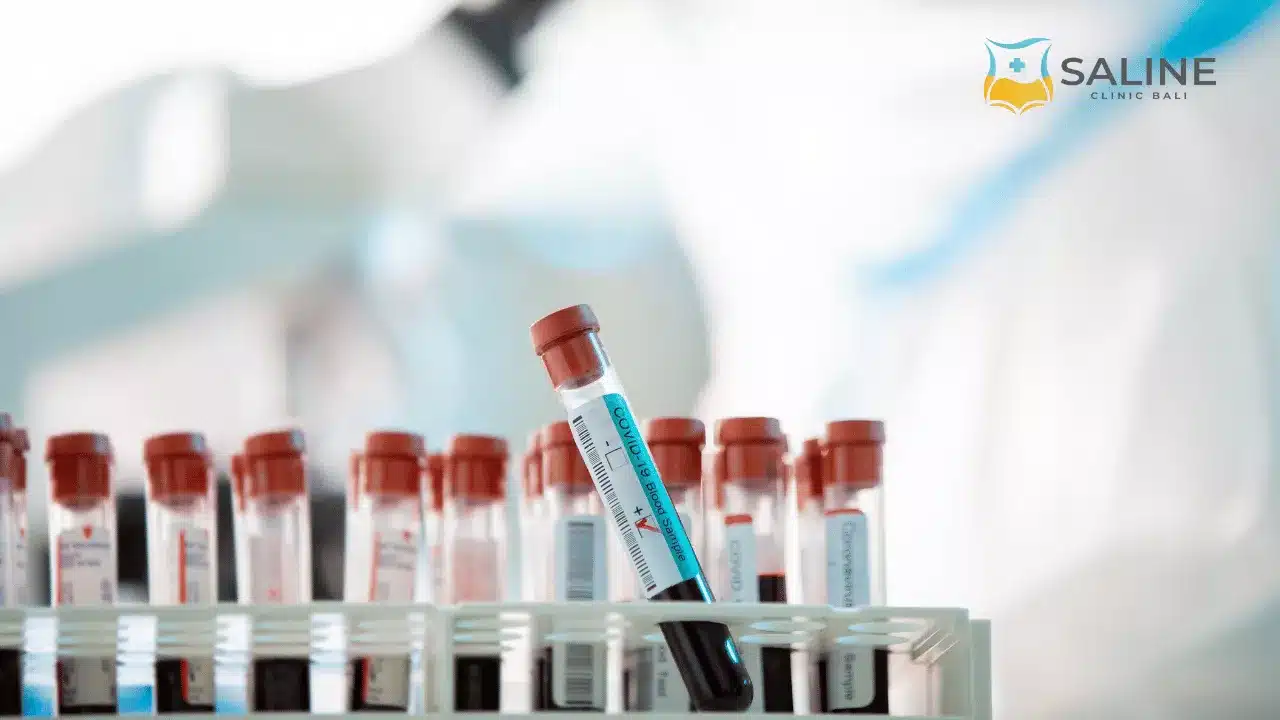
Several laboratory methods support accurate diagnosis for digestive tract infections and related complications. Different tests provide specific information depending on symptom severity and suspected pathogens.
Stool Culture Test
A stool culture identifies harmful bacteria growing inside the digestive system after contamination exposure. Laboratory specialists analyze stool samples carefully to detect bacterial colonies accurately.
This method commonly diagnoses Salmonella, Shigella, and Campylobacter infections among symptomatic patients effectively. Results may require several days depending on bacterial growth characteristics.
Doctors frequently recommend stool cultures for persistent diarrhea accompanied by fever or bloody stools. Proper diagnosis improves antibiotic selection and reduces unnecessary medication use significantly.
Polymerase Chain Reaction Testing
Polymerase chain reaction testing detects microbial genetic material using advanced molecular laboratory technology. This diagnostic method provides faster results compared with traditional stool cultures.
PCR testing identifies bacteria, viruses, and parasites simultaneously from a single patient sample efficiently. Many hospitals prefer this approach because of its high diagnostic sensitivity.
A modern gastrointestinal infection test using PCR technology supports quicker treatment decisions for physicians. Faster diagnosis reduces symptom duration and improves patient recovery outcomes considerably.
Blood Tests
Blood testing evaluates dehydration severity, infection response, and possible systemic complications affecting patient health. Doctors may analyze electrolyte levels alongside inflammatory markers during examination.
Severe infections occasionally spread beyond the digestive tract into other body systems dangerously. Blood tests help physicians identify those complications before conditions worsen further.
Laboratory findings support treatment planning, especially for hospitalized patients experiencing significant dehydration symptoms. Early monitoring improves patient safety during active gastrointestinal infections.
Treatment Options for Gastrointestinal Infections

Treatment depends on infection severity, underlying causes, and patient hydration conditions during examination. Most mild infections improve gradually with supportive care and sufficient fluid replacement.
Hydration and Electrolyte Support
Hydration remains the most important treatment component for digestive infection recovery and stabilization. Diarrhea and vomiting rapidly reduce essential body fluids and electrolyte balance.
Patients should consume oral rehydration solutions, water, and electrolyte beverages regularly throughout recovery periods. Severe dehydration may require intravenous fluid therapy inside medical facilities.
Proper hydration improves circulation, kidney function, and digestive healing during active infection management significantly. Early fluid replacement also prevents dangerous complications among vulnerable patient groups.
Medications and Antibiotics
Doctors may prescribe medications depending on confirmed infection causes and symptom severity levels. Viral infections usually require supportive treatment instead of antibiotic intervention.
Bacterial infections occasionally require targeted antibiotics after laboratory confirmation through diagnostic testing procedures. Incorrect antibiotic use may worsen symptoms or contribute toward antimicrobial resistance development.
Antiparasitic medications help eliminate parasites responsible for prolonged digestive symptoms among affected patients. Proper medical supervision ensures safe treatment and effective symptom improvement consistently.
Dietary Adjustments During Recovery
Patients recovering from gastrointestinal infections should follow gentle dietary recommendations carefully. Soft foods support digestive healing while reducing additional irritation within the intestinal tract.
Rice, bananas, toast, and soup often provide easier digestion during early recovery stages. Spicy foods, dairy products, and alcohol should remain avoided temporarily after infection episodes.
Small frequent meals usually improve digestive comfort compared with large heavy food portions. Nutritional recovery supports immune function and restores overall body strength gradually.
Prevention Strategies for Gastrointestinal Infections
Preventive measures significantly reduce digestive infection risks during travel and everyday activities consistently. Good hygiene practices remain the strongest defense against harmful digestive pathogens.
Handwashing with soap before eating and after restroom use reduces microbial contamination effectively. Travelers should also avoid consuming untreated water from uncertain environmental sources.
Proper food preparation prevents bacterial contamination during cooking and meal storage processes safely. Meat products require complete cooking temperatures before safe human consumption becomes possible.
Individuals traveling internationally should choose reputable restaurants with strong hygiene standards consistently. Freshly cooked meals generally provide safer options compared with uncooked street food products.
Vaccination may also help prevent certain viral gastrointestinal infections among vulnerable populations globally. Preventive healthcare improves long term digestive safety during domestic and international travel.
Gastrointestinal Infection vs Bali Belly

Many travelers visiting tropical destinations confuse gastrointestinal infections with Bali Belly symptoms frequently. Although related, these conditions differ slightly regarding causes and travel associations.
Bali Belly refers specifically to traveler’s diarrhea commonly experienced by tourists visiting Bali and nearby regions. Contaminated food, ice cubes, or drinking water usually trigger these digestive disturbances.
A gastrointestinal infection represents a broader medical condition involving bacteria, viruses, or parasites affecting digestion. Bali Belly generally falls within this larger category of digestive infections medically.
Symptoms often overlap significantly, including diarrhea, stomach cramps, nausea, and dehydration among affected travelers. However, Bali Belly usually develops during travel exposure and improves within several days.
A gastrointestinal infection test becomes important when symptoms persist beyond typical Bali Belly recovery periods. Persistent fever, bloody stools, or prolonged diarrhea may indicate more serious digestive infections.
Travelers experiencing severe symptoms should seek professional medical assessment immediately during their Bali stay. Early diagnosis helps prevent worsening dehydration and dangerous infection complications effectively.
When to Seek Medical Attention
Many gastrointestinal infections improve naturally within several days using supportive hydration and rest measures. However, certain symptoms require immediate professional medical evaluation and treatment support.
Persistent diarrhea lasting longer than three days may indicate severe infection requiring laboratory testing procedures. Bloody stools, high fever, and severe abdominal pain also demand urgent medical attention.
Children and elderly patients face higher dehydration risks during prolonged digestive infection episodes significantly. Reduced urination, dizziness, or confusion may indicate dangerous fluid loss complications.
Travelers experiencing worsening symptoms after consuming contaminated food should seek immediate clinical evaluation promptly. Early intervention improves recovery outcomes and reduces serious health complications considerably.
Medical professionals can recommend an appropriate gastrointestinal infection test based on symptom presentation accurately. Proper diagnosis ensures targeted treatment and safer recovery experiences for affected patients.
Recovery and Rest Support at Saline Bali Clinic

Digestive infections can disrupt vacations, business trips, and daily activities across Bali unexpectedly. Proper medical care and comfortable recovery environments remain essential during healing periods.
Saline Bali Clinic provides healthcare support for travelers and residents experiencing digestive health concerns in Bali. The clinic offers professional consultation, hydration therapy, and laboratory examination services for gastrointestinal symptoms.
Patients requiring a gastrointestinal infection test may receive medical evaluation and diagnostic recommendations from experienced healthcare professionals. Early testing helps identify underlying infections while supporting faster treatment planning.
The clinic also supports patients needing rest and recovery assistance during uncomfortable digestive illness episodes. Comfortable healthcare environments help patients recover safely while minimizing travel related stress.
Travelers experiencing symptoms similar to Bali Belly should seek medical attention before complications worsen unexpectedly. Professional care, hydration support, and accurate diagnosis improve recovery experiences significantly during Bali stays.
Conclusion
Gastrointestinal infections affect millions of individuals worldwide through contaminated food, water, and environmental exposure. Symptoms commonly include diarrhea, nausea, abdominal pain, fever, and dehydration complications.
A proper gastrointestinal infection test helps identify bacteria, viruses, or parasites causing digestive symptoms accurately. Early diagnosis improves treatment precision while reducing unnecessary complications and prolonged illness durations.
Preventive hygiene practices, safe food handling, and clean water consumption remain essential protective strategies daily. Travelers visiting tropical destinations should remain cautious regarding sanitation and food safety standards.
Medical evaluation becomes necessary when symptoms worsen or continue beyond normal recovery expectations significantly. Prompt treatment and supportive hydration improve recovery outcomes while protecting long term digestive health.
Frequently Asked Questions

What is a gastrointestinal infection test?
A gastrointestinal infection test is a medical examination used to identify bacteria, viruses, or parasites causing digestive symptoms.
What are common symptoms of gastrointestinal infections?
Common symptoms include diarrhea, nausea, vomiting, stomach cramps, fever, and dehydration.
How long does a gastrointestinal infection usually last?
Most mild infections improve within one to three days with proper hydration and rest.
Is Bali Belly the same as a gastrointestinal infection?
Bali Belly is a type of traveler’s diarrhea, while gastrointestinal infection is a broader medical condition involving digestive pathogens.
When should I see a doctor for digestive infection symptoms?
Seek medical attention if symptoms include bloody diarrhea, severe dehydration, high fever, or prolonged stomach pain.