Swimmers ear treatment Bali is important for travelers who develop ear pain after swimming, surfing, snorkeling, or diving. Early medical care helps prevent worsening infection and supports a safer holiday recovery.
Bali is famous for beaches, pools, waterfalls, diving spots, and surf breaks. These water activities create unforgettable travel experiences, but they may also increase ear infection risk. Swimmer’s ear is medically known as otitis externa, which affects the outer ear canal. This condition often develops when trapped moisture supports bacterial growth inside the ear canal.
Many visitors ignore early ear discomfort because they expect it to disappear naturally. However, swimmer’s ear can become painful when swelling, irritation, and discharge begin to develop. Proper diagnosis matters because ear pain may also come from wax blockage, middle ear infection, or pressure injury. A doctor can check the ear safely and recommend suitable treatment based on the actual cause.
This guide explains symptoms, causes, prevention, and safe swimmers ear treatment Bali options. The main recommendation is to visit a doctor for proper examination, especially when pain continues or worsens. Saline Bali Clinic can support travelers with professional medical care during their stay in Bali.
What Is Swimmer’s Ear?

Swimmer’s ear is an outer ear canal infection that often appears after repeated water exposure. Understanding this condition helps travelers respond early before symptoms become more uncomfortable.
Swimmer’s ear occurs when the skin inside the ear canal becomes irritated, inflamed, or infected. Moisture trapped in the ear canal creates an environment where bacteria can grow more easily. The infection does not only affect professional swimmers or surfers. Tourists can experience it after swimming in hotel pools, ocean water, waterfalls, or spas. Bali’s humid climate may also make ears dry more slowly after water activities. Recent Bali medical guidance notes that ocean water, pools, showers, and humidity can contribute to trapped moisture.
This condition is different from a middle ear infection, which occurs behind the eardrum. Swimmer’s ear usually affects the outer canal and often causes pain when touching the ear. Because the symptoms can overlap with other ear problems, medical assessment is still recommended.
Why Swimmer’s Ear Is Common in Bali
Bali’s tropical weather and active water lifestyle can increase swimmer’s ear risk for travelers. Frequent swimming, surfing, and humidity may allow moisture to stay inside the ear canal longer.
Many travelers spend several days moving between beaches, pools, and waterfalls during their Bali holiday. Repeated water exposure may prevent the ear canal from drying properly between activities. This moisture may weaken the protective ear canal environment and support bacterial growth. Cotton swab use can increase irritation because it may scratch the canal or push wax deeper.
Surfing and diving can also expose the ears to water pressure and repeated wet conditions. Tourists may feel mild fullness at first, then develop pain after another swimming session. Some visitors continue water activities even when the ear already feels irritated. This habit can worsen inflammation and delay recovery.
Bali’s warm and humid environment may also make symptoms feel more persistent. Humidity can slow drying, while sweat and sunscreen may irritate sensitive skin around the ear. For this reason, swimmers ear treatment Bali should focus on diagnosis, medication when needed, and water avoidance during healing.
Common Symptoms of Swimmer’s Ear
Early swimmer’s ear symptoms often begin with itching, fullness, or mild discomfort inside one ear. Symptoms can become stronger when inflammation spreads through the outer ear canal.
Common symptoms include itching inside the ear canal, pain, redness, swelling, and watery discharge. Some patients also experience yellow discharge, pus-like fluid, temporary hearing loss, or ear fullness.
Pain may become worse when chewing, lying on the affected side, or touching the outer ear. The ear canal may feel blocked because swelling reduces the available space for sound. This can create temporary muffled hearing that improves when inflammation is treated. Discharge may also appear if infection becomes more active inside the ear canal.
Fever, severe pain, spreading redness, or significant hearing loss need prompt medical attention. These signs may suggest a worsening infection or another condition requiring urgent care. Travelers with diabetes, weak immunity, or previous ear surgery should seek care earlier. These groups may face higher complication risks when ear infections are left untreated.
When Should You See a Doctor in Bali?

A doctor should examine ear pain that continues, worsens, or affects hearing during your trip. Professional care is especially important when symptoms do not improve after careful home measures.
You should see a doctor if ear pain becomes severe or interferes with sleep. Medical attention is also needed when discharge persists, smells bad, or lasts beyond two days. Fever, dizziness, spreading redness, ringing, or hearing loss should not be ignored. Guidance from Bali clinics recommends medical care for severe pain, fever, dizziness, discharge, or worsening symptoms.
Travelers should avoid self-diagnosing ear pain because several conditions can feel similar. Wax buildup, barotrauma, eardrum injury, and middle ear infection may require different management. Using the wrong ear drops may worsen irritation or become unsafe when the eardrum is damaged. A doctor can inspect the ear canal and identify the safest treatment option.
Medical care is also important before flying when the ear feels blocked or painful. Pressure changes during flights may worsen discomfort when inflammation or infection is present. A doctor can provide travel advice and determine whether flying precautions are needed. This is one reason timely swimmers ear treatment Bali can protect your travel plans.
Safe Swimmers Ear Treatment Bali Options
The safest swimmers ear treatment Bali starts with a doctor’s examination and accurate diagnosis. Treatment depends on infection severity, ear canal swelling, discharge, and possible eardrum concerns.
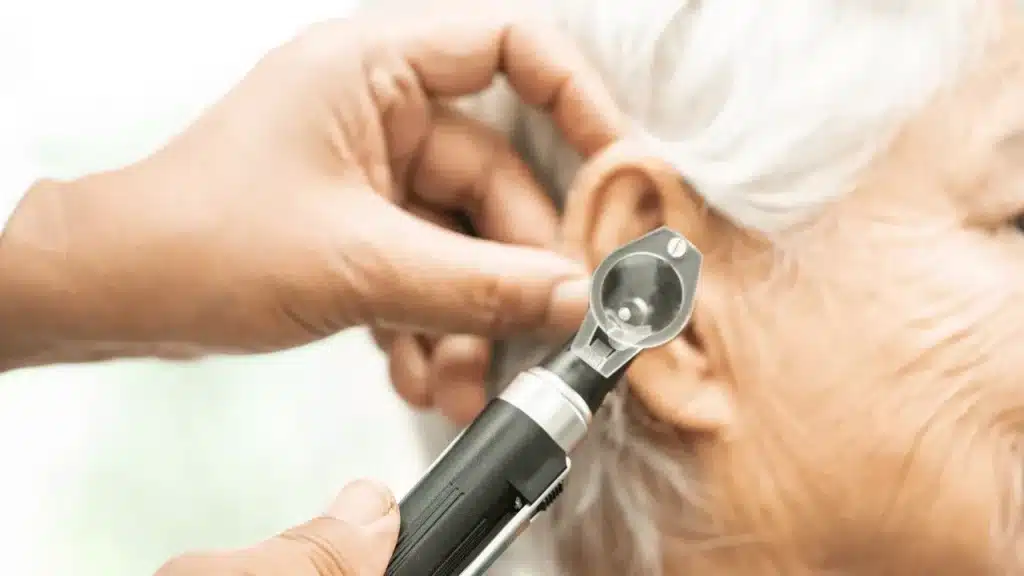
A doctor will usually inspect the ear with a medical instrument called an otoscope. This examination helps identify redness, swelling, discharge, wax blockage, or possible eardrum problems. If swimmer’s ear is diagnosed, treatment may include medicated ear drops based on the condition. These drops may contain antibiotic, antifungal, or anti-inflammatory ingredients when clinically appropriate.
Pain control may also be recommended when ear discomfort affects sleep or daily activities. The doctor may clean the ear canal safely if debris blocks proper medicine contact. Ear cleaning should be done by trained medical staff, not with cotton swabs at home. Incorrect cleaning can scratch the canal and make infection more painful.
Patients are usually advised to keep the ear dry during recovery. Swimming, diving, and surfing should stop until the doctor says the ear has healed. Continuing water activities too early may restart irritation and prolong infection. This practical approach makes doctor-guided swimmers ear treatment Bali more effective for travelers.
What You Can Do Before Seeing a Doctor

Basic home care may reduce irritation while waiting for medical evaluation in Bali. These steps are not a replacement for treatment when symptoms are severe or persistent.
Keep the affected ear dry and avoid swimming until a doctor examines the problem. Gently dry the outside of the ear with a clean towel after bathing. Do not insert cotton swabs, fingers, earbuds, or other objects into the ear canal.
Avoid using random ear drops when you have discharge, severe pain, or suspected eardrum damage. Some drops may not be suitable if the eardrum is perforated or inflamed. Warm compresses placed near the outer ear may help comfort mild discomfort. However, heat should never be placed directly inside the ear canal.
Pain relief medicine may help temporarily when used according to proper instructions. Travelers with allergies, pregnancy, stomach ulcers, kidney disease, or other conditions should ask a clinician first. If symptoms become stronger despite rest and dryness, medical care should be arranged quickly. Home care should support, not replace, proper swimmers ear treatment Bali.
What You Should Avoid During Recovery
Avoiding harmful habits is essential because irritated ear canals can worsen quickly during travel. Simple mistakes may delay healing and make swimmer’s ear more painful.
Do not continue swimming, snorkeling, diving, or surfing when the ear is painful. Water exposure can keep the canal moist and reduce recovery progress. Do not use cotton swabs because they may remove protective wax and scratch delicate skin. Scratches can create small openings where bacteria can enter more easily.
Avoid ear candling because it may cause burns, blockage, or additional injury. Do not share ear drops with friends because different ear problems need different treatment. Avoid scratching the ear, even when itching becomes uncomfortable during the early stage. Scratching can worsen inflammation and increase infection risk.
You should also avoid delaying care when pain is strong or discharge appears. Some travelers wait until symptoms affect hearing or sleep before seeking help. Earlier swimmers ear treatment Bali can reduce complications and help protect your itinerary. Medical care is usually simpler when infection is treated before severe swelling develops.
Prevention Tips for Swimmer’s Ear in Bali

Prevention helps travelers enjoy Bali’s water activities with lower ear infection risk. Keeping ears dry and avoiding irritation are key parts of swimmer’s ear prevention.
Dry your ears gently after swimming, surfing, or showering. Tilt your head to each side and let water drain naturally. Use a towel only around the outer ear, not inside the canal.
Properly fitted swim earplugs may help people who often develop ear infections. However, earplugs should not trap moisture or create pressure discomfort. Replace dirty earplugs and avoid sharing them with other people. After ocean swimming, a fresh water shower can help remove salt, sand, and irritants.
Take breaks from water activities if your ears feel itchy, blocked, or sore. Early discomfort often means the ear canal needs time to recover. People with eczema, frequent ear infections, or narrow ear canals should ask a doctor for prevention advice. Personalized prevention can reduce the need for repeated swimmers ear treatment Bali during longer stays.
Swimmer’s Ear vs Surf Ear in Bali
Swimmer’s ear and surf ear sound similar, but they are different conditions. Knowing the difference helps travelers understand why doctor examination is still necessary.
Swimmer’s ear is usually an infection or inflammation of the outer ear canal. It often develops after moisture, irritation, or bacteria affect the canal skin. Surf ear, also called exostosis, involves bony growths inside the ear canal. This condition is usually linked with repeated cold water and wind exposure over time.
Surfers may experience both problems, especially when water becomes trapped behind narrowed ear canals. A traveler might think they only have water blockage, while infection is also present. Symptoms like pain, discharge, swelling, or hearing changes should be checked properly. The correct diagnosis affects the right treatment plan.
In Bali, water sports are part of the lifestyle and tourism experience. Surfers, divers, and swimmers should pay attention to recurring ear discomfort. Repeated symptoms may need more than short-term drops or temporary drying techniques. Professional swimmers ear treatment Bali helps separate infection from structural ear problems.
Why Doctor Examination Is Better Than Self-Treatment

Doctor examination reduces the risk of using incorrect treatment for the wrong ear condition. This is important because ear pain has several possible causes during travel.
A doctor can see whether the ear canal is swollen, blocked, infected, or injured. This cannot be confirmed accurately by symptoms alone, especially during a busy holiday. Medical staff can also check whether discharge or hearing loss needs further attention. Some cases may require referral to an ENT specialist when symptoms are complex.
Self-treatment may seem convenient, but it can create avoidable risks. Random antibiotic drops may not work if the cause is fungal or noninfectious. Some ear drops may irritate the canal when the skin is already damaged. Medication choices should consider allergy history, pregnancy, child age, and eardrum condition.
Professional care also gives travelers clear instructions about swimming, flying, and follow-up. This guidance is valuable when the patient still has tours, flights, or water activities planned. Doctor-guided swimmers ear treatment Bali provides safer recovery than guessing from symptoms alone. It also helps patients return to holiday activities at the right time.
What to Expect During a Clinic Visit
A clinic visit for swimmer’s ear is usually simple, focused, and travel-friendly. The doctor will assess symptoms, examine the ear, and recommend the safest treatment.
You may be asked when symptoms started and whether you recently swam or surfed. The doctor may ask about discharge, hearing changes, fever, dizziness, or previous ear problems. Your medication allergies and current medical conditions are also important for treatment decisions. This information helps reduce risks and supports personalized medical care.
The ear examination may feel slightly uncomfortable if the canal is swollen. However, it is important for confirming the diagnosis and checking for complications. If debris or wax blocks the canal, the doctor may recommend safe medical cleaning. Medication instructions will usually include how often to use drops and how long treatment should continue.
The doctor may also explain warning signs that require follow-up. These include worsening pain, persistent fever, increasing discharge, or hearing changes. Travelers should follow the full treatment plan, even when symptoms improve earlier. Stopping treatment too soon may allow infection to return.
Saline Bali Clinic for Swimmers Ear Treatment Bali

Saline Bali Clinic can help travelers access professional medical support without disrupting their holiday. The clinic is ready to assist patients in Bali with responsive care and practical treatment guidance.
When ear pain appears during a vacation, fast and reliable medical access becomes very important. Saline Bali Clinic provides doctor consultation for travelers who need assessment after swimming, surfing, or diving. The medical team can evaluate symptoms, check the ear safely, and recommend appropriate treatment. This makes Saline Bali Clinic a helpful choice for swimmers ear treatment Bali.
Saline Bali Clinic also understands that travelers may feel uncomfortable visiting a clinic while staying far away. The team can assist patients at the clinic and may support hotel or villa visit arrangements when available. This service helps visitors receive medical attention while staying comfortable in their accommodation. It is especially helpful when pain, fever, or dizziness makes travel difficult.
Choosing Saline Bali Clinic means choosing medical care that supports your Bali experience. The goal is not only treating symptoms, but also helping you recover safely and confidently. If ear pain affects your trip, contact Saline Bali Clinic for proper examination and professional care. Early support can help protect your health and keep your holiday more comfortable.
Final Thoughts
Swimmer’s ear is common in Bali because water activities and humidity are part of daily travel experiences. Proper care helps prevent worsening pain, discharge, and avoidable holiday disruption.
Swimmers ear treatment Bali should begin with safe ear habits and timely medical evaluation. Mild discomfort may improve with dryness and rest, but persistent pain needs proper examination. Avoid cotton swabs, random drops, and continued swimming when symptoms are already present. These steps help reduce irritation while waiting for professional care.
For reliable support, Saline Bali Clinic can help travelers manage ear pain during their stay. Doctor-guided treatment is the safest choice when symptoms continue, worsen, or affect hearing. With the right care, many patients can recover comfortably and return to their Bali plans safely.
Frequently Asked Question

What is swimmer’s ear?
Swimmer’s ear is an infection or inflammation of the outer ear canal. It often happens when water stays trapped inside the ear after swimming, surfing, or diving.
What are common symptoms of swimmer’s ear?
Common symptoms include ear pain, itching, redness, swelling, discharge, and temporary hearing loss. Pain may become worse when touching or pulling the ear.
When should I see a doctor for swimmer’s ear in Bali?
You should see a doctor when ear pain becomes severe, discharge appears, hearing changes, or symptoms do not improve. Medical care is also important before flying.
Can swimmer’s ear heal on its own?
Mild irritation may improve with rest and keeping the ear dry. However, an infection often needs proper diagnosis and medicated treatment from a doctor.
Where can I get swimmers ear treatment in Bali?
You can visit Saline Bali Clinic for swimmers ear treatment Bali. The clinic can help with doctor consultation, proper examination, and treatment guidance during your stay.