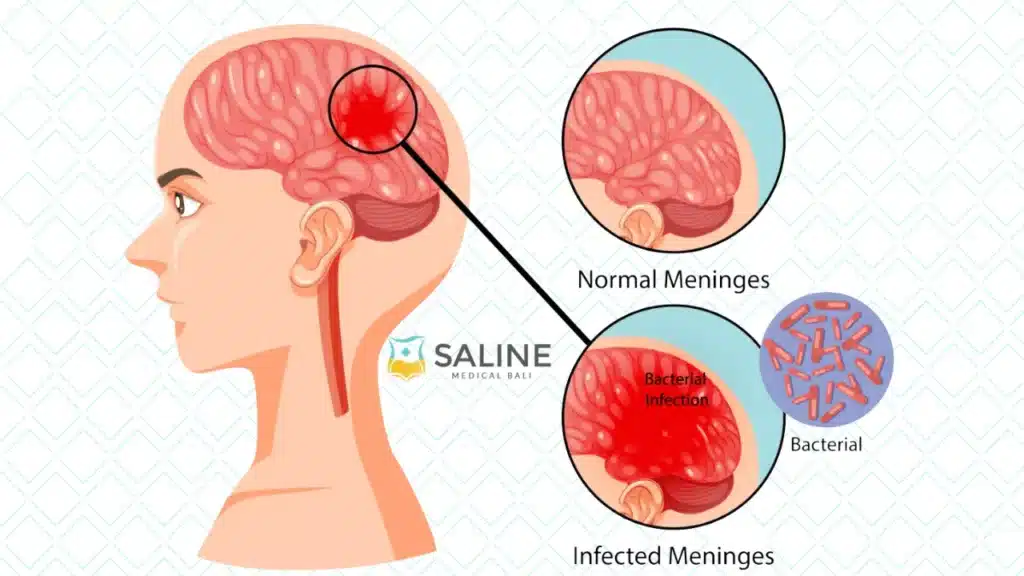
Meningococcal disease is caused by the bacterium Neisseria meningitidis and is best known for triggering meningitis—an inflammation of the protective membranes surrounding the brain and spinal cord—as well as severe bloodstream infections (septicemia). What makes this illness particularly dangerous is its rapid progression. Early symptoms such as fever, headache, stiff neck, nausea, sensitivity to light, or confusion may resemble common viral infections. But the condition can deteriorate quickly into seizures, organ failure, shock, or permanent neurological damage. Infants, young children, adolescents, older adults, and individuals with weakened immune systems are among the most vulnerable groups. Even with prompt medical treatment, meningococcal disease carries significant risks of long-term complications, including hearing loss, limb amputations, and cognitive impairment.
Understanding Meningococcal Disease
Meningococcal disease is caused by the bacterium Neisseria meningitidis, which can lead to meningitis—inflammation of the membranes surrounding the brain and spinal cord—and septicemia (bloodstream infection). The disease manifests through alarming symptoms including high fever, severe headache, stiff neck, nausea, vomiting, sensitivity to light (photophobia), and altered mental status. What makes this infection particularly dangerous is its rapid progression; a healthy individual can become critically ill within 24 hours of exposure.
The consequences of untreated or delayed treatment of meningococcal disease extend beyond immediate mortality risks. Survivors often face long-term disabilities including permanent hearing loss, significant brain damage, kidney impairment, limb amputation, and chronic nervous system disorders. These devastating outcomes underscore why prevention through vaccination remains the most effective strategy against this formidable pathogen.
Types of Meningitis Vaccines Available
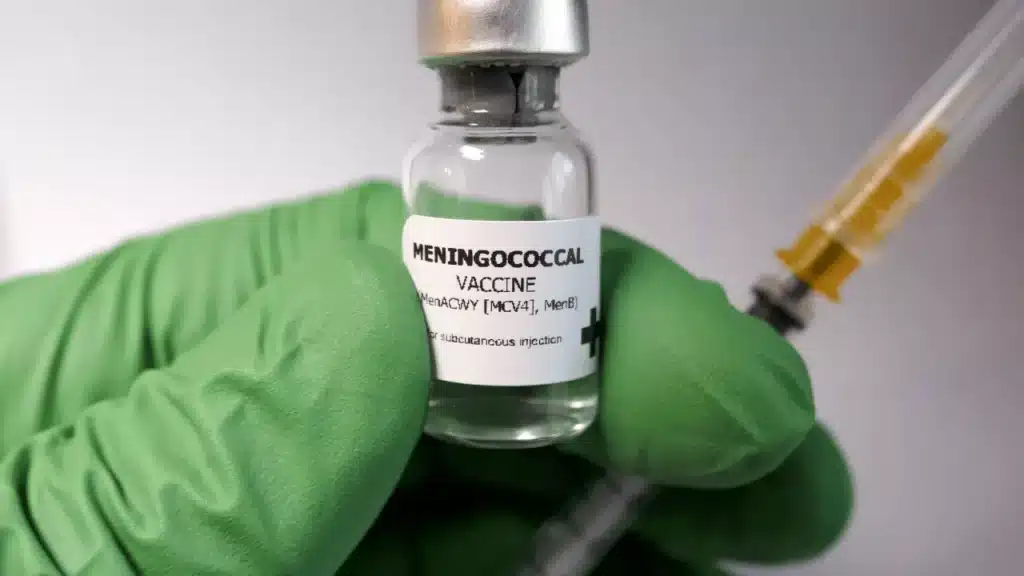
The pharmaceutical industry has developed several formulations of Meningitis Vaccine to combat different serogroups of Neisseria meningitidis. The most common vaccines target serogroups A, C, W, and Y, which are responsible for the majority of invasive meningococcal disease cases worldwide. Understanding the differences between available vaccines helps healthcare providers and patients make informed decisions about immunization.
MENACTRA represents one of the leading conjugate vaccines available globally. Manufactured by Sanofi Pasteur in France, this vaccine contains polysaccharides from serogroups A, C, Y, and W-135 conjugated to diphtheria toxoid. The conjugation process enhances the immune response, particularly in young children, by creating a stronger and longer-lasting immunity compared to older polysaccharide-only formulations. MENACTRA is administered intramuscularly and is approved for use in individuals as young as 9 months of age. For travelers requiring documentation, this vaccine provides protection valid for 5 years on the International Certificate of Vaccination (ICV), commonly known as the Yellow Book.
MENIVAX ACYW serves as another important option, particularly within Indonesia. Produced by Bio Farma, this polysaccharide vaccine protects against the same four serogroups (A, C, Y, and W-135). Unlike conjugate vaccines, MENIVAX is administered subcutaneously (under the skin) rather than intramuscularly. This vaccine is indicated for individuals aged 2 years and older. For international travel purposes, MENIVAX provides valid documentation for 2 years on the ICV. The vaccine requires storage between 2°C to 8°C and protection from light to maintain efficacy.
MENQUADFI represents the newest advancement in meningococcal vaccination technology. This innovative vaccine combines the benefits of broad serogroup protection with an improved safety profile and extended validity period. Like other quadrivalent vaccines, MENQUADFI protects against serogroups A, C, W, and Y, but utilizes tetanus toxoid as the carrier protein for conjugation. Each 0.5 ml dose contains 10 micrograms of polysaccharide from each of the four serogroups, conjugated to 55 micrograms of tetanus toxoid carrier protein.
Vaccination Schedules and Recommendations
The administration of Meningitis Vaccine follows specific schedules based on age, risk factors, and travel requirements. For infants and young children, conjugate vaccines like MENACTRA offer early protection. Children aged 9 through 23 months who are traveling to or residing in endemic areas receive two doses, spaced three months apart. This priming schedule ensures adequate immune development in this vulnerable age group.
For children 12 months and older, adolescents, adults, and the elderly, a single dose of MENQUADFI provides comprehensive protection. This streamlined dosing schedule makes it particularly convenient for travelers and those seeking routine immunization. The vaccine’s validity extends to 5 years on the International Certificate of Vaccination, matching the duration provided by MENACTRA and offering longer protection than polysaccharide alternatives.
Certain populations require particular attention regarding meningococcal vaccination. Laboratory personnel working with Neisseria meningitidis, military recruits living in barracks, college students residing in dormitories, and individuals with complement component deficiencies or functional asplenia face elevated risks and should maintain current vaccination status. Additionally, anyone traveling to the meningitis belt of sub-Saharan Africa or participating in the Hajj or Umrah pilgrimages to Saudi Arabia must present valid vaccination documentation.
Safety Profile and Contraindications
All Meningitis Vaccine formulations demonstrate excellent safety records through extensive clinical trials and post-marketing surveillance. Common side effects remain mild and self-limiting, typically resolving within 48 to 72 hours. These include localized reactions such as pain, redness, and swelling at the injection site, as well as systemic symptoms like muscle pain, joint discomfort, and low-grade fever. These temporary inconveniences pale in comparison to the severe outcomes of actual meningococcal infection.
However, certain contraindications require careful consideration before vaccination. Individuals with documented hypersensitivity to any vaccine component, including carrier proteins like tetanus toxoid or diphtheria toxoid, should not receive these vaccines. A history of severe allergic reaction to previous meningococcal vaccination also precludes re-administration. Additional precautions apply to those with Guillain-Barré Syndrome, active acute illnesses with fever, epilepsy, severe kidney disease, active tuberculosis, or HIV infection. Pregnant women and those planning pregnancy within three months should consult healthcare providers regarding optimal timing of immunization.
The Critical Importance of Vaccination for Travelers
International travel has increased the relevance of Meningitis Vaccine beyond traditional endemic regions. Saudi Arabia, host to millions of pilgrims annually for Hajj and Umrah, mandates quadrivalent meningococcal vaccination for all visitors. This requirement reflects the disease’s historical association with mass gatherings and the devastating potential for outbreaks in densely populated settings. The Kingdom’s Ministry of Health enforces strict documentation requirements, accepting only vaccines recorded in the International Certificate of Vaccination with validity periods clearly indicated.
Travelers to other regions, including parts of Africa, Southeast Asia, and South America, should consult travel medicine specialists regarding meningococcal vaccination recommendations. While not universally required, vaccination provides invaluable protection against a disease that can transform a dream vacation or important business trip into a medical emergency. The peace of mind afforded by immunization allows travelers to focus on their journeys rather than potential health threats.
Saline Bali Clinic: Your Trusted Partner for Meningitis Vaccination

When seeking Meningitis Vaccine administration, selecting a reputable healthcare provider ensures not only proper immunization but also accurate documentation and professional guidance. Saline Bali Clinic stands as Bali’s premier destination for meningococcal vaccination, offering comprehensive services centered on the advanced MENQUADFI vaccine.
Saline Bali Clinic location
Located in the heart of Bali’s healthcare district, Saline Bali Clinic combines medical excellence with exceptional patient care. The clinic’s team of experienced physicians and certified vaccinators specializes in travel medicine, ensuring that every patient receives personalized attention tailored to their specific itinerary and health status. Whether preparing for pilgrimage to Mecca, exploring exotic destinations, or simply seeking routine protection, patients find expert guidance at Saline Bali Clinic.
Meningitis Vaccine in Saline Bali clinic
The clinic’s commitment to quality extends to vaccine storage and handling. MENQUADFI requires precise temperature control between 2°C and 8°C, with protection from freezing and light exposure. Saline Bali Clinic maintains state-of-the-art cold chain infrastructure, guaranteeing vaccine potency from manufacturer to injection. This meticulous attention to detail reflects the clinic’s understanding that vaccine efficacy depends entirely on proper handling protocols.
Patients choosing Saline Bali Clinic for their Meningitis Vaccine benefit from streamlined services designed for convenience without compromising thoroughness. The vaccination process includes comprehensive pre-immunization screening to identify contraindications, detailed counseling regarding expected side effects and when to seek medical attention, and accurate completion of International Certificate of Vaccination documentation. For travelers requiring urgent immunization, the clinic offers flexible scheduling including same-day appointments when possible.
The clinic’s expertise with MENQUADFI specifically positions it as a leader in meningococcal prevention. This next-generation vaccine offers several advantages: single-dose administration for most patients, five-year validity on international documentation, and an excellent safety profile suitable for adults, children, and elderly patients alike. Saline Bali Clinic’s medical staff stays current with the latest research and recommendations regarding MENQUADFI, ensuring patients receive evidence-based care aligned with international standards.
Beyond technical competence, Saline Bali Clinic prioritizes patient education. Understanding that informed patients make better health decisions, the clinic provides detailed explanations about meningococcal disease, vaccine mechanisms, and preventive strategies. This educational approach empowers patients to protect themselves comprehensively, recognizing that vaccination represents one component of travel health that includes insect bite prevention, food and water safety, and awareness of local disease patterns.
For detailed information about MENQUADFI vaccination services, including pricing, scheduling, and preparation requirements, prospective patients can visit the clinic’s dedicated meningitis page. This resource provides comprehensive information to help individuals prepare for their appointments and understand what to expect during the vaccination process.
Secure Your Health with Modern Meningitis Vaccines in Bali
Meningococcal disease remains a serious global health threat, but modern Meningitis Vaccine technology offers robust protection against this devastating infection. Through vaccines like MENACTRA, MENIVAX, and particularly the advanced MENQUADFI formulation, individuals can safeguard themselves against serogroups A, C, W, and Y of Neisseria meningitidis. Whether motivated by travel requirements, occupational risks, or personal health protection, vaccination represents a wise investment in long-term wellbeing.
For residents and visitors to Bali seeking quality meningococcal immunization, Saline Bali Clinic provides exceptional service centered on the MENQUADFI vaccine. With professional expertise, proper cold chain maintenance, and patient-centered care, the clinic ensures that every vaccination encounter meets the highest standards of medical practice. Protect yourself, your family, and your travel plans by choosing trusted vaccination services at Saline Bali Clinic—because when it comes to meningococcal disease, prevention truly is the best medicine.
Frequently Asked Questions (FAQ)

What is a Meningitis Vaccine?
A Meningitis Vaccine is a medical immunization designed to protect against meningococcal disease, a serious bacterial infection caused by Neisseria meningitidis. It helps prevent meningitis (inflammation of the brain and spinal cord lining) and bloodstream infections that can become life-threatening within hours.
Who should get the Meningitis Vaccine?
The vaccine is recommended for adolescents, college students living in dormitories, travelers to high-risk countries (including Hajj and Umrah pilgrims), healthcare workers, military personnel, and individuals with weakened immune systems or certain medical conditions.
What types of meningococcal vaccines are available?
Common meningococcal vaccines protect against serogroups A, C, W, and Y (ACWY). Some countries also offer vaccines against serogroup B. Your healthcare provider can recommend the most appropriate vaccine based on age, health status, and travel plans.
How long does protection from the Meningitis Vaccine last?
Protection typically lasts several years. Adolescents often receive a booster dose to maintain immunity. For travelers or high-risk individuals, booster shots may be recommended every 3–5 years depending on exposure risk.
Are there any side effects of the Meningitis Vaccine?
Most side effects are mild and temporary, such as pain at the injection site, mild fever, fatigue, or headache. Serious side effects are rare, and the benefits of vaccination greatly outweigh the risks.